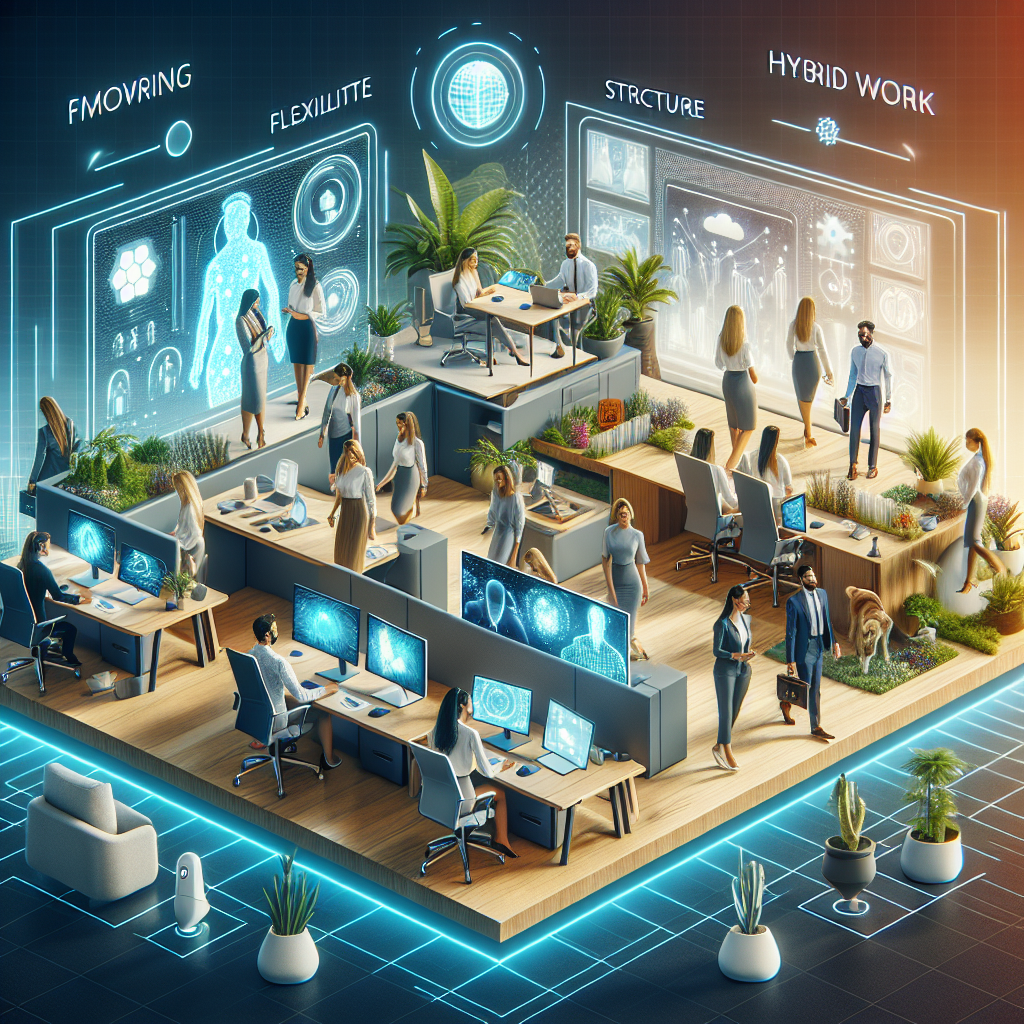
Mastering the Hybrid Work Model: Achieving Seamless Flexibility and Structure in 2025

Imagine you wake up, brew your favorite cup of coffee, and settle into your cozy armchair instead of rushing through traffic. Sounds dreamy, right? But as someone who’s navigated the waters of remote and in-office work, I know that the hybrid work model isn’t just about lounging in your PJs. It’s a balancing act—think of it as a delicate dance between flexibility and structure, and by 2025, we’ll need our best moves.
The pandemic forced us into a virtual world, flipping the switch on how we viewed work. And while we didn’t magically become productivity wizards overnight, we did learn a ton about ourselves and our workplaces. Take Sarah, a project manager at a tech startup. In 2023, she found herself straddling both worlds—half the week at the office, half from her home. It didn’t take long for her to discover the best of both formats: the spontaneous brainstorming that happens over lunch in the office and the uninterrupted deep work that comes with staying at home. But here’s the kicker—marrying these two experiences required mindfulness. Time management in a hybrid setup is less about clock-watching and more about intention.
With technology evolving faster than you can say "digital transformation," the tools to support this balance are increasingly robust. Think of platforms like Notion or Airtable. They’re not just project management tools; they’re digital ecosystems that allow teams to collaborate visually while maintaining structure. Teams can define who finds what where and set guidelines without the need to micromanage. Picture a digital whiteboard that everyone can access, edit, and review in real-time—this is the kind of synergy that can cultivate better team dynamics.
So, what does this all mean for leaders and colleagues trembling at the thought of a flexible work model? First, mindset is everything. Moving away from “face time” doesn’t mean you lose accountability. It’s about crafting an environment where results trump hours logged. For instance, consider Google’s famous 20% time, where employees spend a fifth of their hours on personal projects. It’s no surprise that Gmail and Google Maps emerged from this initiative. This model propels innovation while allowing employees to juggle personal and professional goals—a win-win.
Another takeaway revolves around culture. Hybrid work isn’t a set-it-and-forget-it solution; it’s a continual evolution. Regular team check-ins to calibrate expectations, share wins, and address bottlenecks foster an environment of inclusivity and support. You’re not just coworkers but a community, navigating the chaos of deadlines together. Support goes both ways, after all.
Lastly, I hope it’s clear that the hybrid model is an outline, not a script. Leaders should guide but empower teams to find their rhythm. Encourage individuals to carve out their spaces—designate work hours, dress up (or not), or create ritualistic breaks that break up the day. When we acknowledge personal preferences, we build a culture of trust.
By 2025, it’s evident that the landscape of work will have undergone further significant shifts. As we reflect on our hybrid journeys, the goal should be more than just fitting everyone into a box. It’s about creating a space where both personal and collective success intertwine. As we embark on this hybrid adventure together, remember: it’s not just about finding balance; it’s about creating a work experience that resonates with authenticity, adaptability, and a sprinkle of joy. So let’s step into the future with open minds and an agile spirit—after all, the dance floor is much more rewarding if everyone knows the steps.
Author Profile
Sanjeev Sarma is an IT enthusiast and Chief Software Architect at Webx Technologies Private Limited, where he navigates the ever-evolving world of technology, entrepreneurship, and cybersecurity. With a knack for turning complex ideas into relatable insights, Sanjeev blends curiosity and grounded knowledge, offering fresh perspectives on the intersection of tech and daily life. When he’s not orchestrating innovative software solutions, you might find him exploring the natural beauty of Northeast India.