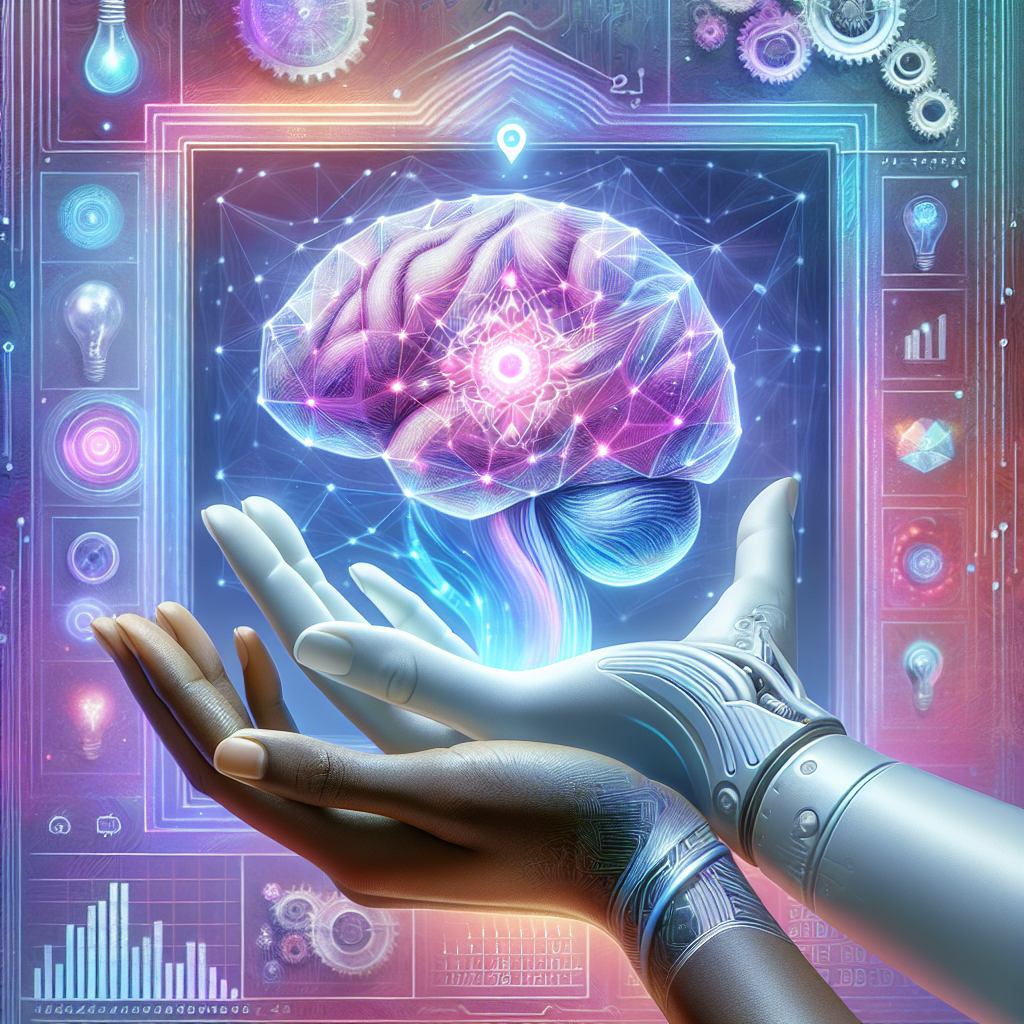
Harnessing AI Innovation: Ethical Strategies for a Responsible 2023

In the bustling marketplace of ideas today, artificial intelligence stands as the flashy storefront that draws us in, promising innovation that can reshape everything from decision-making to creativity. Yet, as we step over the threshold, eager to explore the wonders within, we find ourselves faced with a question that’s as old as time: at what cost? 2023 has ushered in not just advancements in AI, but also a reckoning—a moment where we need to pause and consider not just the “what” of AI but the “why” and “how.”
Take, for instance, the recent uproar around generative AI. Remember when AI art blew up on platforms like Instagram and TikTok? At first, it felt magical. Artists were discovering new mediums, and hobbyists were dabbling in creativity previously confined to minds and hands. But soon, headlines featured those same artists, both established and emerging, grappling with the implications of having their styles and works replicated—or even monetized—by AI with little regard for their human counterpart’s rights.
We stand at this intersection where innovation is a wild stallion galloping ahead while ethics hitches a ride trying to keep up. It’s a thrilling chase, but if we’re not careful, that stallion could kick up dust that obscures our vision. Are we prioritizing progress over principles?
This dilemma manifests in the core of many industries. Look at healthcare, where AI algorithms analyze vast datasets to recommend treatments. It’s astounding how technology can assist doctors by providing insights that human minds could take years to dissect. But what if those algorithms were trained on biased data? What happens when machine decision-making influences a surgeon’s choices based on flawed learning? The stakes are high, and so are the questions we need to be asking.
Here’s what this means for those of us riding the tech wave: Firstly, staying informed is non-negotiable. Regularly engaging with credible sources lets us question how AI evolves in our daily lives. A curated feed of reputable tech newsletters, podcasts, or even local workshops can be enlightening.
Secondly, let’s focus on collaboration—because technology isn’t built in silos. Think of tech geeks teaming up with ethicists and sociologists to create frameworks that not only push boundaries but also uphold values. Much like the ecosystem of a healthy forest, innovation flourishes best when a diverse range of voices contributes to the discourse.
Lastly, we should all embrace a mindset that embraces imperfection. Achieving a balance between cutting-edge tech and ethical considerations will not happen overnight. We’re navigating uncharted waters, and while we may stumble, acknowledging our missteps creates space for growth. This isn’t just about building better AI; it’s about nurturing a responsible tech culture where our humanity takes center stage.
As we sprint towards AI’s exhilarating frontier, let’s not let it run wild unchecked. We have the power to forge a future where tech enhances life without undermining our values. Like that classic saying goes, "With great power comes great responsibility," but I think it’s worth adding a twist: “With great innovation comes even greater ethical obligation.”
So, buckle up; the ride might be bumpy, but the destination—a world where technology and ethics walk hand in hand—is worth every twist and turn. It’s an open road, and the steering wheel is in our hands. How we choose to navigate it will define not just the future of AI, but our very humanity.
Author Profile
Sanjeev Sarma is the Director of Software Services and Chief Software Architect at Webx Technologies Private Limited. An IT enthusiast and emerging thought leader from Northeast India, Sanjeev blends curiosity with insight, exploring the dynamic intersection of technology and daily life. He’s passionate about making complex tech topics relatable and fostering meaningful conversations around innovation and ethics.