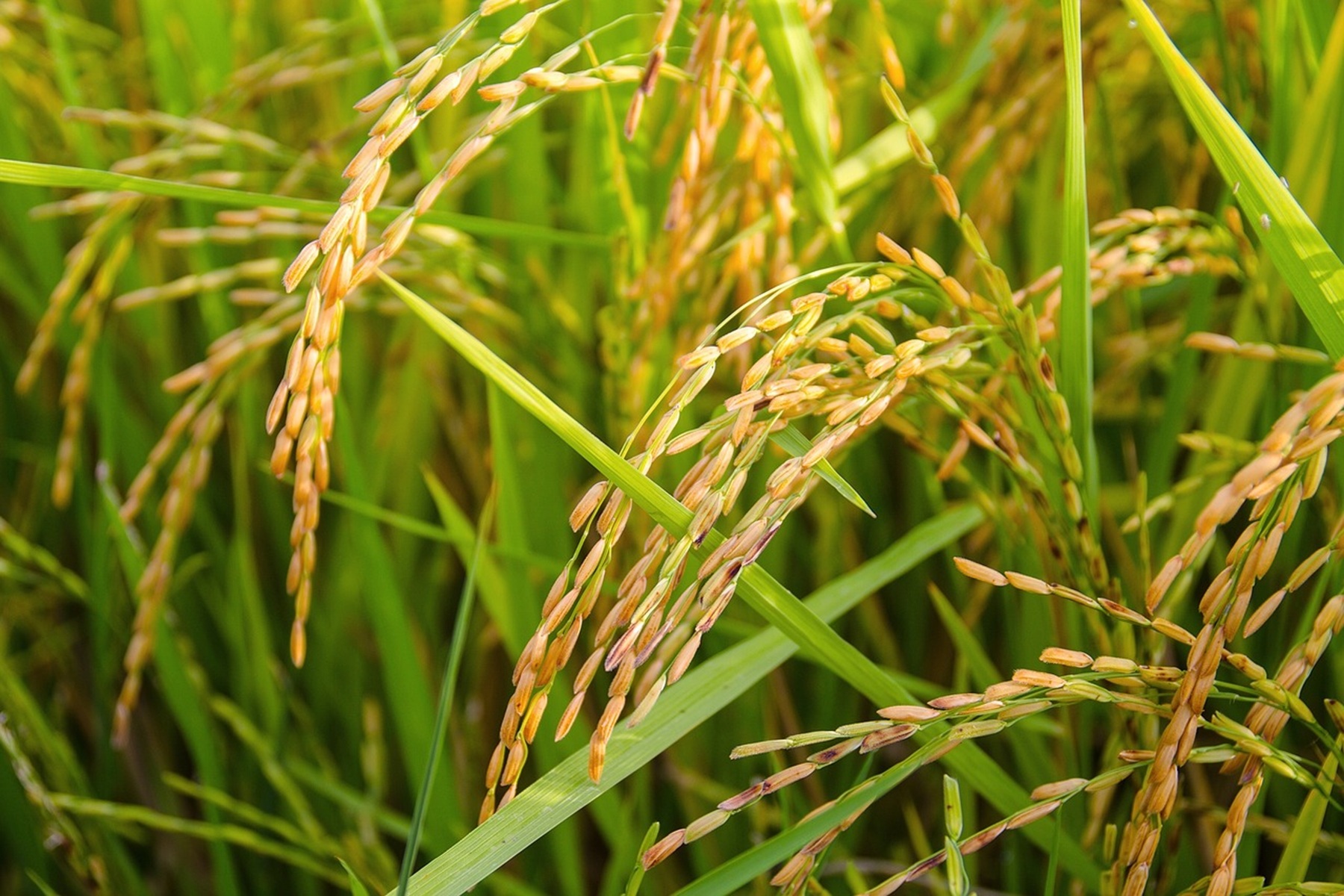

New Delhi: The Indian government’s recent approval of commercial releases for two genome-edited rice varieties—Kamala (DRR Dhan 100) and Pusa DST Rice 1—has sparked significant backlash from civil society organizations and the scientific community. Critics are particularly concerned about the decision to forgo mandatory safety testing, viewing it as a dangerous step away from established regulatory norms.
The Coalition for a GM-Free India has vocalized its concerns, accusing the government of sidestepping crucial guidelines by exempting SDN-1 and SDN-2 gene editing techniques from genetic engineering oversight. These methods were employed in the development of the new rice varieties, which are touted to offer traits such as drought resistance and enhanced yield.
According to the coalition, this deregulation contradicts provisions set forth in the Environment Protection Act of 1986, which categorizes gene editing within the ambit of genetic engineering. They are demanding the immediate withdrawal of these rice varieties, highlighting potential health, environmental, and legal ramifications. “Gene editing is being falsely promoted as precise and risk-free,” the coalition stated. “In reality, scientific studies indicate it can lead to unintended genetic mutations that may have toxic or allergenic impacts.”
Concerns extend beyond health risks; the coalition has also raised alarms about insufficient transparency regarding intellectual property rights associated with these new rice varieties. This lack of clarity poses threats to seed sovereignty and biodiversity. India is recognized as a global hub for rice diversity, leading experts to warn that the premature introduction of genetically altered strains could jeopardize traditional gene pools essential for climate adaptation and food security.
As public outcry grows, the government has yet to respond to demands for thorough disclosure of safety data and the regulatory framework behind its decisions. This controversy reignites ongoing debates about India’s biotech policies, with critics advocating for a precautionary approach to emerging gene technologies.
The implications of this decision are substantial not just for agriculture in India but also for the larger discourse on genetic engineering and food safety. Activists argue the government must prioritize public health and environmental sustainability over technological advancement, which could have unforeseen consequences on both human health and ecological balance.
As the situation unfolds, it remains clear that the intersection of science, policy, and public interest will continue to complicate India’s journey into the realm of genetic modification. The validity of these claims and concerns will likely shape future discussions surrounding biotechnology in India and beyond.
Original Source: https://nenews.in/business/release-of-genome-edited-rice-sparks-legal-and-safety-concerns/24739/
Category : Business,Civil society,Criticism,Genome-edited rice,India,Release
Tags:
Publish Date: 2025-05-05 20:42:00