Bengal Governor Sounds Alarm on Militancy and Radicalization in Urgent Murshidabad Report

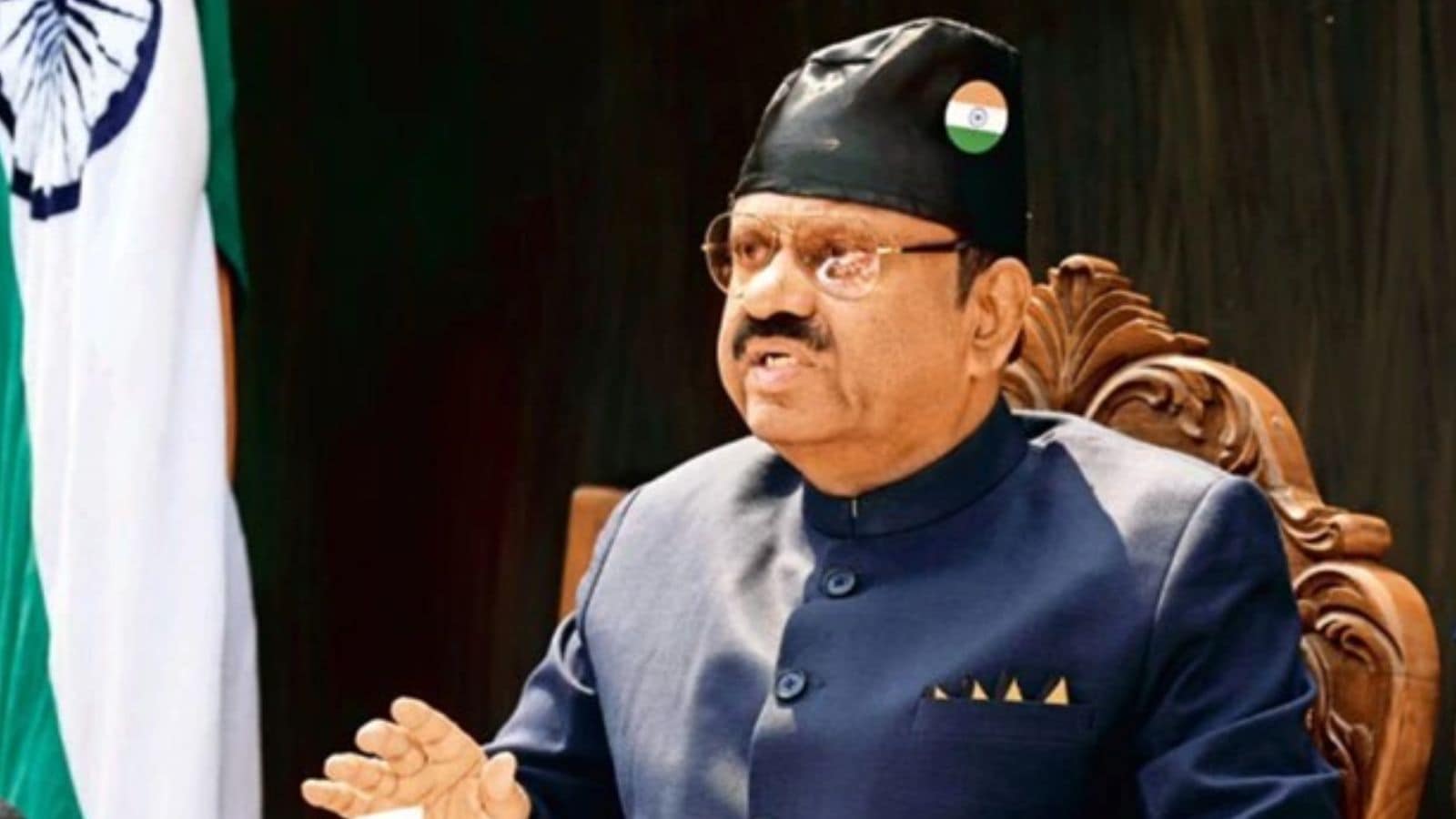
West Bengal Governor C.V. Ananda Bose has presented a report to Union Home Minister Amit Shah addressing the recent communal violence in Murshidabad, which left three dead on April 11. The governor criticized the state police’s shortcomings and recommended a commission of inquiry into the incident. Notably, he underscored the risks posed by radicalization and militancy, particularly in districts like Murshidabad and Malda that border Bangladesh.
The violence erupted shortly after the implementation of a new Waqf law. According to the governor’s report, one victim was killed in police firing, while two others fell victim to mob violence. In his assessment, Bose emphasized the long history of political violence in West Bengal and the spillover effects the Murshidabad incident could have on other areas. He urged the Government of India to consider constitutional measures to bolster the rule of law and reassure citizens.
Among his recommendations, Bosely proposed crafting overarching legislation to empower the central government to maintain law and order when state forces are unable to act decisively. He also called for the establishment of central and Border Security Force (BSF) outposts in vulnerable districts near the international border, stating that this would enhance security in the region.
Addressing the issue of radical Islamic groups attempting to mobilize support by invoking a narrative of “Islam in danger,” he pointed out that the dual threats of radicalization and militancy represent significant challenges to West Bengal, especially in districts where Muslims form the majority. He highlighted disturbing demographic trends in Murshidabad and Malda, warning that increasing communal polarization could exacerbate local tensions.
Although the state government has made strides against organized ultra-Left militancy, Bose noted ongoing struggles regarding communal violence, sexual assault, and campus safety. His report suggests that the local administration’s failures in handling the crisis were both a result of inadequate coordination and either incapacity or reluctance to address emerging threats.
In a related development, Chief Minister Mamata Banerjee is expected to visit Murshidabad for the first time since the unrest. The governor also raised concerns regarding illegal infiltration from Bangladesh, suggesting that the ongoing political unrest there has led to attempts at migration into West Bengal. He called for a thorough assessment and completion of the international border fencing to prevent further issues.
Bose stated that the violence seemed “premeditated” and that the state government was “aware of the imminent build-up of a threat to law and order.” He criticized the lack of coordination among administrative and law enforcement agencies, describing their response as both weak and hesitant.
Responding to the governor’s remarks, Trinamool Congress (TMC) spokesperson Jay Prakash Majumder accused Bose of acting as a pro-BJP mouthpiece aimed at undermining the state government. He asserted that any attempt by the central government to exert control over West Bengal would be resisted both legally and by the populace.
In summary, Governor Bose’s report shines a light on significant governance challenges in West Bengal and calls for urgent action and legislative measures to restore confidence in the rule of law while addressing national security concerns.
Original Source: https://indianexpress.com/article/cities/kolkata/bengal-governor-flags-twin-spectre-of-militancy-radicalisation-in-his-murshidabad-report-9981292/
Category : Cities,Kolkata
Tags:
Publish Date: 2025-05-04 02:20:00