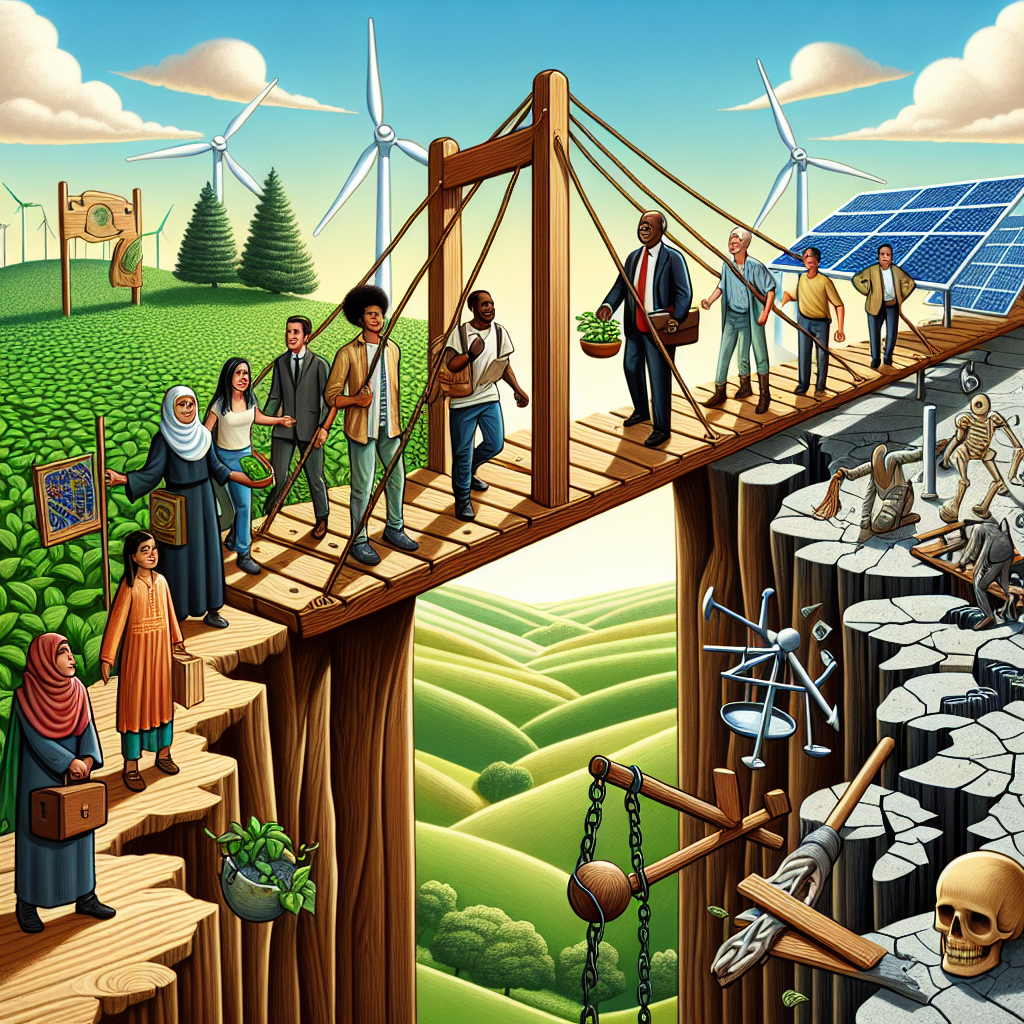

Bridging the Gap: How Climate Justice Addresses Inequality
In an increasingly interconnected world, the impact of climate change reveals a stark truth: not everyone bears the burden equally. The concept of climate justice emerges as a crucial framework for addressing the environmental challenges we face while simultaneously tackling social and economic inequalities. At its core, climate justice recognizes that marginalized communities—whether defined by race, economic status, or geographical location—are often the first to experience the devastating effects of climate change, despite contributing the least to its causes. This multidimensional approach not only seeks to combat environmental degradation but also strives to uplift those who have historically been sidelined.
One of the most pressing examples of climate justice in action is the fight against extreme weather events. In the United States, communities of color and low-income neighborhoods were disproportionately affected by Hurricane Katrina in 2005. Despite being located in vulnerable areas, many residents lacked the resources to evacuate or recover, illustrating a systemic neglect that echoes through history. Fast forward to recent events like Hurricane Ida in 2021, communities across Louisiana again faced dire consequences, reflecting persistent vulnerabilities. However, through grassroots organizations advocating for climate justice, such as the Louisiana Bucket Brigade, residents are taking action to hold corporations accountable, pushing for better infrastructure, and demanding equitable recovery efforts.
Internationally, climate justice manifests through state-level agreements and the work of organizations like the United Nations Framework Convention on Climate Change (UNFCCC). Recent discussions surrounding the Global Climate Fund highlight how wealthier nations can support developing countries overwhelmed by climate threats. For instance, nations in the Global South often grapple with issues like deforestation, poor infrastructure, and limited access to technology, which amplify the effects of climate change. Through funding and technical support, developed nations have the opportunity to empower these vulnerable communities to adopt sustainable practices and enhance their resilience.
One key takeaway from these discussions is that addressing climate change must include meaningful participation from local communities in decision-making processes. A stunning example comes from community-led initiatives in India, where various rural villages have implemented their water conservation practices. By integrating indigenous knowledge and practices into modern water management techniques, these communities not only safeguard their environment but also ensure access to clean water—an essential resource that is becoming increasingly scarce due to climate change.
Moreover, addressing climate justice can bolster economic opportunities. The renewable energy sector is projected to grow significantly, creating millions of jobs. By prioritizing the inclusion of underrepresented groups in this industry, we can work towards breaking cycles of poverty while simultaneously combating climate change. Various programs, such as the Solar Power Initiative in California, aim to train economically disadvantaged populations for jobs in solar energy installation. This not only addresses environmental needs but also reflects a commitment to improving equity in employment opportunities.
With each step toward climate justice, businesses must also reassess their roles in addressing these inequalities. Corporate social responsibility (CSR) efforts can serve as a powerful means to bridge the gap, with companies investing in sustainable solutions that prioritize disadvantaged communities. For instance, Patagonia has been a leader in advocating for environmental causes while promoting social equity, illustrating that profitability and responsibility can go hand in hand. Companies that take proactive stances on climate justice will likely find long-term benefits, including customer loyalty and brand reputation.
As professionals in various fields—be it technology, health, or finance—we have the opportunity to champion climate justice. Whether through advocacy, education, or innovative solutions, our involvement can help reshape how society addresses the intertwined issues of climate change and inequality. By choosing to amplify marginalized voices and prioritize equitable outcomes, we can create a more just and sustainable future.
So, let’s embrace the challenge. Recognizing that climate justice is not simply a niche issue but a collective responsibility will serve as a stepping stone toward achieving a brighter, more equitable future for all. Engaging in this dialogue not only empowers those affected but also enriches our understanding of the intricate relationship between our environment and social structures. Together, we can bridge the gap and inspire lasting change.