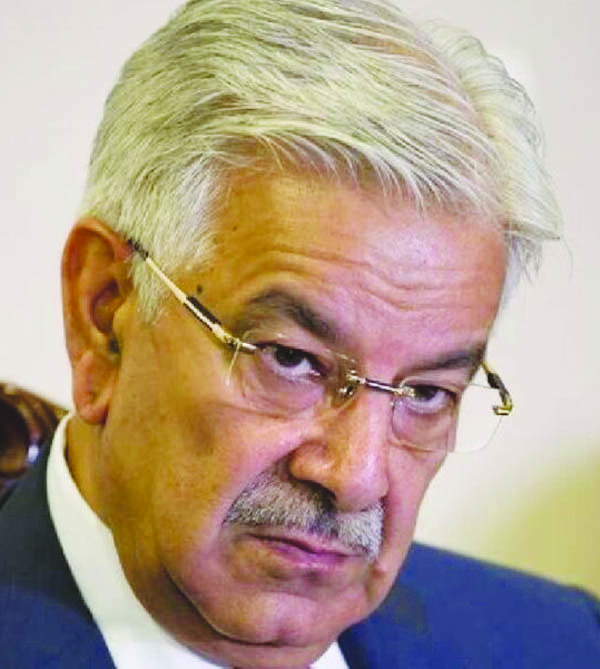

In a candid interview with Sky News, Pakistan’s Defense Minister Khawaja Asif acknowledged the country’s long-standing history of involvement with terrorist organizations, describing it as “dirty work” primarily conducted on behalf of Western powers, including the United States. This admission comes in the wake of a recent terrorist attack in Pahalgam, which claimed 26 lives, the deadliest incident in the region since 2019. Asif’s remarks are seen as a rare public admission of guilt emphasizing Pakistan’s role in geopolitical conflicts spanning several decades.
During the interview, news presenter Yalda Hakim pressed Asif on Pakistan’s previous support for terrorist organizations, to which Asif responded, “Well, we have been doing this dirty work for the United States for about three decades, you know, and the West, including Britain.” He expressed regret, stating that Pakistan has suffered as a result of these actions. Asif elaborated on the mistakes of past Pakistani governments, particularly highlighting Pakistan’s involvement in the war against the Soviet Union and later in the post-9/11 conflicts, suggesting that these decisions tarnished Pakistan’s previously unimpeachable track record.
Addressing accusations aimed at Pakistan for the Pahalgam attack—perpetrated by The Resistance Front, an affiliate of the banned Lashkar-e-Taiba group—Asif disputed the allegations. He claimed Lashkar-e-Taiba no longer operates within Pakistan, challenging the notion that an offshoot could emerge if the central organization has ceased to exist. Amid growing tensions, Asif asserted that Pakistan is ready to retaliate if provoked by India, promising a “measured response” corresponding to any Indian escalation, stating, “If there is an all-out attack, then obviously there will be an all-out war.”
The violent incident in Pahalgam, which targeted predominantly tourists, has heightened regional tensions, drawing international attention once more to the longstanding conflict between India and Pakistan. The Resistance Front, having claimed the attack, has spotlighted lingering security concerns connected to extremist groups historically linked to Pakistan. Despite Asif’s claims of organizational extinction, the specter of Lashkar-e-Taiba’s legacy continues to loom large in the diplomatic exchanges between the neighboring nations.
This interview marks a significant moment, reflecting Pakistan’s acknowledgment of past strategic errors while highlighting ongoing geopolitical complexities. As the global community observes these developments, the conversation around Pakistan’s pivotal role in regional security and its past affiliations with Western powers underscores the intricate tapestry of international relations and counter-terrorism efforts in South Asia. The Defense Minister’s admission might well be a step towards redefining Pakistan’s future diplomatic and security policies, striving for a more transparent and accountable approach in dealing with past and present challenges.
The evolving dynamics in South Asia, compounded by historical alliances and missteps, remain a critical focus for international observers. As Pakistan navigates its place amidst regional unrest and global scrutiny, Asif’s statements could potentially signal a shift in how the country intends to manage both its internal and external affiliations moving forward. “We will measure our response to whatever is initiated by India,” Asif asserted, indicating the precarious balance Pakistan seeks to maintain while contending with its past.
Original Source: https://theshillongtimes.com/2025/04/26/pakistan-admits-to-funding-trained-terrorists/
Category : INTERNATIONAL
Tags:
Publish Date: 2025-04-26 03:35:00