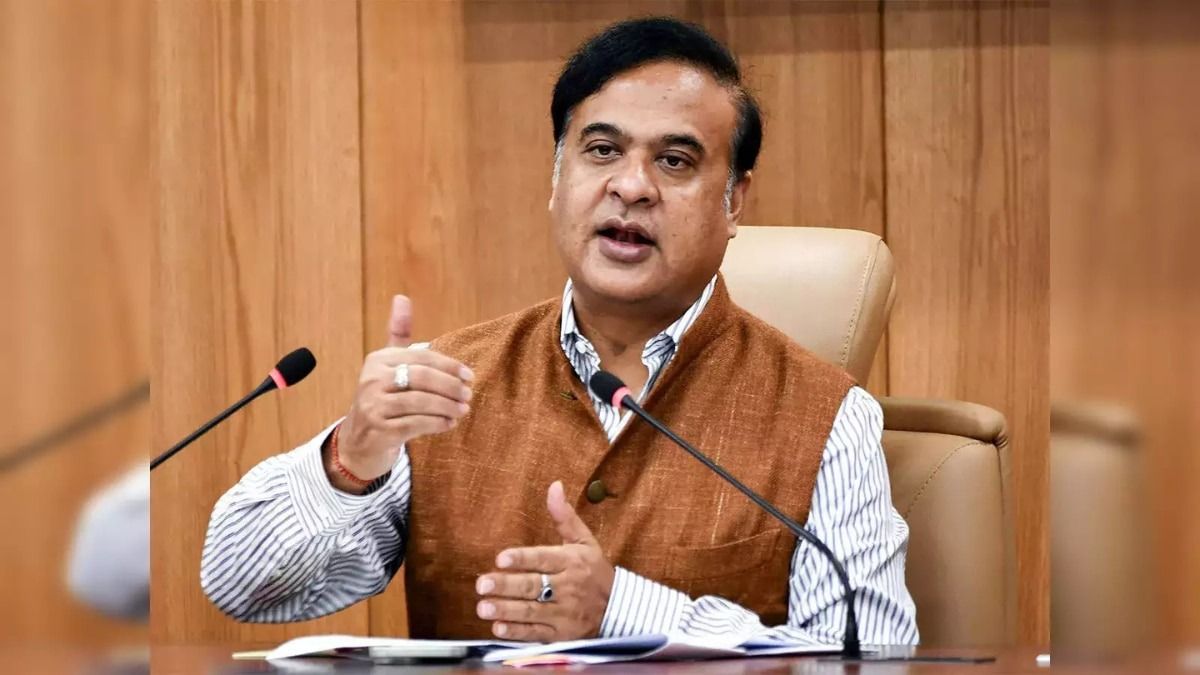

Assam Chief Minister Himanta Biswa Sarma has offered a firm endorsement of India’s recent decision to suspend the Indus Waters Treaty with Pakistan, portraying it as a strategic stance against cross-border terrorism. The suspension has been framed as a decisive action to reinforce India’s national security, reflecting an increasingly assertive foreign policy posture in response to threats from Pakistan. Speaking through his social media platform on April 24, Sarma emphasized, “A beginning has been made, Bharat will take it to its logical conclusion. Pakistan must understand that this is the New India.” By calling the suspension a “calibrated, lawful, and strategic measure,” Sarma underscored its intent to hold Pakistan accountable for its alleged involvement in supporting terrorism.
The suspension was announced on April 23, following a catastrophic terror attack in Pahalgam’s Baisaran Valley, which resulted in the death of 26 people and injuries to over 20 others. Victims of the attack included tourists from across Indian states, international visitors from Nepal and the UAE, in addition to two local inhabitants. The attack has intensified the discourse on regional security, highlighting the persistent threat of terrorism.
In the aftermath, security agencies have pinpointed three suspects, with evidence suggesting the attack was orchestrated by Saifullah Khalid. Khalid, identified as the deputy chief of the terror organization Lashkar-e-Taiba, allegedly operates from Pakistani soil, solidifying Indian allegations of Pakistan’s recurrent role in fostering terrorism. This act of aggression has catalyzed high-level security deliberations across Srinagar and New Delhi, as authorities strategize on strengthening the country’s national security framework.
Sarma’s comments align with the broader narrative of India’s evolving diplomatic stance, characterized by enhanced assertiveness where water security has now been directly linked to national security objectives. This new paradigm, according to Sarma, signifies the “beginning of a new chapter” in how India engages with its neighbors, particularly Pakistan.
The Indus Waters Treaty, a long-standing agreement brokered in the 1960s, historically facilitated water-sharing arrangements between India and Pakistan. However, recent geopolitical tensions and cross-border conflicts have led to a re-evaluation of such agreements under the aegis of India’s national interest policies.
In the digital age, the suspension of the treaty and the strong rhetoric accompanying it have captured the attention of both national and international audiences. The situation has not only invoked concerns over regional stability but has also spotlighted India’s robust response to perceived threats. Search interest around the Indus Waters Treaty and its implications continues to trend, indicative of the ongoing global concern regarding South Asian geopolitical dynamics.
Amid escalating tensions, India is set to navigate these complex waters with fortified resolve, seeking to leverage strategic resources as instruments of national security and diplomatic pressure. This policy shift is poised to redefine regional interactions, setting the tone for future discourse on bilateral relations and counterterrorism measures.
As developments unfold, stakeholders and observers across the globe remain vigilant, tracking the situation’s evolution and its broader implications for India-Pakistan relations. The emphasis now lies not only on immediate diplomatic maneuvers but also on sustainable strategies to ensure peace and stability in the region.
Original Source: https://www.indiatodayne.in/assam/story/bharat-strikes-back-assam-cm-lauds-indias-suspension-of-indus-waters-treaty-1203701-2025-04-24?utm_source=rssfeed
Category :
Tags:
Publish Date: 2025-04-24 10:53:00