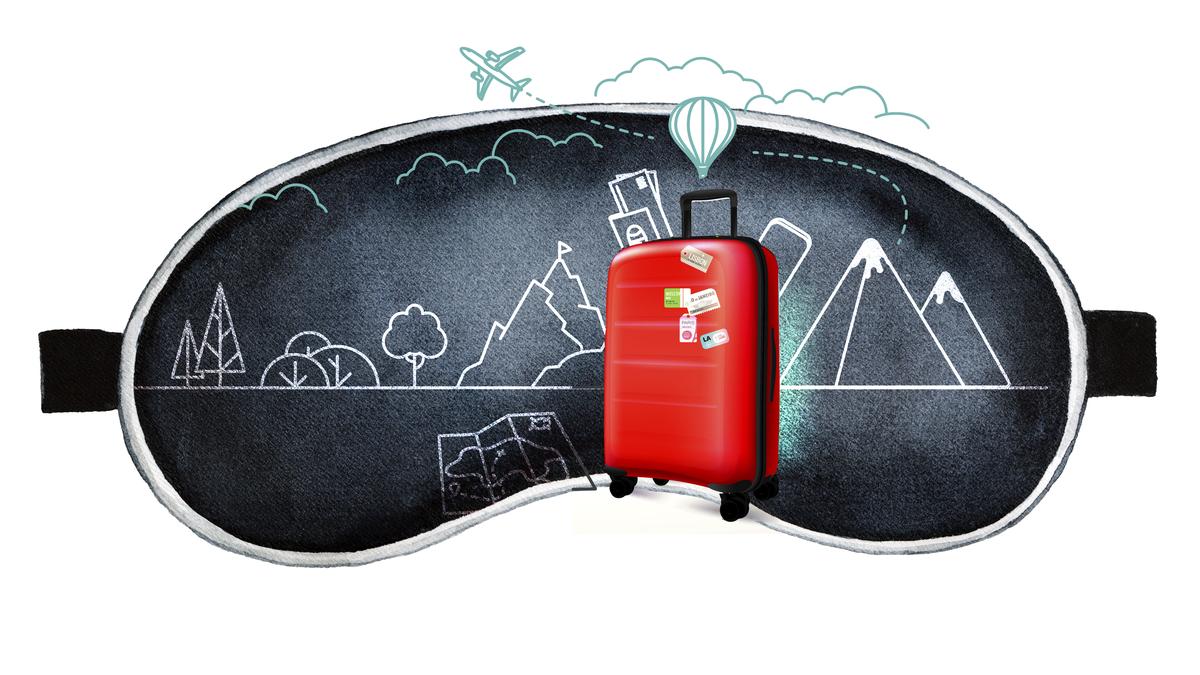

In today’s fast-paced world, sleep tourism is emerging as one of the hottest trends in the travel industry. Travelers are increasingly prioritizing rest and rejuvenation on their vacations, diving into experiences that promise an escape from sleep deprivation. The global sleep tourism market is on a meteoric rise, with projections suggesting it will surpass the USD 1 trillion mark by 2025, according to a Grand View Research report. This trend is mirrored in India, where wellness tourism, with a focus on sleep, is gaining traction among 57% of travelers, as highlighted by Skyscanner’s Travel Trends 2025 report.
The roots of this movement lie in the growing awareness of sleep’s critical role in overall well-being. Stress and lack of sleep are common problems for many, with a 2025 LocalCircles survey revealing that nearly 60% of Indians manage less than six hours of sleep each night. This sleep deficit is closely linked to a range of health issues, motivating holiday-goers to seek out vacations centered around restorative sleep practices.
Wellness retreats are crafting bespoke sleep experiences that combine traditional and modern therapies. Rajesh Srinivas, the general manager of Swastik Luxury Wellbeing Sanctuary in Pune, discusses their dedicated program, “The Art of Restorative Sleep,” which offers sleep assessments and practices like yoga nidra, meditation, and personalized diets rich in sleep-promoting nutrients. He emphasizes helping guests establish a healthy sleep routine to continue at home.
Travelers like Sayali Sancheti have found relief from insomnia at these retreats. A participant in Swastik’s program, she reports significant improvement thanks to techniques like aerial yoga and focused breathing, which she continues to practice at home. Meanwhile, individuals like Natasha Sharma are drawn to the concept of a “napcation,” despite not suffering from chronic sleep issues, seeking better sleep hygiene and relaxation.
The impact of sleep, or the lack thereof, extends beyond individual health. It affects interpersonal relationships, with some couples adopting “sleep divorces” — a practice of sleeping separately to ensure better rest. Dr. Minnu Bhonsle, a consulting psychotherapist, considers this an effective solution, despite societal stigma, highlighting that many relationships benefit from such arrangements.
Some resorts offer sleep-focused travel experiences, like Six Senses Fort Barwara in Rajasthan, which aligns its offerings with the global “Sleep with Six Senses” program. Services range from sleep assessments to therapeutic activities such as sound healing and aromatherapy, appealing to those seeking an indulgent, restful vacation. Additionally, luxury chains like The Westin have pioneered sleep programs featuring technology-enhanced sleeping arrangements that cater to guests seeking optimal rest.
However, embarking on a napcation can be expensive, with programs costing several lakhs of rupees. Despite this, Kumaar Bagrodia, a neuroscientist, argues that sleep tourism is more than about just sleep; it encompasses the complete rejuvenating experience these destinations offer, including the surrounding environment, holistic therapies, and personalized care.
As the demand for wellness and sleep tourism continues to soar, it’s clear that travelers are eager to invest in their well-being, seeking solace and restoration in holidays designed to meet their sleep needs. This travel trend not only highlights a shift in how vacations are perceived but also underscores the burgeoning recognition of sleep as an essential element of overall health and well-being.
Original Source: https://www.thehindu.com/life-and-style/travel/sleep-tourism-napcation-sleep-holidays-india-insomnia-sleep-divorce/article69430137.ece
Category : Travel
Tags:
Publish Date: 2025-04-11 14:53:00