Iran’s Diplomatic Ultimatum: Direct Talks with US Blocked, Demanding Unlikely Mediator Steps In

Iran Defies US Diplomatic Overtures, Warns Neighbors of Consequences
Tensions between Iran and the United States have escalated as Iran has refused to engage in direct talks with the US regarding its nuclear program. In a statement, a senior Iranian official indicated that the country will not negotiate under any pressure from the US, instead opting to continue indirect talks with the US through Oman, a neutral channel for messages between rival countries.
The official stated that indirect talks provide an opportunity to assess Washington’s seriousness about a political solution with Iran, despite acknowledging that this path may be "difficult." However, if US messages support it, the talks could start soon.
Iran has issued a warning to neighboring countries hosting US military bases, including Iraq, Kuwait, the UAE, Qatar, Turkey, and Bahrain, that any support for an American attack on Iran will be considered a hostile act, with "serious consequences." The official further emphasized that Iran’s armed forces have been placed on high alert by Supreme Leader Ayatollah Ali Khamenei.
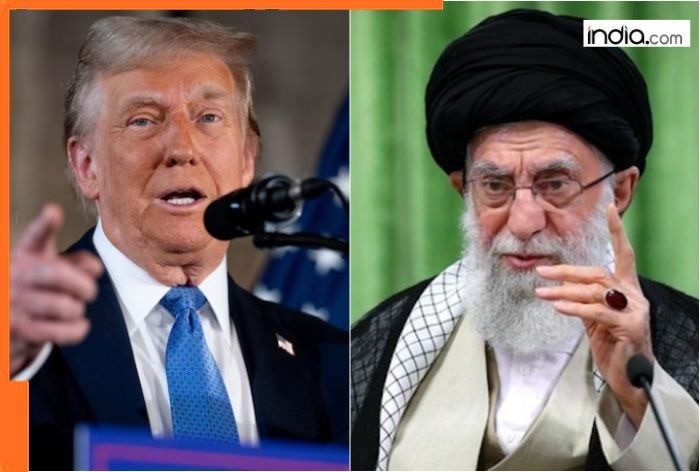
The warning was issued in response to US President Donald Trump’s letter, in which he urged Iran to engage in direct talks and threatened military action if negotiations do not commence. Trump’s warnings have heightened tensions in the region, which is already experiencing open warfare in Gaza and Lebanon, military attacks in Yemen, regime change in Syria, and Israeli-Iranian clashes.
The potential for a wide-ranging regional conflict has destabilized the states around the Gulf, a key body of water bordering Iran and US-allied Arab monarchies that carry a significant portion of the global oil supply. The situation has garnered international attention, with Russia calling for restraint and announcing its opposition to American threats of military attacks against the Islamic Republic.
Russia’s Foreign Ministry stated that American threats are "unacceptable" and urged calm, while Kuwait has assured Iran that it will not tolerate any aggressive actions directed against other countries from its territory. Amidst the ongoing tensions, neighboring countries have remained cautious, with spokespersons for the governments of Iraq, the UAE, Qatar, and Bahrain not responding to requests for comment.
The situation is further complicated by the presence of US military bases in the region, which could become targets if Iran decides to retaliate. The threat of military confrontation has sent shockwaves through global markets, raising concerns about the potential for a wider conflict that could have far-reaching consequences for international relations and global stability.
As the situation continues to unfold, one thing is clear: Iran’s refusal to engage in direct talks and its warnings to neighboring countries have significantly escalated tensions in the region, leaving the world on high alert for a potential escalation.
Original Source: https://www.india.com/news/world/iran-refuses-talk-directly-to-us-asks-this-country-mediate-not-jordan-qatar-uae-egypt-tehran-donald-trump-oman-iraq-turkey-gaza-lebanon-7737143/
Category : World,egypt,Iran,Qatar,US Iran conflict,USA
Tags:
Publish Date: 2025-04-07 01:44:00