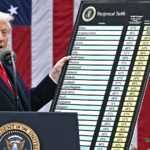

US President Donald Trump has announced a range of reciprocal tariffs against several major economies, including India. The tariffs, which are set to take effect in the coming months, have sparked concerns about the potential impact on Indian exports to the US.
India’s exposure to US tariffs is relatively limited, with exports to the US valued at just 2.2% of its GDP. However, several sectors could face significant risks from the tariffs, including chemicals, metal products, and jewelry. Indian exports of pearls, gems, and jewelry to the US are valued at $8.5 billion, while pharmaceuticals contribute $8 billion to the country’s exports.
Trump’s reciprocal tariffs are intended to equalize the playing field with regard to trade, with the US imposing tariffs on goods from countries that it claims have been unfairly shielding their industries from US competition. The tariffs range from 10% to 34%, depending on the country and the product.
While India is not expected to be significantly affected by the tariffs, there are concerns about the potential impact on certain sectors. The country’s pharmaceutical exports, for example, could face a 24.99% tariff difference under the proposed tariffs. This could make Indian products less competitive in the US market, potentially leading to a reduction in exports.
India is also exposed to indirect risks from the tariffs, including potential supply chain disruptions and increased import costs. The country’s reliance on imported energy, machinery, and sophisticated components means that it could be vulnerable to price shocks if global trade tensions escalate.
Despite these risks, India is likely to benefit from the tariffs in the short term. The country’s “Make in India” program aims to promote local manufacturing and increase the country’s share of global trade. The tariffs could provide an opportunity for Indian companies to supply goods to US buyers that are looking for alternative suppliers to Chinese companies.
However, the benefits of the tariffs are likely to be limited and temporary. Global trade tensions are expected to continue to escalate, and the US-China trade war is likely to have a broader impact on the global economy. India’s ability to capitalize on the tariffs will depend on its ability to diversify its exports and develop new trade relationships.
The Indian government is preparing for the tariffs by developing a comprehensive strategy to strengthen economic ties with the US. The country is evaluating several scenarios to understand the potential impact of the tariffs and is working to strengthen its trade relationships with other countries. The government is also providing support to Indian companies that are affected by the tariffs, including offering incentives to firms that increase their production and exports.
In conclusion, while India is likely to be relatively insulated from the impact of Trump’s reciprocal tariffs, there are still significant risks to navigate. The country’s ability to capitalize on the tariffs will depend on its ability to diversify its exports and develop new trade relationships. The Indian government’s comprehensive strategy to strengthen economic ties with the US is expected to help mitigate the risks and capitalize on the opportunities presented by the tariffs.
Original Source: https://timesofindia.indiatimes.com/business/india-business/donald-trump-tariffs-impact-on-india-explained-united-states-reciprocal-tariffs-sector-wise-analysis-trade-deal/articleshow/119917017.cms
Category :
Tags:
Publish Date: 2025-04-03 03:30:00