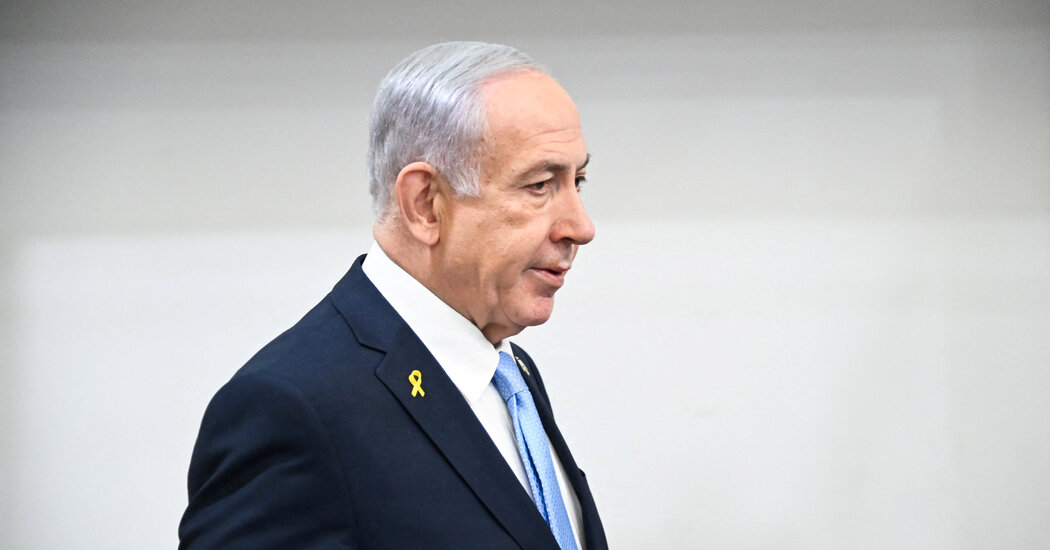

Israeli Prime Minister Benjamin Netanyahu commenced a visit to Hungary on Thursday, highlighting a diplomatic engagement shrouded in controversy due to an outstanding arrest warrant from the International Criminal Court (ICC). The warrant, issued in November, accuses Netanyahu and his former defense minister, Yoav Gallant, of committing war crimes and crimes against humanity in the Gaza Strip, a significant blow to Israel’s international reputation. This trip marks Netanyahu’s first visit to a nation that acknowledges the ICC’s jurisdiction but, guided by Hungary’s nationalist policies under Prime Minister Viktor Orban, no arrest action is anticipated.
Orban’s government has openly dismissed the treaty obligations of the ICC, signaling a stark defiance of the court’s authority. Following the issue of the arrest warrant, Orban assured Netanyahu that Hungary would not enforce the ICC’s ruling, emphasizing a shared sentiment against foreign judicial intervention in national sovereignty. This visit offers Netanyahu an opportunity to project resilience amid domestic and international criticism, particularly as Israel faces intensified scrutiny over its military actions in Gaza.
For Hungary’s Orban, welcoming a controversial figure like Netanyahu not only amplifies his political stance but also seeks to rekindle ties with the United States, amidst recent neglect by President Trump’s administration. Both leaders, beset by internal challenges—Hungary grapples with high inflation and a burgeoning opposition while Netanyahu battles legal troubles and domestic dissent—stand in defiance of external judgments from bodies like the ICC. Amnesty International condemned the Hungarian invitation as a “cynical effort to undermine” the court, viewing it as an affront to victims seeking justice.
Trump, maintaining a critical stance against the ICC, even imposed sanctions on the organization in February, aiming to protect U.S. and Israeli interests from international legal actions deemed threatening. This aligns with Orban’s criticism of perceived overreach by European legal institutions against Hungary, striking a chord with Netanyahu’s arguments against the charges of bribery and fraud he faces in Israel, which he attributes to judicial overreach.
Despite Hungary being a signatory of the ICC founding treaty in 2001, Orban’s administration has never legislated the treaty’s integration into domestic law. Gergely Gulyas, Orban’s chief of staff, hinted at this legislative gap freeing Hungary from compliance, and stated that withdrawal from the court is under consideration without any concrete decision as yet.
The circumstances surrounding Netanyahu’s visit to Hungary serve not only as a geopolitical statement against multilateral legal bodies like the ICC but also illustrate an emerging axis of nationalist leaders pushing back against international law perceived as encroaching on national sovereignty. As both Netanyahu and Orban navigate their respective political landscapes, their alliance underscores a mutual ambition to assert domestic agendas over external judicial mandates.
This ongoing dynamic between national and international legal expectations remains a critical narrative in Israel-Gaza relations, international diplomacy, and the broader discourse on war crimes and accountability, with figures like Netanyahu, Orban, and Trump at its forefront.
Original Source: https://www.nytimes.com/2025/04/02/world/middleeast/netanyahu-hungary-orban.html
Category : Israel-Gaza War (2023- ),International Relations,War Crimes, Genocide and Crimes Against Humanity,International Criminal Court,Netanyahu, Benjamin,Orban, Viktor,Trump, Donald J,Meloni, Giorgia (1977- ),Budapest (Hungary)
Tags:
Publish Date: 2025-04-03 10:02:00