
The pharmaceutical industry in Europe is bracing for potential ramifications as the U.S. under President Donald Trump appears poised to impose tariffs on drug imports. This move marks a significant shift, as pharmaceuticals have largely been exempt from trade levies. Following Trump’s confirmation that tariffs on the sector could soon be enacted, the industry is intensifying its lobbying efforts to advocate for a phased implementation. Such an approach would allow businesses time to mitigate the financial impact and adjust their manufacturing operations accordingly.
Insiders suggest that while these duties may not be officially announced immediately, their introduction seems unavoidable. The uncertainty has already sent ripples through the industry, impacting investment and market strategies. Ester Baiget, CEO of Danish biotech firm Novonesis, expressed concerns about the implications of such tariffs, emphasizing the disruption that uncertainty brings to innovation and investment. Her company, which garners approximately 30% of its sales from the U.S., is already enhancing its manufacturing capabilities stateside to adapt to this evolving landscape.
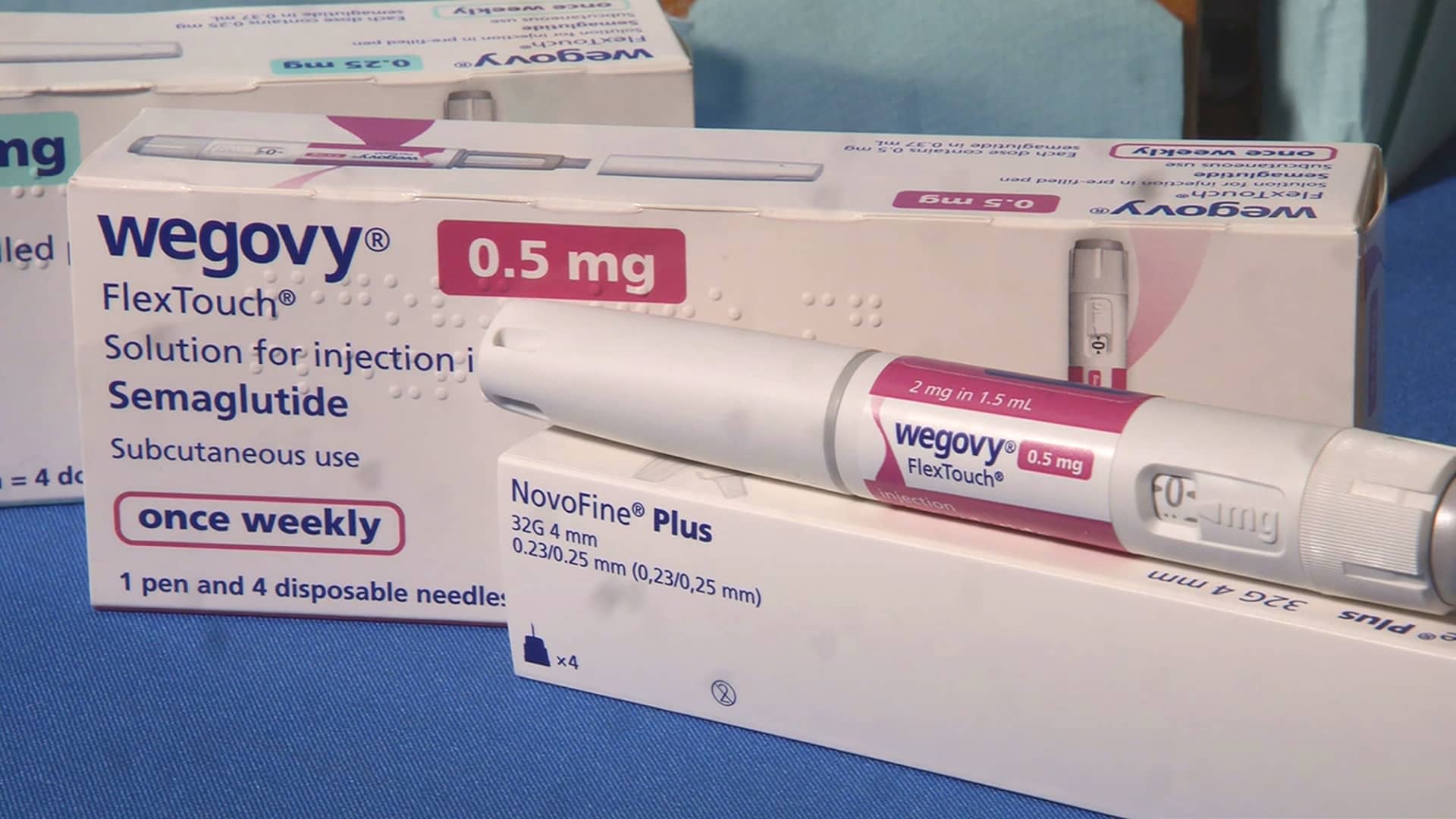
Denmark, a prominent hub within Europe’s pharma and biotech sectors, hosts renowned companies like Novo Nordisk, known for its weight-loss drug Wegovy, and Bavarian Nordic, a vaccine producer. Both firms have significant market exposure in the U.S., with Novo Nordisk preparing to navigate these impending changes by focusing on operational flexibility rather than speculation. “We are laser-focused on what we can impact,” stated Novo Nordisk Chairman Helge Lund, highlighting the importance of adaptability in the face of uncertain policy changes.
The specter of tariffs adds a layer of complexity to the investment landscape, which is already fraught with volatility. Emily Field, the head of European pharmaceuticals research at Barclays, noted that tariffs have become a primary concern for investors. The potential financial ramifications are significant for both European companies and their U.S competitors, such as Eli Lilly, known for its diabetes and obesity treatments.
This mounting tension has also caught the attention of policymakers. Morten Bødskov, Denmark’s minister for industry, business, and financial affairs, underscored the government’s commitment to engaging with the country’s pharmaceutical leaders. As Denmark’s economy is heavily reliant on exports, understanding the global market shifts is crucial. Bødskov expressed uncertainty regarding the potential for the Trump administration to modify its protectionist stance or provide exemptions for certain industries.
For companies like Novonesis, the current environment demands vigilance and strategic readiness. “There is a lot of volatility, and there are a lot of rapidly moving trends,” Baiget pointed out. Such conditions necessitate strategies that can both buffer against and adapt to rapid changes. As the industry awaits concrete policy decisions, the focus remains on maintaining operational flexibility and industry resilience amidst global economic flux.
In the broader context, this situation underscores the significant impact of trade policies on global industries beyond immediate financial concerns, affecting innovation, market dynamics, and future growth trajectories. The unfolding developments are a testament to the pervasive influence of international trade relations on local and global markets, particularly within pivotal sectors such as pharmaceuticals.
Original Source: https://www.cnbc.com/2025/04/02/europes-pharma-industry-braces-for-tariffs-as-carve-out-hopes-fade.html
Category :
Tags:
Publish Date: 2025-04-02 10:48:00