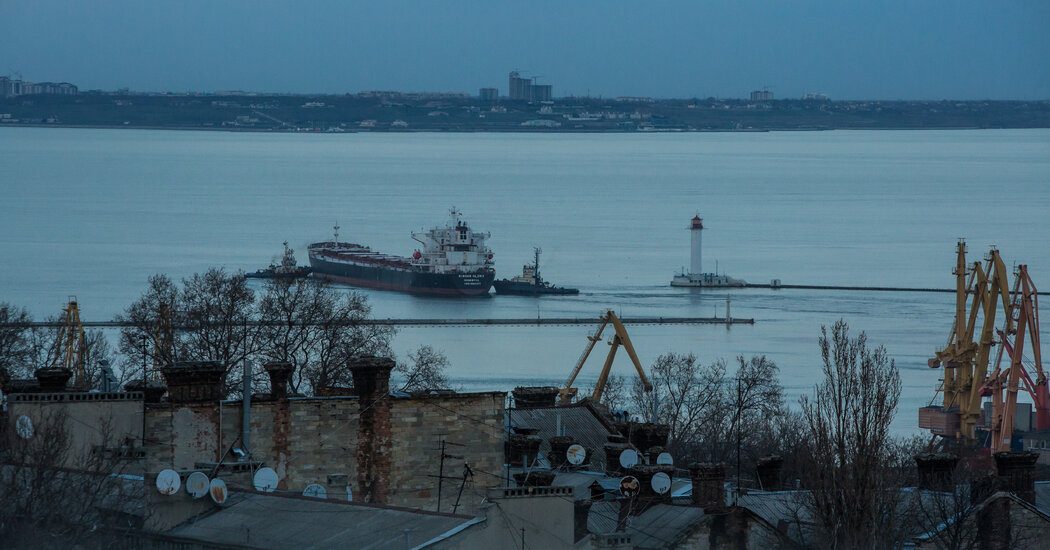

Ukraine recently believed it had reached a temporary cease-fire agreement in the Black Sea conflict. However, Russia demanded the removal of economic sanctions as a prerequisite, revealing the stark divide among parties involved in negotiations. The United States, led by President Donald Trump, refrained from commenting on the timing of peace efforts, simply reiterating an overarching desire for an end to the violence. The differing stances, emerging from discussions in Saudi Arabia, exemplify the complexity obstructing peace negotiations. Analysts suggest that Russia is tactically playing for time, gaining leverage in the process.
The Trump administration aims to secure small-scale cease-fires, hoping these will eventually pave the path to a comprehensive peace agreement. Yet, these efforts have often favored Russia, allowing it to extract concessions from Ukraine while casting the U.S. as a mediator. Moscow recently stated it would agree to the Black Sea truce only if sanctions on its state agriculture bank, Rosselkhozbank, along with other constraints, were lifted. This condition poses challenges, especially if the U.S. pressures European allies to comply, potentially tilting the benefit scale disproportionately in favor of Moscow.
The Black Sea negotiations follow a U.S.-brokered 30-day suspension on attacks against energy targets, which Russia benefits from owing to significant damage inflicted by Ukrainian strikes on Russian oil and gas infrastructure. However, these agreements lack clear enforcement mechanisms, and both sides have accused each other of violating them. Previously, Russian President Vladimir Putin rejected an overarching 30-day cease-fire proposal from the U.S. and Ukraine, demanding conditions like a halt on Ukrainian military enhancements, that would leave Kyiv vulnerable if fighting resumed.
According to Daniel Fried, a former U.S. diplomat, Russia appears to be dragging out negotiations, complicating the process with extensive conditions. President Trump acknowledged this tactic without criticism, suggesting Moscow might be “dragging their feet” while comparing it to his business negotiation approaches to stay engaged without finalizing deals.
Adding complexity, Russia’s proposed Black Sea deal signals a potential revival of a 2022 U.N.-endorsed arrangement allowing them control over commercial shipping. This previous agreement enabled Ukraine to export grain but permitted Russian inspections to prevent weapon transport, which Russia allegedly leveraged to impede Ukrainian exports.
Following the breakdown of that deal in 2023, Ukraine ousted Russian naval forces from the western Black Sea, restoring its grain export levels to near pre-war conditions. Given this resurgence, Ukraine remains resistant to Moscow’s demands, seeking a balanced agreement. Fried suggests any fair Black Sea deal should guarantee Kyiv, such as halting attacks on key Ukrainian ports like Odesa.
The Kremlin’s new proposal introduces the potential lifting of U.S. sanctions before any Russian action, a stance opposed by European Union leaders. French President Emmanuel Macron recently expressed skepticism about starting peace talks with sanction removals. Without substantial Russian concession, Fried questions the rationale behind offering sanctions relief prematurely—a sentiment echoing Ukraine’s concerns about Moscow seeking undue concessions.
In conclusion, even if the Black Sea deal resolves outstanding disputes, experts like Andrey Sizov, director of an agricultural market analysis firm, view it as reinforcing the status quo. Since 2023, Ukraine has maintained successful grain exports through the Black Sea, and Russia continues to trade oil and grain, albeit with costlier processes. Current negotiations appear more about formalizing ongoing activities rather than progressing toward a lasting peace.
Original Source: https://www.nytimes.com/2025/03/26/world/europe/russia-ukraine-us-peace-talks.html
Category : Russian Invasion of Ukraine (2022),Peace Process,United States International Relations,Russia,Embargoes and Sanctions,Ukraine
Tags:
Publish Date: 2025-03-27 05:19:00