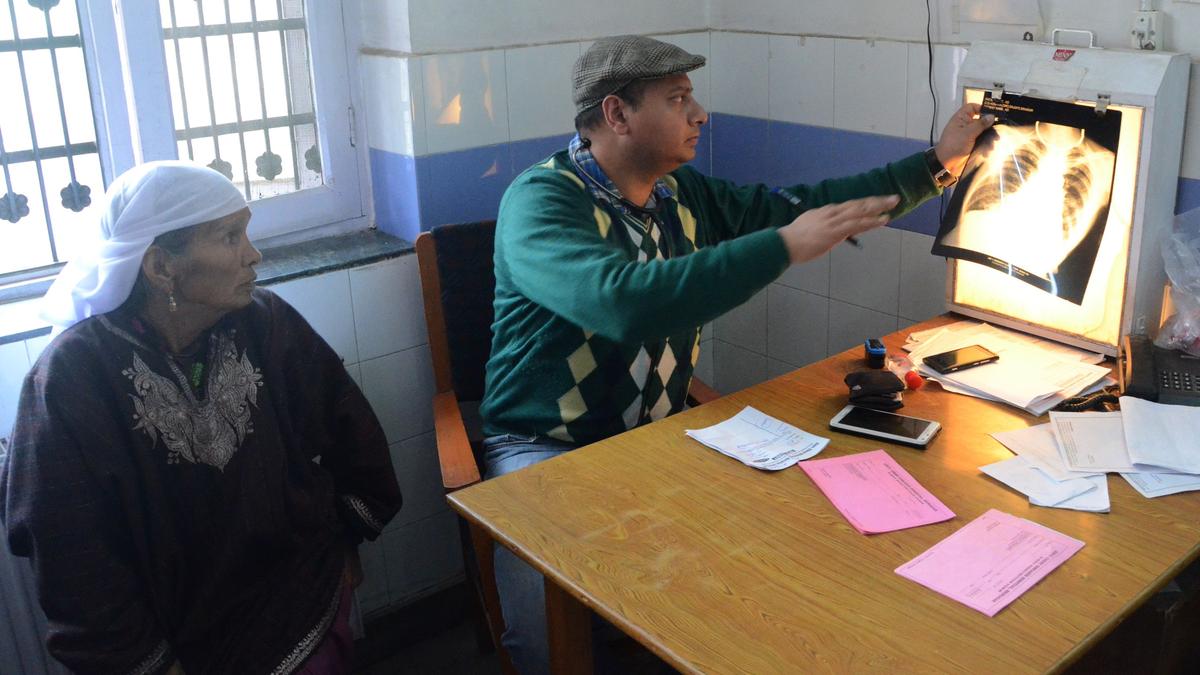

TB Explores the Dark Side of India’s Battle Against the Disease
As India strives to eliminate TB by 2025, a stark reality emerges: the struggle is not just about controlling the disease, but also about addressing the social and gender inequalities that plague its treatment and care. The story of Akshata Acharya, an MDR-TB survivor from Maharashtra, is a testament to this phenomenon. Diagnosed at 24, she faced a daunting two-year recovery period, which coincided with the COVID-19 pandemic, making even the smallest tasks a logistical nightmare. However, the real challenge lay in the mental toll the disease took on her life, as she battled skin discoloration, physical weakness, and the stigma of being an MDR-TB patient.
Acharya’s experience highlights the pressing issue of discrimination and disparities in India’s TB response. Unfortunately, she is not alone. A woman who was recently diagnosed with TB was forced to quit her job as a house help, and her family abandoned her, a stark reminder of the isolation and financial barriers that feminized TB poses. According to the Union Health Ministry’s India TB Report 2023, men are more likely to be affected by TB, while women face unique barriers such as under-diagnosis and financial constraints.
Janmejaya Samal, an expert who authored a scoping review on women and TB care in India, notes that despite progress, gender roles and norms continue to impact women’s access to diagnosis, treatment, and care. He cites the government’s focus on gender equity as a reminder that addressing these disparities is crucial for TB elimination efforts. Moreover, women face stigma-related problems, lack of health-seeking behavior, and poverty, making it unlikely for them to access necessary medical care.
Public health specialist Chapal Mehra emphasizes that at the grassroots level, women encounter multi-layered issues when seeking medical care. From being abandoned after diagnosis to having symptoms ignored and their condition worsening, women are at a higher risk of stopping treatment mid-way. Mehra highlights the enormous pressure on women to maintain their well-being, social support, and fear of losing income as major hurdles.
The Indian government’s Revised National Tuberculosis Control Programme has been renamed the National TB Elimination Program, with a target of eliminating TB by 2025. The program focuses on early detection, effective treatment, and prevention. However, experts stress that more needs to be done to address the gender divide. For instance, the government’s initiatives, such as the Nikshay Poshan Yojana and Pradhan Mantri TB Mukt Bharat Abhiyan, must be implemented robustly, with a focus on providing essential medicines, nutritional support, and direct benefit transfers to the poorest.
As the world marks World TB Day, it is essential to acknowledge that India’s battle against TB is not just a health issue but also a social justice movement. It is imperative to address the underlying gender disparities and inequalities to ensure a more effective, inclusive, and equitable response to this deadly disease. Only then can we hope to eliminate TB by 2025 and make a meaningful difference in the lives of millions affected.
Original Source: https://www.thehindu.com/sci-tech/health/tb-and-women-why-gender-matters-more-than-ever/article69349362.ece
Category :
Tags:
Publish Date: 2025-03-21 06:00:00