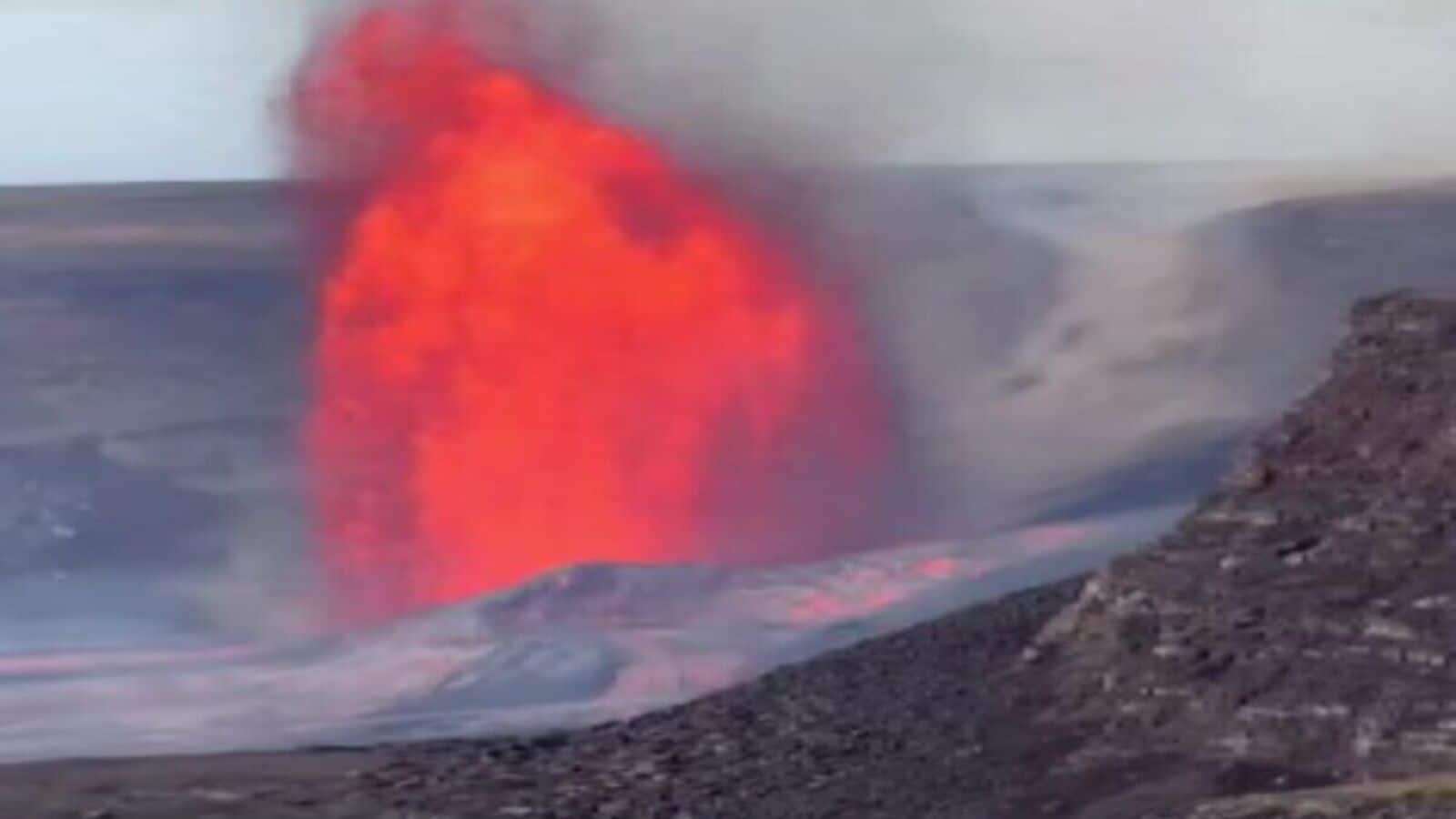

Hawaii’s Kilauea Volcano, renowned for its persistent activity, has concluded its latest eruptive spectacle. According to the US Geological Survey’s Hawaiian Volcano Observatory, the eruption began on March 19 and ceased after an intense 28-hour display, marking the end of what is known as Episode 14 of the ongoing volcanic events within the Halemaʻumaʻu crater. During this short-lived episode, Kilauea unleashed lava fountains that soared up to 700 feet, eventually covering about 75% of the crater floor with fresh lava flows. This eruption, however, posed no immediate threat to local communities, as it remained contained within the boundaries of Hawai’i Volcanoes National Park.
Despite the lack of direct danger to inhabited areas, the eruption highlighted several persisting hazards associated with volcanic activity. The emission of volcanic gases, including sulfur dioxide, continues to be a concern, as it can lead to the formation of vog, or volcanic smog, carried by the wind. This phenomenon can impair air quality and present respiratory complications for residents and visitors downwind of the volcano. Moreover, the presence of Pele’s hair—fine strands of volcanic glass formed by lava fountains—poses additional risks. When airborne, these glass-like particles can cause skin and eye irritation, prompting health advisories from the USGS.
Beyond these airborne hazards, the volcanic environment itself presents dangers. The region around the caldera rim remains prone to instability, with risks of ground cracking and rockfalls. These volatile conditions have led to the closure of certain high-risk areas since 2007, underscoring the ongoing precautionary measures aimed at ensuring public safety.
Kilauea’s dynamic activity has been closely monitored over the years, with this episode being the 14th in a series of eruptions recorded since late 2024. Each event has shown variability, lasting from mere hours to several days, with intermittent pauses also characterizing the volcano’s behavior. Since 2020, Kilauea has maintained its status as one of the world’s most active volcanoes, consistently drawing attention from scientists and visitors alike. Hawai’i Volcanoes National Park remains open, inviting the public to safely experience volcanic activity, though visitors are urged to heed safety advisories and remain within designated areas.
As one of Hawaii’s most captivating natural phenomena, Kilauea’s eruptions continue to intrigue and remind us of the Earth’s fiery power. While the volcano’s recent performance has formally ended, ongoing vigilance by the USGS and other agencies remains crucial to understanding and mitigating the impacts of volcanic activity. For those fascinated by this process, the park offers a unique opportunity to observe the dual forces of creation and destruction, underlining the delicate balance between awe-inspiring natural beauty and the inherent risks it brings.
Overall, Kilauea persists as a symbol of nature’s unpredictability, embodying both the allure and the challenges of living in close proximity to one of the planet’s most formidable forces. As researchers and officials maintain their watchful eye, the story of Kilauea—and its ever-evolving landscape—continues to unfold, captivating global audiences and underscoring the vital need for ongoing research and public awareness in volcanic regions.
Original Source: https://www.livemint.com/news/us-news/hawaiis-kilauea-volcano-erupts-again-sending-lava-700-feet-into-the-air-watch-11742571345929.html
Category :
Tags:
Publish Date: 2025-03-21 21:23:00