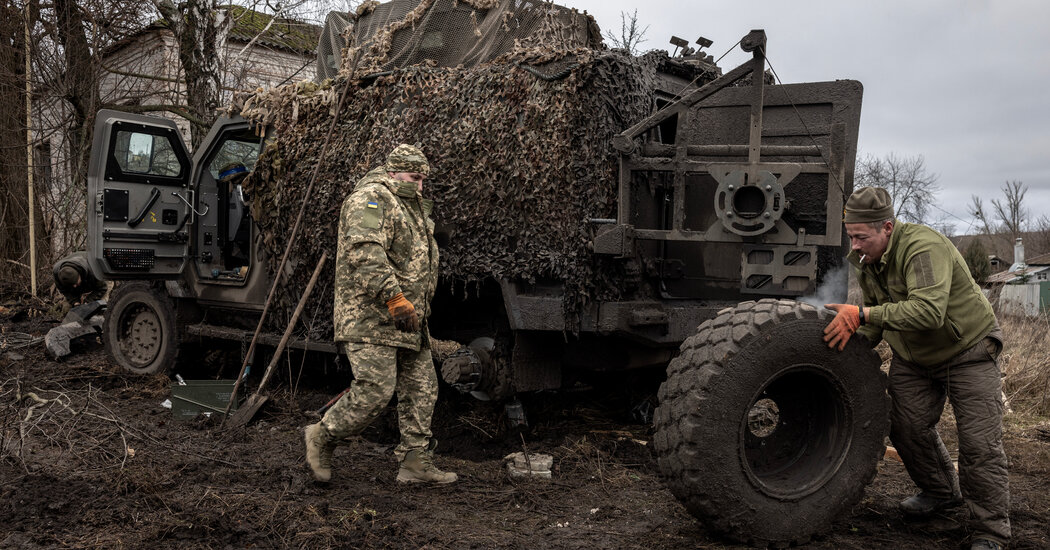

In a strategic push, Moscow is intensifying efforts to regain full control of Russia’s Kursk region from Ukrainian forces amid ongoing cease-fire discussions between the White House and the Kremlin. This development comes in the context of a three-year conflict that has reshaped regional dynamics and attracted global attention. On Saturday, Russia’s Defense Ministry announced the recapture of two villages near Sudzha, a significant town that Ukraine had seized in last summer’s unexpected offensive into Russian territory. While Ukrainian authorities did not immediately comment on these claims, they have yet to confirm any retreat from Sudzha.
This advancement follows President Vladimir Putin’s renewed calls for Ukrainian troops in the region to surrender, promising safety in exchange for compliance. “It’s still valid,” Kremlin spokesman Dmitri Peskov reinforced, while warning that “time was running out.” Contrary to Russian assertions, Ukrainian President Volodymyr Zelensky firmly denied any encirclement of his country’s forces in the area. “Our troops continue to hold back Russian and North Korean groupings in the Kursk region,” Zelensky stated on Facebook, highlighting the involvement of North Korean fighters alongside Russian troops.
As tensions escalate on the Kursk front, attention also shifts to the neighboring Sumy region of Ukraine, where new Russian offensives are anticipated. “We are aware of this and will counter it,” Zelensky assured, urging the international community to understand Russian President Putin’s intentions. Despite a standing ultimatum from last year to cease negotiations while Ukrainian troops remain in Kursk, Moscow shows little urgency in accepting the proposed 30-day truce from Kyiv and Washington. Putin has expressed willingness to discuss terms but insists on addressing issues like Western weapons deliveries to Ukraine as part of any cease-fire deal.
Further complicating matters, UK Prime Minister Keir Starmer is spearheading a virtual summit of global leaders dedicated to supporting Ukraine. “We can’t allow President Putin to play games with President Trump’s deal,” Starmer stated, underscoring skepticism about Putin’s commitment to peace in light of his dismissive stance towards the cease-fire proposal.
The situation deteriorates as Russian forces intensify efforts to reclaim Kursk. With U.S. military aid temporarily halted, Russian operations include increased assaults in Sumy, culminating in targeted attacks using drones and ballistic missiles. Ukrainian officials report that Shahed drones have disrupted critical infrastructure in Sumy, causing significant power outages and water supply issues. Complementing these aerial assaults, small Russian sabotage groups have attempted incursions into Ukrainian territory, though they have been repelled by Ukrainian defenses, according to Andriy Demchenko, the spokesman for Ukraine’s State Border Guard Service.
Additionally, Russia’s Defense Ministry has initiated demining operations in reclaimed areas of Kursk, a move that highlights their tactical advancements while Ukrainian forces brace for ongoing confrontations. As these events unfold, the international spotlight remains fixed on the evolving conflict and the fragile negotiations between Russia and the West. The geopolitical and humanitarian implications of this conflict continue to ripple across borders, demanding ongoing vigilance and discourse.
Original Source: https://www.nytimes.com/2025/03/15/world/europe/russia-ukraine-kursk-cease-fire-talks.html
Category : Russian Invasion of Ukraine (2022),Russia,Ukraine,Kursk (Russia),Sumy (Ukraine),Putin, Vladimir V,Drones (Pilotless Planes),United States International Relations,Defense and Military Forces
Tags:
Publish Date: 2025-03-15 18:23:00