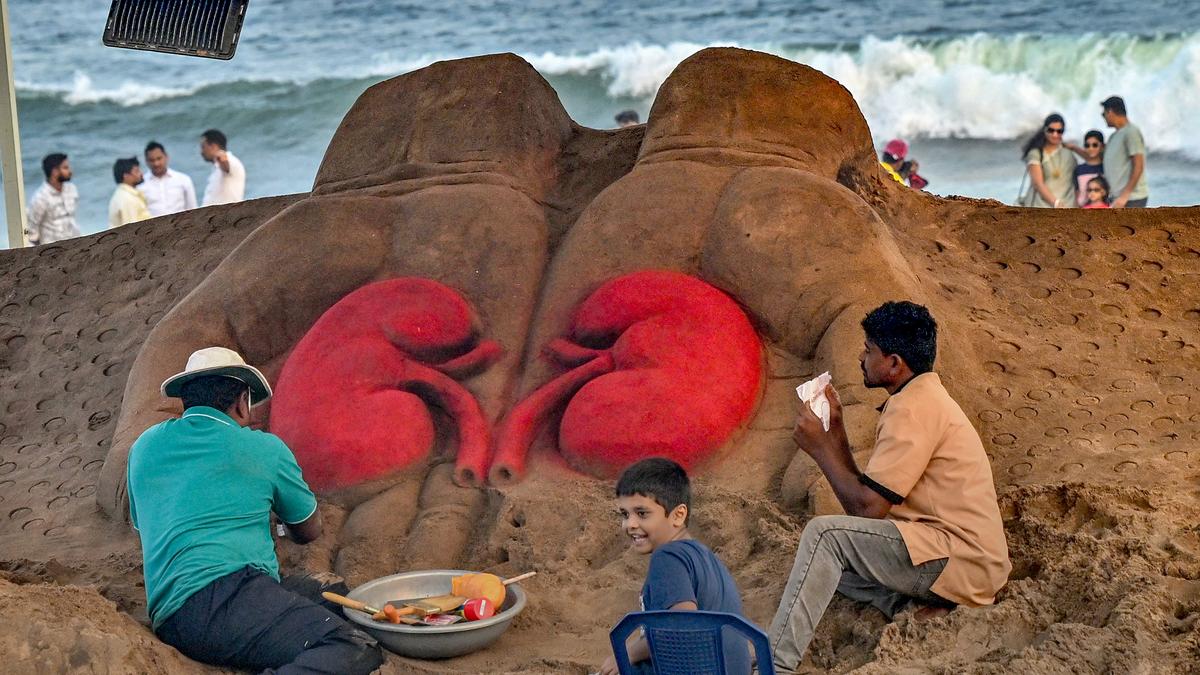

The Alarming Rise of Kidney Disease Among Young Indians: A Silent Health Crisis Unfolding
As the world observes World Kidney Day on March 13, medical experts are sounding the alarm over the growing prevalence of kidney-related health issues among young Indians. A staggering 10 to 15% of Indians, cutting across all age groups, including teenagers, are affected by chronic kidney disease (CKD). The numbers are a stark reminder that this once thought of as a health concern for older individuals is now rearing its head in the younger population.
The increasing cases of kidney disease among young people are attributed to poor lifestyle choices, unregulated supplement consumption, and lack of awareness. "Early-stage kidney disease often shows no symptoms, making regular screening essential," warns Manisha Sahay, professor and head of the department of nephrology at Osmania General Hospital. She highlights that kidney disease is a silent killer, showing no symptoms in its early stages, making regular testing crucial.
Experts emphasize the need for routine kidney function tests, such as urine albumin and creatinine blood tests, among high-risk groups, including individuals with diabetes, hypertension, cardiac conditions, obesity, or a family history of kidney disease. Young people exposed to pesticides, frequent users of painkillers, and women with pregnancy-related hypertension are also vulnerable.
To stay healthy, Dr. Sahay recommends maintaining an ideal body weight through regular exercise, consuming a balanced diet, and limiting salt intake to five grams per day. She advises against excessive fast food consumption, hidden sources of sodium, and encourages natural seasonings like lemon and black pepper instead. Staying hydrated, ensuring six to eight hours of sleep, and managing blood sugar, blood pressure, and cholesterol levels are also crucial steps towards kidney health.
The rising concern over kidney health among young people is echoed by Avula Naveen Reddy, consultant nephrologist at the Asian Institute of Nephrology and Urology (AINU). He has observed a significant increase in kidney-related cases among Gen Z individuals, with even gym-goers reporting elevated serum creatinine levels and protein leakage in their urine. Stress and inadequate water intake among students are also leading to a higher incidence of urinary infections.
Dr. Reddy urges young individuals to avoid over-the-counter painkillers, minimize whey protein supplements, and focus on plant-based protein sources. He also highlights the importance of proper hydration, noting that many students reduce their water intake due to poorly maintained restrooms in schools and colleges, increasing their risk of kidney stones and urinary infections.
Despite the increasing prevalence of kidney-related issues among young Indians, awareness remains alarmingly low. Experts stress that prevention is far more effective than treatment, as dialysis and kidney transplants remain inaccessible for many due to limited resources. "India performs around 15,000 kidney transplants per year, while the demand is nearly two lakh. With each dialysis session requiring around 125 liters of water, even expanding dialysis facilities cannot meet the growing need. The only viable solution is to prevent kidney failure in the first place," Dr. Sahay emphasizes.
By prioritizing routine screenings, maintaining a healthy lifestyle, and staying vigilant about early symptoms, individuals can help curb this growing health crisis before it escalates further.
Original Source: https://www.thehindu.com/sci-tech/health/kidney-disease-no-longer-just-for-the-elderly-young-indians-also-at-risk-say-experts/article69320409.ece
Category :
Tags:
Publish Date: 2025-03-14 04:00:00