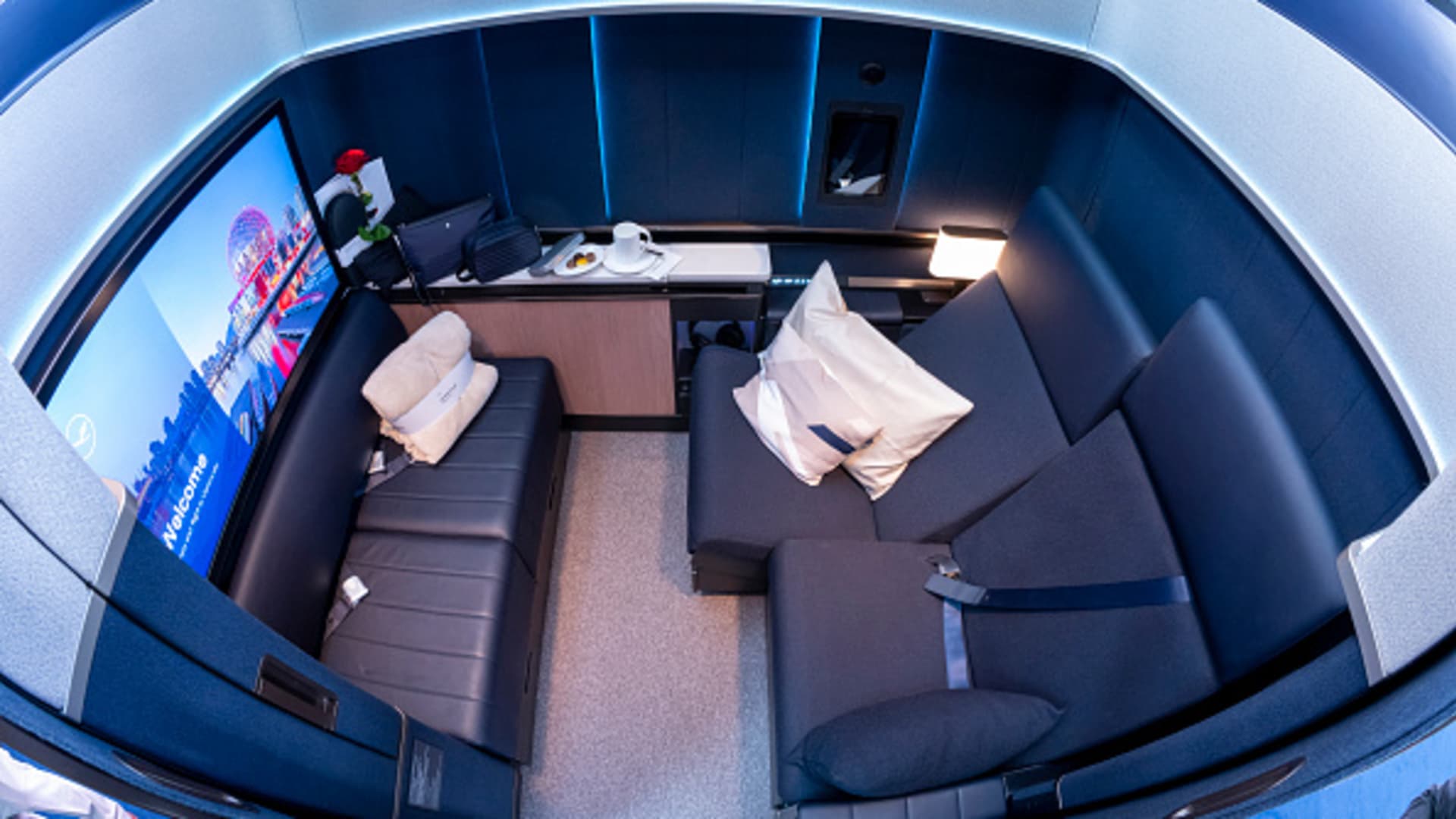
Stunning Revelation: How Lavish First-Class Seats are Grounding New Airplanes and Shocking the Aviation World

Airlines are revamping luxury travel experiences by enhancing their first- and business-class offerings with high-end features such as heated or cooled seats, ultra-high-definition TV screens, all-aisle access, and private doors. However, these luxurious upgrades are causing significant delays in aircraft deliveries from leading manufacturers like Boeing and Airbus. These premium cabins, often requiring hundreds of components and regulatory approvals, are proving to be a bottleneck in the supply chain.
Boeing’s CEO, Kelly Ortberg, recently disclosed that several 787 Dreamliners, intended for long-haul flights, are awaiting delivery at their South Carolina factory due to pending seat installations. These seats, which are among the final elements of assembly, must adhere to complex certification processes before use. “It’s getting the seats certified, and it’s not actually the butt part of the seat. It’s the cabinet and the doors,” Ortberg explained at a Barclays industry conference. Similarly, Airbus CEO Guillaume Faury highlighted that delays in delivering aircraft stem not only from seats but also from other cabin elements like galleys and closets.
Aircraft delivery delays are financially impactful as airlines make substantial payments upon receiving the aircraft rather than at the initial order. Regulatory hurdles and pre-existing supply chain issues further stress the timeline, exacerbated by workforce reductions related to airlines’ cost-cutting measures. The Trump administration, for instance, dismissed numerous Federal Aviation Administration workers, which could potentially strain certification processes despite assurances from the agency regarding non-critical safety roles being affected.
The lucrative nature of premium seats, which can cost airlines six digits each, underscores the urgency for certification and installation. For example, Delta Air Lines charges significantly more for its Delta One seats compared to standard economy fares on long-haul flights. This higher upfront investment is considered worthwhile by airline executives as demand for upgraded travel escalates in the post-pandemic landscape, with passengers eager for comforts and exclusive amenities.
The quest for lighter, aesthetically pleasing designs adds another layer of complexity to the manufacturing process. Companies endeavor to make seats as lightweight as possible to reduce fuel costs. Germany’s Recaro, a notable aircraft seat manufacturer, revealed that its R7 business class model weighs approximately 176 pounds, showcasing the meticulous balance between weight and comfort. Airlines like Switzerland’s Swiss have had to reconsider component designs for optimal weight distribution, indicating the intricate challenges associated with seat upgrades.
Luxury travel is undergoing a renaissance as carriers worldwide race to modernize and enhance cabin interiors. Delta, American Airlines, JetBlue, Qantas, and Singapore Airlines are among those striving for excellence. American Airlines has recently received approval for new seat designs on its wide-body planes and anticipates introducing them across several aircraft models later this year. CEO Robert Isom highlighted the strain on the supply chain, emphasizing the need for close collaboration with suppliers to adhere to expected timelines.
As airlines and manufacturers navigate these challenges, the primary focus remains on upgrading passenger experiences while adhering to safety and regulatory standards. The push towards enhanced luxury and comfort is reshaping the airline industry, promising an exciting trajectory for both carriers and travelers alike.
Original Source: https://www.cnbc.com/2025/03/02/first-class-seats-holding-up-new-airplanes.html
Category :
Tags:
Publish Date: 2025-03-12 20:22:00