
Job growth in February showed signs of stability, although it did not meet expectations, according to the latest report from the Bureau of Labor Statistics (BLS). Nonfarm payrolls rose by 151,000, a slight improvement over January’s downwardly revised 125,000 but falling short of the 170,000 projected by economists in a Dow Jones survey. Meanwhile, the unemployment rate inched up to 4.1%, reflecting nuanced undercurrents in the employment landscape.
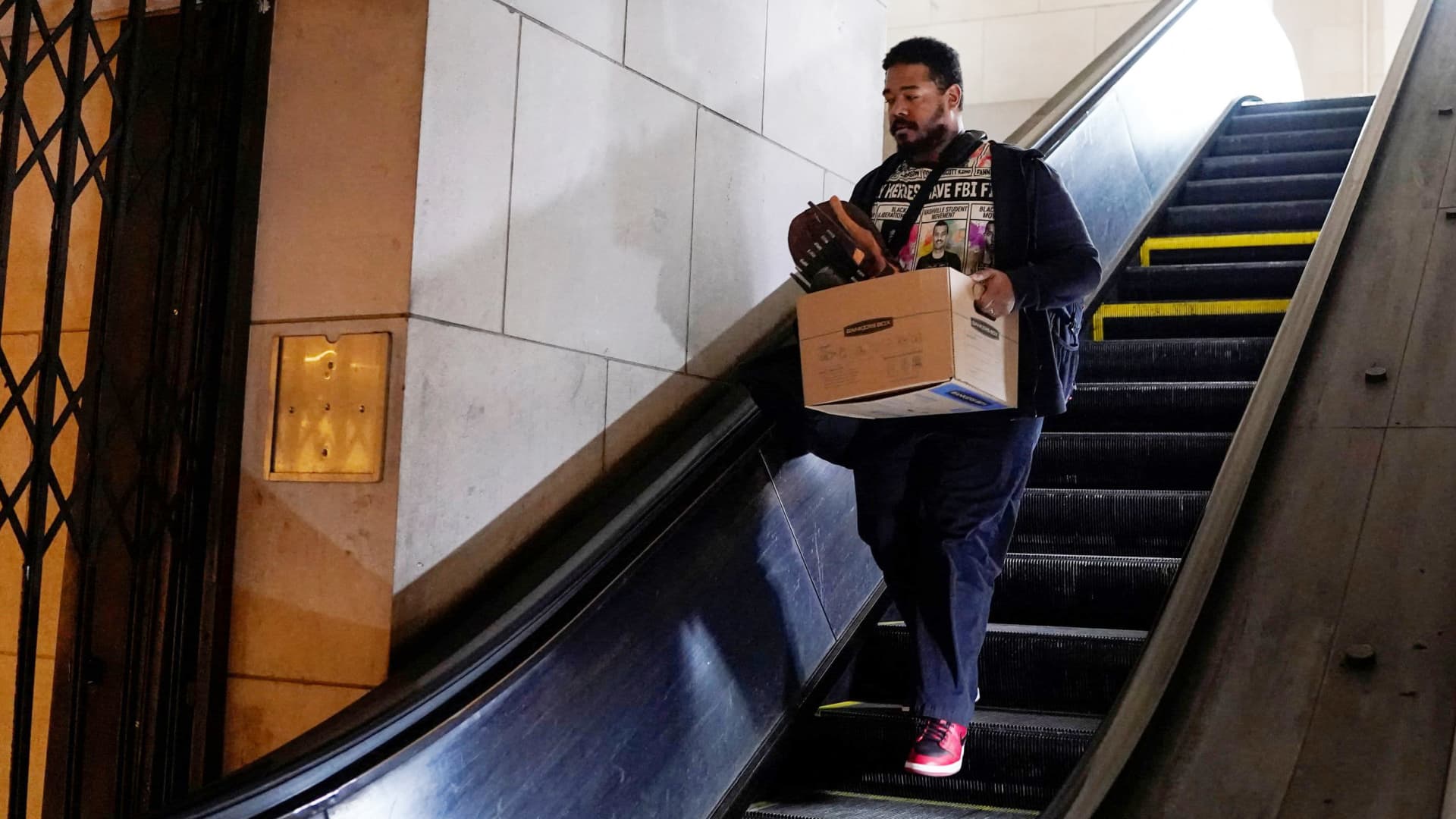
Notable shifts are occurring within the federal workforce amidst ongoing initiatives to streamline operations, spearheaded by Elon Musk’s Department of Government Efficiency. The federal sector saw a reduction of 10,000 jobs, even as government payrolls, on the whole, registered an increase of 11,000. These changes are primarily due to buyout incentives and mass layoffs, with further impacts expected in upcoming months. The employment reductions connected to Musk’s strategy will become more evident in future labor reports, as many layoffs occurred post-survey period for February. According to outplacement firm Challenger, Gray & Christmas, more than 62,000 layoffs have been announced under these efforts.
Despite the turbulence, various sectors displayed resilience in February. The health care industry led job creation with an additional 52,000 roles, aligning with its yearly average. Other sectors, such as financial activities, transportation and warehousing, and social assistance, posted gains of 21,000, 18,000, and 11,000 jobs respectively. However, the retail sector faced a decline, shedding 6,000 positions during the month.
Wage growth continues at a steady pace, with average hourly earnings climbing 0.3% in February, matching forecasts. Yet, the annual wage growth rate of 4% slightly lagged behind the anticipated 4.2%. Following the report’s release, stock market futures edged upward, while Treasury yields decreased, underscoring mixed sentiments in financial markets.
Byron Anderson, head of fixed income at Laffer Tengler Investments, expressed caution regarding the employment data. “We are not putting much stock in the jobs report at the moment,” Anderson said. “Today’s data was mixed at best, but we still have no clarity on the economy moving forward with the Trump turmoil. The longer we have chaos and turmoil from Trump, the higher the probability that we will eventually have data trend negative.”
While job growth remains positive, several underlying issues warrant attention. The labor force participation rate fell to 62.4%, marking its lowest point since January 2023, as the labor market shed 385,000 participants. Furthermore, a broader unemployment measure, which includes discouraged workers and those in involuntary part-time employment, rose to 8%, the highest since October 2021. The household survey painted a bleaker picture, showing a reduction of 588,000 workers and an increase in individuals seeking full-time positions despite currently holding part-time jobs.
The February employment data reflects a challenging period for both markets and the broader economy. Stock indices have experienced frequent fluctuations since President Donald Trump assumed office, influenced heavily by dynamic tariff policies. Meanwhile, Musk’s departmental reforms have been mirrored by surveys indicating heightened worker apprehension.
Overall, while the labor market maintains relative stability, as evidenced by upward revisions to December’s jobs report and slight decreases in January, the outlook remains clouded by political and economic uncertainties. As such, the forthcoming months will be critical in assessing the full impact of current government efficiency measures and their broader implications on employment trends.
Original Source: https://www.cnbc.com/2025/03/07/jobs-report-february-2025.html
Category :
Tags:
Publish Date: 2025-03-07 20:11:00