Here is a potential SEO-friendly title for you: “Sufi Harmony: PM Modi’s Jashn-e-Khusrau Tribute to the Timeless Legacy of 13th Century Sufi Iconic Poet Khusrau, Flag-Bearer of Pluralistic Spiritual Unity” This title incorporates relevant keywords (Khusrau, Sufi, and Jashn-e-Khusrau), evokes a sense of harmony and unity, uses power words like “Timeless”, “Iconic”, and “Spiritual”, and maintains a professional and credible tone. Let me know if you’d like me to suggest any further adjustments!

The Fragrance of Hindustan: Unpacking the Legacy of 13th-Century Sufi Poet Amir Khusrau
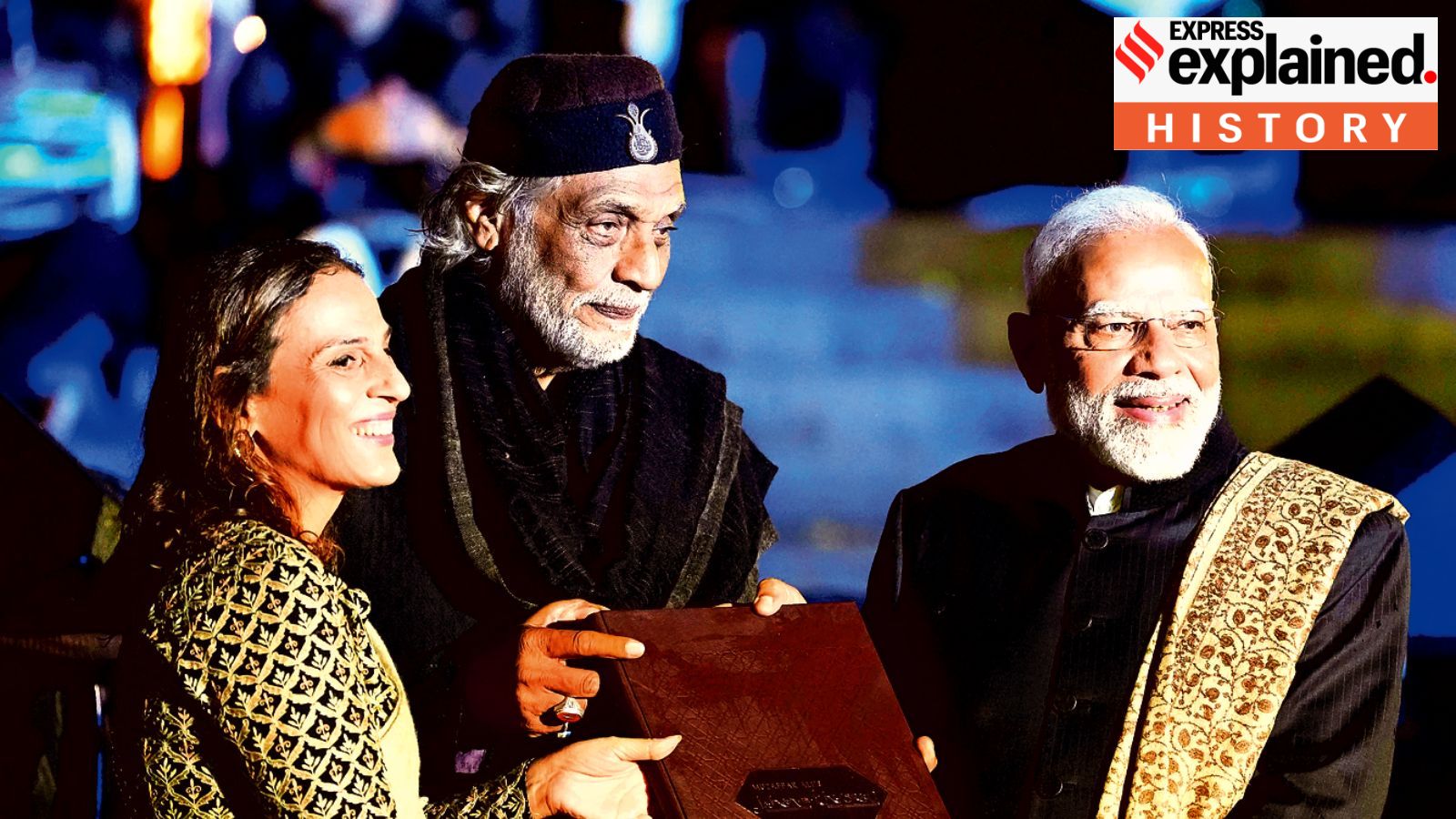
For centuries, the poetry of 13th-century Sufi poet-musician Amir Khusrau has been the cornerstone of India’s syncretic Ganga-Jamuni culture. Recently, Prime Minister Narendra Modi attended the 25th edition of Jahan-e-Khusrau, paying homage to the poet’s remarkable legacy. Let us delve into the life and times of Khusrau, who blended the fragrance of Hindustan with the whispers of the East.
The Poet’s Birth and Lineage
Born in 1253 in Patiyali, present-day Uttar Pradesh, Khusrau’s ancestry is a testament to the cultural exchange between the East and West. His father, a Turk, had moved to India from Central Asia during the Mongol invasions. Khusrau was proud of both his Indian and Turkic lineage, and his works reflect a synthesis of the two cultures.
A Poet for the Sultans
Khusrau’s poetry career spanned five decades, during which he served no less than five Sultans and numerous other powerful patrons. His works were a testament to his poetic prowess, as he wrote in Persian, the language of the court, as well as Hindavi, a precursor to modern Hindi and Urdu. His patronage enabled him to create works that celebrated the beauty of love, spirituality, and the blending of cultures.
A Disciple of Nizamuddin Auliya
Khusrau was not only a poet but also a devoted disciple of Sufi master Nizamuddin Auliya, the founder of the Chishti Order. The master-pupil bond was a defining aspect of Khusrau’s life, and he would often refer to himself as the "Indian Turk".
A Syncretic Legacy
Khusrau’s poetry and music reflected his vision of a harmonious coexistence between Hindus and Muslims. His works addressed themes of love, spirituality, and the beauty of nature, making him the perfect flag-bearer of pluralistic Sufi tradition. He wrote eulogies for kings, riddles and jingles, and homely songs for children, housewives, and lovesick maidens, catering to a diverse audience.
His Musical Contributions
Khusrau is credited with developing modern Indian classical music, crafting dozens of ragas, creating ornate khayal music, and inventing the sitar and tabla. His ghazals and qawwalis continue to be sung in sacred and secular contexts, from Sufi dargahs to Bollywood musicals.
Legacy and Relevance
Seven centuries after his passing, Khusrau’s poetry remains a testament to his commitment to syncretism. His works continue to inspire audiences, with their lyrical beauty, sophisticated wordplay, and exploration of diverse themes. As Prime Minister Modi aptly described, Khusrau’s work is imbued with the "fragrance of the soil of Hindustan."
In conclusion, Amir Khusrau’s legacy is a powerful reminder of the beauty that can be achieved when cultures blend and merge. His poetry and music continue to captivate audiences, serving as a beacon of unity in the face of diversity. As we reflect on his life and times, we are reminded of the importance of maintaining a pluralistic society that celebrates the richness of our cultural heritage.
Original Source: https://indianexpress.com/article/explained/explained-history/prime-minister-modi-attends-jashn-e-khusrau-how-13th-century-poet-is-a-flag-bearer-of-pluralistic-sufi-tradition-9862123/
Category : Explained,Explained History
Tags:
Publish Date: 2025-03-01 07:10:00