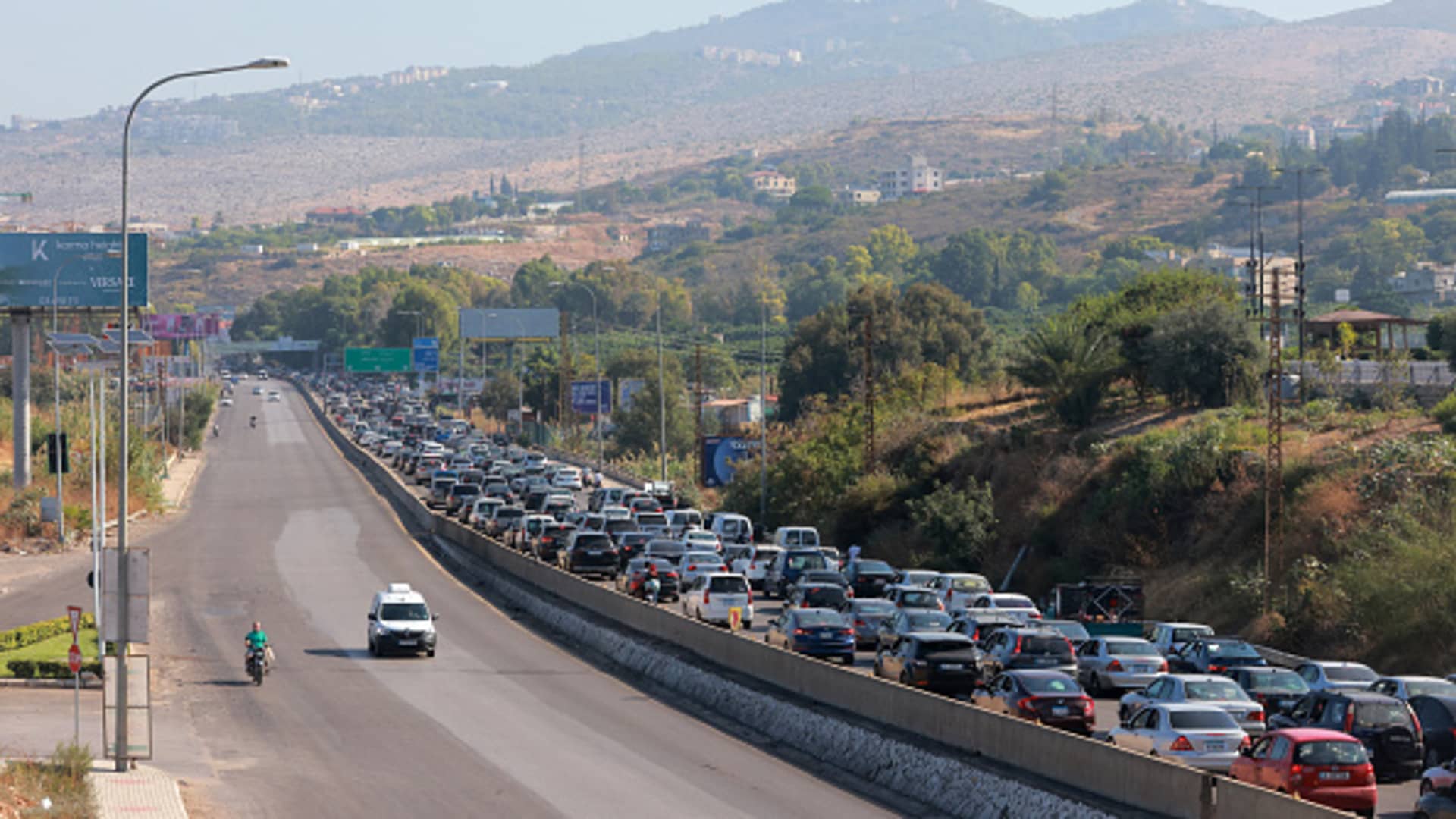

Lebanon’s foreign minister, Abdallah Bou Habib, defended Hezbollah’s regional presence on Thursday, emphasizing that Lebanon did not authorize engaging in war with Israel. Speaking to CNBC, Bou Habib affirmed Lebanon’s commitment to a U.S.-France brokered cease-fire, although tension is rising. “We support Hezbollah but oppose the war,” Bou Habib stated, acknowledging Lebanon’s lack of influence over the decision to fight Israel. Hezbollah, a political and military entity, has been blamed for dragging Lebanon into conflict, despite controlling significant parliament seats and territories.
Though Iran influences Lebanon via Hezbollah, Bou Habib claims Lebanon remains independent. He assured that Hezbollah will adhere to the cease-fire, which allowed displaced parties to return home after 14 months of conflict. Concerns remain as both Israel and Hezbollah accused each other of early cease-fire violations.
Under UN resolution 1701, Lebanon intends to reinforce the cease-fire by shifting control of southern areas to Lebanese Forces and a UN peacekeeping force. Israeli and Hezbollah withdrawals from southern Lebanon are scheduled over 60 days, potentially becoming permanent, as per U.S. Envoy Amos Hochstein. The resolution also demands disarmament of groups like Hezbollah, but Bou Habib cautioned resistance will persist until border disputes, like the contentious Shebaa farms, are resolved.
Lebanon faces substantial political challenges, exacerbated by the absence of a president since 2022, with governance hindered by a sectarian power-sharing system. Bou Habib claimed his government holds significant trust among Lebanese.
Conflict-related damages to Lebanon’s economy are estimated at $8.5 billion, possibly rising to $20 billion, impacting infrastructure and employment. Without substantial international funding, reconstruction remains uncertain. While receiving humanitarian aid from the Gulf, further discussions on infrastructure funding are pending. Previous supports from Gulf states post the 2006 war might be hampered by Lebanon’s recent economic troubles and Hezbollah’s influence.
Original Story https://www.cnbc.com/2024/11/28/lebanon-had-no-say-in-the-decision-to-go-to-war-foreign-minister-says.html
Category :
Tags: