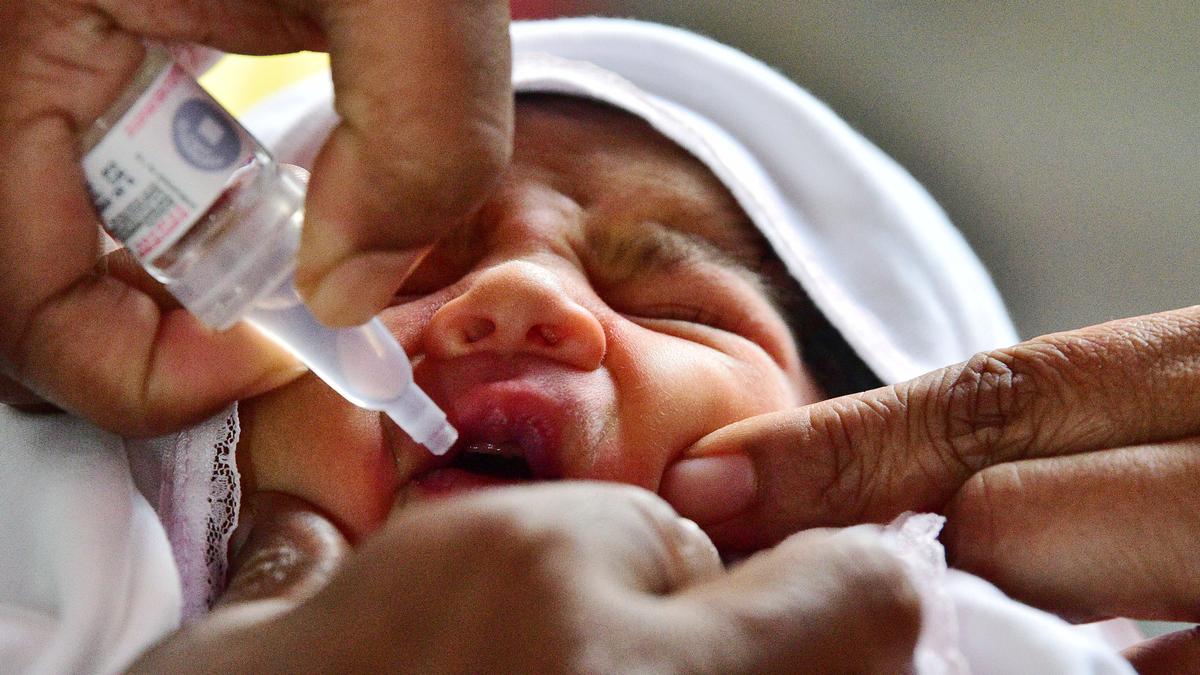
Urgent Insight: How Acute Flaccid Paralysis Surveillance Safeguards India Against Polio Resurgence

India’s polio-free status since 2014 marks a significant milestone in global health; however, the disease still poses a threat, as highlighted by a 2024 case of vaccine-derived poliovirus in Meghalaya. Around the same time, the Gaza Strip reported its first paralytic polio case in 25 years, underscoring the ongoing risks in regions with fragile healthcare systems. In response, Gaza launched an emergency vaccination campaign targeting 500,000 children with the novel oral polio vaccine type 2 (nOPV2).
These incidents stress the importance of Acute Flaccid Paralysis (AFP) surveillance in India. AFP, characterized by sudden limb weakness, serves as an early indicator of poliovirus. Maintaining stringent AFP surveillance is crucial for India to ensure early detection and response to potential outbreaks, even in areas with robust immunization programs.
AFP surveillance involves comprehensive efforts, including environmental testing of sewage and a coordinated network of health workers, labs, and community members to report and investigate suspected cases. When a case is detected, a rapid investigation and vaccination response are initiated to prevent further virus transmission.
India’s collaboration with the WHO and the National Polio Surveillance Project has maintained robust surveillance, pivotal in detecting the last polio case in 2011. Despite being polio-free, India must stay vigilant as the virus persists in parts of the world, notably Afghanistan and Pakistan. Continuous surveillance will be essential in protecting populations and achieving the global goal of eradicating polio.
Original Story https://www.thehindu.com/sci-tech/health/acute-flaccid-paralysis-surveillance-as-a-crucial-defence-against-polio-in-india-explained/article68786123.ece
Category :
Tags:
Publish Date: 2024-10-23 14:26:00