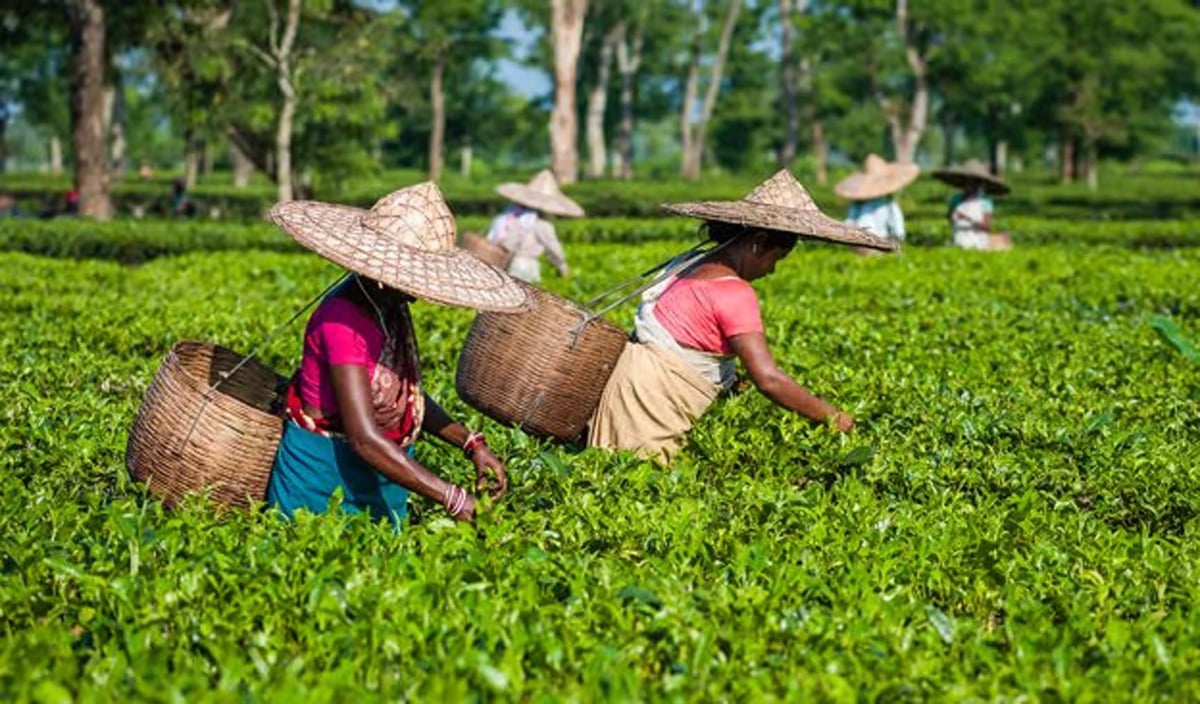

Revitalizing the Tea Industry Amidst Climate Challenges
The centuries-old tea industry is confronting unprecedented challenges from climate change, including increased temperatures, erratic rainfall, and severe weather events that detrimentally impact both tea yield and quality. To sustain and revive the industry, targeted adaptive measures are essential.
Climate-Resilient Cultivation Practices: Embracing diversified crop varieties and agroforestry can buffer tea plants against climatic extremes. Efficient water management through drip irrigation and rainwater harvesting, coupled with soil health management techniques like organic farming and composting, are vital for maintaining plantation resilience.
Sustainable Agricultural Practices: Adopting organic and regenerative farming reduces dependency on chemical inputs, boosting soil health and biodiversity. Integrated Pest Management (IPM) can help control pest outbreaks exacerbated by climate change, while precision agriculture using drones and soil sensors optimizes input use and minimizes waste.
Market Adaptations: With potential declines in production volumes, focusing on premium-quality teas for niche markets can become a strategic priority. Certification through Fair Trade, Rainforest Alliance, and organic labels enhance market value by assuring consumers of ethical and sustainable practices. Diversifying into value-added products, such as tea blends and ready-to-drink teas, can stabilize income streams.
Collaboration and Research: Government and industry investment in research on climate-resilient tea varieties and climate-smart agricultural techniques is crucial. Educating smallholders on these practices ensures widespread adoption.
Policy and Financial Support: Governments in tea-growing regions should provide subsidies, insurance schemes, and research grants to encourage the adoption of climate-resilient practices. Financial aid, such as climate adaptation loans or microfinancing, enables small-scale farmers to invest in necessary infrastructure and technology.
Community-Led Solutions: Cooperative farming can help small growers share resources and implement sustainable farming methods collectively. Developing local early-warning systems for extreme weather events ensures communities can protect their crops effectively.
These comprehensive measures can help the tea industry navigate the uncertainties posed by climate change, ensuring its continued growth and sustainability.
Original Story https://www.sentinelassam.com/more-news/editorial/mitigating-ill-effects-of-climate-change-a-major-challenge-for-tea-industry
Category : Editorial
Tags: