Ergonomics as Infrastructure: The Long-Term ROI of Durable Work Design

We obsess over “five-nines” availability in our cloud infrastructure, yet we routinely tolerate brittle foundations in how we build-and where we work. Every CTO I speak with has an ambitious roadmap for Generative AI integration and microservices scalability, but very few pause to ask a much simpler engineering question: What in our organization is actually built to survive six years of heavy use without a single squeak?
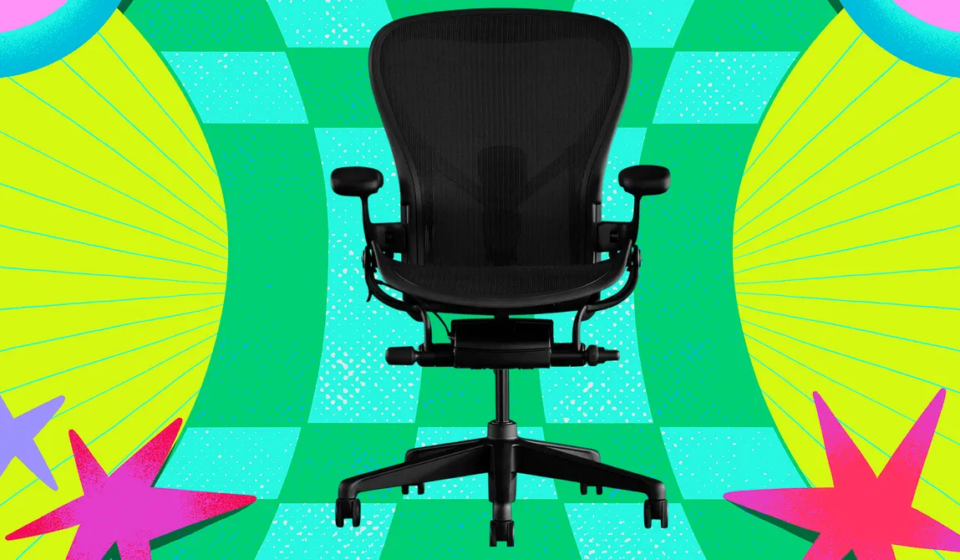
I recently read a multi-year retrospective from a major tech publication evaluating high-end ergonomic workspace hardware-chairs, standing desks, and portable stands tested across five to six years of relentless, eight-hour-a-day workloads. Stripping away the seasonal retail noise surrounding holiday sales, the underlying signal was unmistakable: the vast gulf between disposable consumer gear and industrial-grade, “buy-it-for-life” engineering.
The Architecture of Longevity vs. Technical Debt
As a Chief Software Architect, that six-year “zero squeaks, zero creaks” benchmark resonates deeply. In enterprise software, we confront this exact structural tension every day. When delivery pressure mounts, engineering teams are often tempted to reach for the digital equivalent of a flimsy, off-the-shelf accessory-hardcoded workarounds, poorly indexed schemas, or tightly coupled APIs. They look sleek on demo day. By month eighteen, under real production load, the structural fatigue sets in.
True engineering maturity means designing for a 12-year lifecycle, not a 12-month sprint. Just as physical hardware requires deliberate material science-managing thermal dissipation and mechanical tension across thousands of hours-cloud-native enterprise architectures demand deliberate investments in observability, modularity, and automated testing. Paying down technical debt upfront feels expensive in Q1, yet it is the only reason an enterprise system scales gracefully instead of collapsing under its own weight by Year Five.
The Paradox of Configurability and Friction
Those long-term evaluations also highlighted a fascinating design trade-off that mirrors one of the oldest dilemmas in system architecture: precision tunability versus opinionated simplicity.
Some systems are engineered for extreme adaptability-packed with granular controls, tension mechanisms, and fine-tuning capabilities. They carry a noticeable learning curve and aren’t always intuitive out of the box, yet once calibrated, they sustain heavy, complex workloads effortlessly. Other designs prioritize sleek minimalism and zero configuration. They look stunning and require zero onboarding, making them great for brief, occasional tasks-but they quickly reveal their limitations under sustained, mission-critical pressure.
When architecting enterprise platforms or integrating GenAI workflows today, technology leaders must navigate this exact spectrum. Over-engineered, hyper-configurable platforms create cognitive friction for developers. Conversely, overly rigid, “black-box” tools leave enterprises trapped when business logic inevitably grows more nuanced. The art of architecture lies in knowing where your team needs deep, adjustable control-and where a clean, opinionated default will suffice.
Lessons for Builders and Young Founders
For the young entrepreneurs and engineering students I mentor, there is a vital lesson here that has nothing to do with buying expensive office furniture. Never confuse the appearance of speed with endurance. Whether you are designing your first production backend or setting up the physical environment where you spend ten hours a day writing code, cheap shortcuts inevitably compound into expensive failures.
- Optimize for Year Five, Not Day One: Evaluate architectural choices-from cloud databases to AI orchestration layers-on how gracefully they handle sustained load, not how fast they spin up in a prototype.
- Respect the Friction of Control: Intuitive simplicity is ideal for lightweight tasks, but core enterprise systems require granular tunability, even if it demands steeper upfront engineering discipline.
- Invest in the Primary Compute Node: System resilience isn’t measured solely by server uptime; it depends equally on the cognitive and physical stamina of the human engineers maintaining the stack.
Hype cycles and seasonal discounts fade fast, but thoughtful engineering quietly carries the weight of the future-year after year, without a single creak.
About the Author: Sanjeev Sarma is the Founder Director and Chief Software Architect at Webx Technologies. With a core focus on Generative AI integration, Cloud-Native Scalability, and Enterprise Software Architecture, he has spent over two decades driving digital transformation across Northeast India and beyond. Beyond his corporate leadership, Sanjeev is deeply invested in shaping the future of the IT industry. He serves as an Industry Expert on the Board of Studies for Assam Don Bosco University’s School of Technology, advises state technology committees, and actively mentors emerging tech startups at STPI. He brings a unique, dual perspective of high-level enterprise execution and future-ready academic curriculum development.