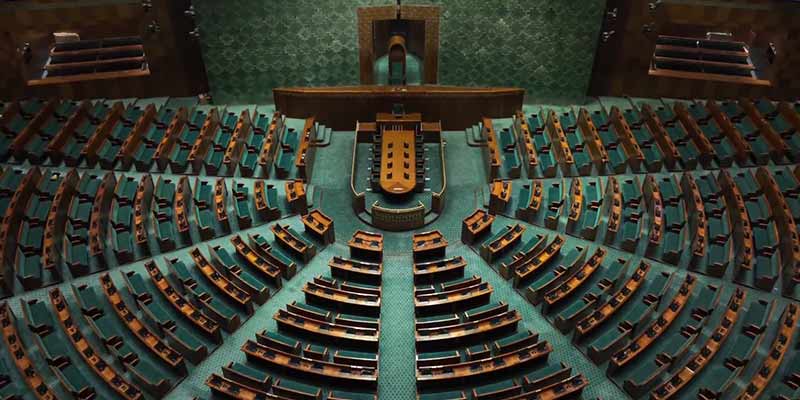

The Union Cabinet has approved the 132nd Constitutional Amendment Bill, 2026, opening the way for a major overhaul of India’s electoral system through an increase in Lok Sabha and state assembly seats and 33% reservation for women. The decision was taken at a Cabinet meeting chaired by Prime Minister Narendra Modi on Friday, ahead of Parliament sessions scheduled for November 30 for the Lok Sabha and December 2 for the Rajya Sabha.
Under the proposal, the maximum strength of the Lok Sabha would rise to 850 and state assemblies to 650. Total Lok Sabha and assembly seats in every state and Union Territory would increase by 50% over current levels. The government plans to amend Article 334A, which provides for 33% reservation for women, to include the new arrangement.
Although seats would increase, the current ratio of Lok Sabha seats among states would not change. Based on the 1971 census, the ratio of seats among states in both Houses of Parliament would be preserved until 2051 through an amendment to Article 81(3)(1). The move is expected to partly address concerns that population growth could reduce the parliamentary seat share of southern states.
Delimitation of geographical boundaries would use the 2011 census. For assembly constituencies and seat allocation within states, the government proposes to use the latest census published by the date the law comes into force, instead of the 2001 census.
The government aims to enforce 33% women’s reservation from the 2029 Lok Sabha elections. Three bills will be introduced in Parliament. The first would amend the Constitution to increase Lok Sabha seats and preserve the state-wise ratio based on the 1971 census. The second would form a Delimitation Commission; the previous Delimitation Bill, 2026, would be withdrawn and the Law Minister would introduce a new Delimitation (Second) Bill, 2026. The third would cover delimitation of seats in Union Territories.
After the bills are passed and required state approvals obtained, the Delimitation Commission would be constituted. Women’s reservation is proposed for 15 years, with reserved seats rotated after every three election cycles. A separate bill is planned to ensure that the vote value of MPs and MLAs in presidential elections remains unchanged despite the seat increases.
In April this year, the government’s 131st Constitutional Amendment Bill, 2026, failed to secure the required two-thirds majority in the Lok Sabha. It did not provide for a proportional 50% seat increase in all states, drawing strong opposition from regional parties. The government has also decided to withdraw earlier proposals linking women’s reservation to the 2027 census.
The new bills propose an equal rate of seat increase across all states to address regional parties’ objections while aiming to implement women’s reservation from 2029. The future of these sweeping changes will depend on the debate when Parliament meets from November 30 and on the stance taken by opposition and regional parties.
Original Source: https://assam.nenow.in/proposal-to-increase-lok-sabha-seats-to-850-33-reservation-for-women-from-2029-what-does-the-centres-new-delimitation-bill-propose/
Category: দেশ,শীর্ষ সংবাদ
Tags:
Publish Date: 2026-11-28 14:33:00