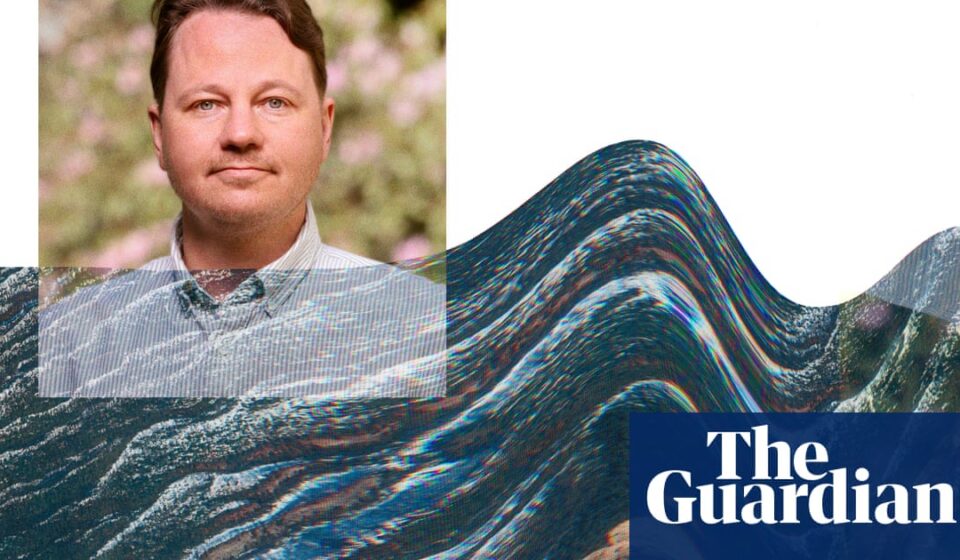

Heatwaves and wildfires are not only burning forests; they are accelerating thaw across the world’s vast permafrost zone and raising the risk of irreversible climate “tipping points,” warns Gustaf Hugelius, a professor at the Bolin Centre for Climate Research at Stockholm University. The thaw matters because permafrost soils hold roughly 1,500 gigatons of carbon-about three times the carbon contained in all living vegetation on Earth-and even modest releases would amplify global warming.
Permafrost is ground that stays frozen year-round. It spans roughly 20 million square kilometres-about five times the size of the European Union-and is concentrated in Russian Siberia, Canada, Alaska and parts of northern Europe. Much of that frozen ground contains ancient plant remains that have been effectively locked away for millennia.
When permafrost thaws, microbes decompose that organic matter and emit carbon dioxide and methane into the atmosphere. Those emissions add warming, which causes more thaw-a self-reinforcing feedback. The physical thaw also reshapes the landscape: melting ground ice can collapse and drain, forming lakes, wetlands or gullies known as thermokarsts. Those new landforms change soil and snow dynamics and, once formed, are unlikely to refreeze on human timescales.
The full permafrost region is too large to tip all at once unless global temperatures rise extremely high, Hugelius says, but many local tipping points are already occurring. Some areas have passed irreversible thresholds, and the thaw will produce cascading impacts that compound climate stress over decades and centuries.
Estimates indicate the permafrost could release on the order of 200–300 gigatons of CO2-equivalent emissions this century if global warming reaches roughly 1.8–3.6°C above preindustrial levels-far larger than current annual emissions from many regions. While a few studies once predicted extreme methane pulses, those scenarios are now regarded as unlikely. Still, methane matters: it is roughly 30 times more potent than CO2 over a 10–15 year horizon, so wetter thaw pathways that produce methane are a near-term climate risk.
Whether thawed ground becomes wetter or drier determines the balance between methane and CO2 emissions, and that remains a major scientific uncertainty. There is also a time lag: vegetation and peat layers insulate permafrost, so some southern fringe areas are already effectively committed to thaw. Hugelius notes several million square kilometres-especially along the southern margins and in parts of northern Sweden and Finland-are likely lost even if global temperatures stabilise now, while much of Siberian and Canadian permafrost could persist if global emissions are cut.
On the ground, researchers have recorded more intense fires and warmer summers in Siberia and Canada, which accelerate thaw and create new lakes in subsequent years. Any local gains-longer growing seasons or resource access-are far outweighed by infrastructure collapse, higher extraction costs and large economic losses, with Russia likely among the hardest hit.
There is no feasible large-scale geoengineering fix. The only viable path is rapid emissions reduction: for each degree of global warming avoided, about 4 million square kilometres of permafrost are spared from thaw. Hugelius stresses the science is clear on the processes and the feedbacks; what is uncertain is the exact timing and the wet-versus-dry outcomes. He warns the consequences will last generations and urges urgent action to limit further, self-reinforcing carbon releases from the frozen ground.
Original Source: https://www.theguardian.com/environment/2026/aug/20/tipping-points-heatwaves-wildfires-permafrost-climate-crisis
Category:
Tags:
Publish Date: 2026-08-20 20:49:00