Architecting Global University-Industry Pipelines for Future Engineers

We celebrate hands-on STEM camps – rightly so – but we often mistake exposure for a solved pipeline. Brief, high-energy workshops spark curiosity; they do not automatically build durable capability. If the goal is to populate future engineering teams who can ship reliable systems, we must treat pre‑university programs as the start of an architected journey, not a one-off marketing win.
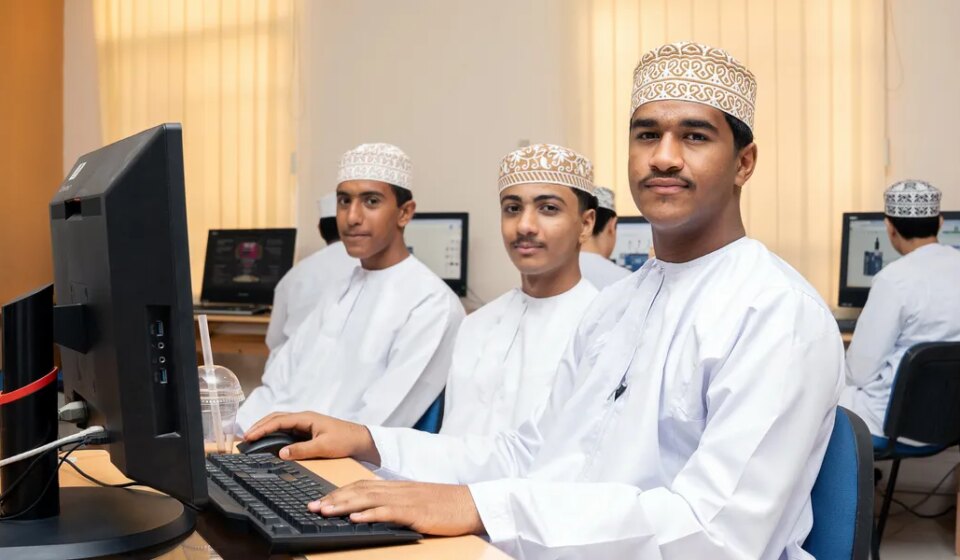
A global example worth noting: a recent expansion of university-led OnCampus workshops delivered short, practical experiences in AI, robotics, IoT and even quantum concepts to children and teenagers across multiple countries. These sessions introduced foundational tools, team projects, and industry visits – and participants reported strong satisfaction. That signal is important; it shows demand and an appetite for early practical learning. But the strategic question for enterprises, universities, and policy-makers is: what comes next?
Why early exposure matters – and where it usually falls short
Exposure reduces entry barriers: a 12‑15 year old who soldered a circuit or trained a tiny ML model has lower activation energy to pursue engineering. Practically, these programs widen the funnel for future engineers and introduce systems thinking early.
Yet exposure alone doesn’t address three persistent failures:
- No continuity: students often lack a clear path from a weekend workshop to sustained learning (projects, mentors, internships).
- No systems perspective: demos teach “how to” but rarely connect to operational constraints – reliability, data governance, or security – that define real engineering.
- No measurement: success is often self-reported satisfaction rather than longitudinal outcomes (course enrolment, project portfolios, apprenticeship uptake).
Architectural implications for the talent pipeline
As a Chief Architect, I view early STEM programs as the top of a capability stack that must be deliberately engineered. Think in layers:
- Foundation layer: modular curricula aligned to progressive competencies (hardware labs → embedded systems → data pipelines → ML lifecycle).
- Mentorship and apprenticeship layer: university-industry bridges that convert interest into internships, open-source contributions, and micro‑credentials.
- Operational literacy layer: introduce basics of software lifecycle, testing, observability, and ethical constraints early – not as electives but integrated into projects.
- Infrastructure layer: affordable, maintainable lab infrastructure (shared cloud credits, local device pools, low-cost edge kits) that can scale without heavy OPEX.
Trade-offs to manage
There’s a classic tension: breadth versus depth. Short programs can expose many students but with fleeting depth; deep programs build fewer, more capable graduates. My view: adopt a funnel strategy – wide initial exposure, with clearly signposted accelerated tracks (micro‑courses, mentor cohorts) for committed students. That requires strategic investment in follow-through rather than more one-off events.
Privacy, safety and inclusion – non-negotiables
Programs involving minors must bake in data protection, parental consent, and safe online practices. Architectures used for learning (cloud labs, shared datasets) should default to privacy-preserving defaults and minimal data retention. Inclusivity must address connectivity and language; otherwise, early advantage consolidates privilege.
A practical playbook for universities and enterprises
- Design a progression map: five checkpoints from “first contact” to “paid internship.”
- Sponsor mentor pools from industry that commit to quarterly cohorts, not single visits.
- Share standardized, low-cost lab blueprints so smaller institutions can replicate programs.
- Track outcomes year-over-year: course enrolment, GitHub projects, internship conversions.
- Embed ethics and operational resilience modules into every hands-on project.
Relevance to India’s regional ecosystems (brief)
For regions like Northeast India, this model is especially scalable: small universities can host hub-and-spoke labs; DST/STPI support plus industry mentorship can convert curiosity into local startups and talent retention. Frugal lab designs and DPI-compatible credentialing (micro‑certificates) make progress measurable and portable.
Takeaways
- Treat pre‑university programs as the first engineered layer of a talent stack, not marketing events.
- Design continuity: clear learning pathways, mentorship, and apprenticeship bridges.
- Build affordable shared infrastructure and measure longitudinal outcomes.
- Prioritize privacy, safety, and inclusion from day one.
Closing thought
Creating the next generation of engineers is not a festival of demos – it is a systems design problem. If we architect the learning pathway with the same rigor we ask of our software, the spark of a weekend workshop will more often become the ember that builds a career.
About the Author: Sanjeev Sarma is the Founder Director and Chief Software Architect at Webx Technologies. With a core focus on Generative AI integration, Cloud-Native Scalability, and Enterprise Software Architecture, he has spent over two decades driving digital transformation across Northeast India and beyond. Beyond his corporate leadership, Sanjeev is deeply invested in shaping the future of the IT industry. He serves as an Industry Expert on the Board of Studies for Assam Don Bosco University’s School of Technology, advises state technology committees, and actively mentors emerging tech startups at STPI. He brings a unique, dual perspective of high-level enterprise execution and future-ready academic curriculum development.