Stunning Revelation: 1 in 7 Young Stroke Patients in India – Shocking ICMR Study Uncovers Alarming Trends

One in seven stroke patients in India is aged between 18 and 44, while nearly 40% arrive at hospitals more than 24 hours after experiencing symptoms, according to a recent study by the Indian Council of Medical Research (ICMR), published in the International Journal of Stroke. This research highlights significant challenges in acute stroke care, including delayed hospital admissions, limited access to advanced treatments, and insufficient follow-up care. Stroke continues to pose a major public health challenge, often resulting in poor patient outcomes.
The study analyzed 34,792 registered stroke cases from 30 hospitals between January 2020 and December 2022. It found that women represented 36.6% of the cases, with ischemic strokes accounting for 60% of all incidents. Alarmingly, only 20.1% of patients sought medical help within 4.5 hours of symptom onset, while 37.8% sought care over 24 hours later. The most common initial symptoms identified were motor impairment, affecting 74.8% of patients, and speech disturbances, which impacted 51.2%.
The first hour after stroke symptoms begin, often referred to as the “golden hour,” is critical for effective intervention. Specialized treatments like mechanical thrombectomy can be effective for select patients up to 24 hours post-symptom onset. The analysis also revealed that the largest share of cases occurred in the 45-64 age group, while a concerning 13.8% of cases involved individuals aged 18-44. This trend reinforces previous findings indicating that strokes in India generally occur at a younger age than in Western countries.
Hypertension emerged as the leading risk factor in nearly three-quarters of all cases, affecting men and women alike. For men, additional risk factors included tobacco smoking, alcohol consumption, diabetes, and anemia. Women, on the other hand, exhibited higher prevalence rates of diabetes and smokeless tobacco use, alongside hypertension and anemia.
The study also pointed out critical gender differences in risk profiles. Hypertension and diabetes were particularly prevalent among women, whereas men showed higher rates of tobacco smoking and alcohol use alongside hypertension.
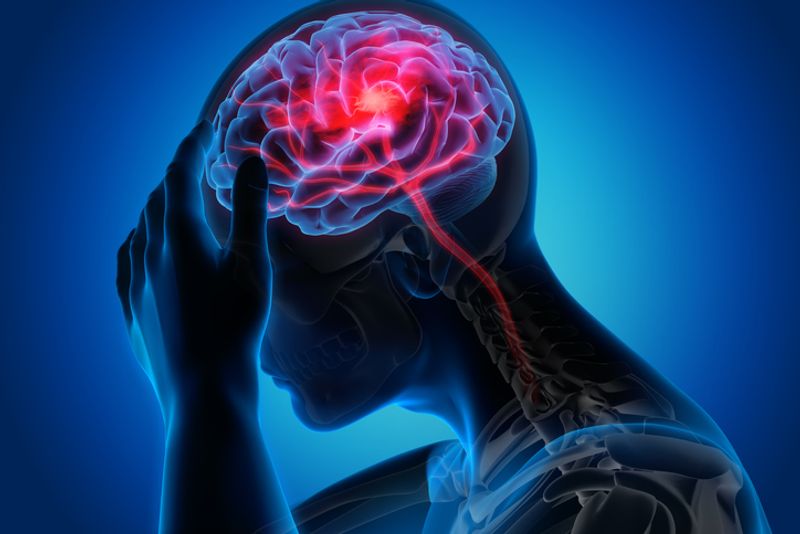
Strokes can be classified as ischemic or hemorrhagic. Ischemic strokes occur when blood supply to a part of the brain is blocked or diminished, depriving brain tissue of essential oxygen and nutrients, which can lead to cell death within minutes. In contrast, hemorrhagic strokes happen when a blood vessel in the brain leaks or ruptures, resulting in bleeding in or around the brain.
The study’s findings underline the urgent need to address delays in response and treatment for stroke patients in India to improve health outcomes. Greater public awareness and access to swift medical care can significantly alter the outcomes for individuals experiencing strokes, transforming the current landscape of stroke care in the country.
Categories: Health, Stroke Awareness
Tags: Stroke, India, Health Care, ICMR, Stroke Symptoms, Hypertension
Original Source: https://www.tribuneindia.com/news/top-headlines/1-in-7-stroke-patients-in-india-in-18-44-age-group-icmr-study-2/
Category :
Tags:
Publish Date: 2026-04-28 02:55:00