Struggling to Survive: Delhi’s Eateries Face Dire LPG Cylinder Crisis Despite Government Promises

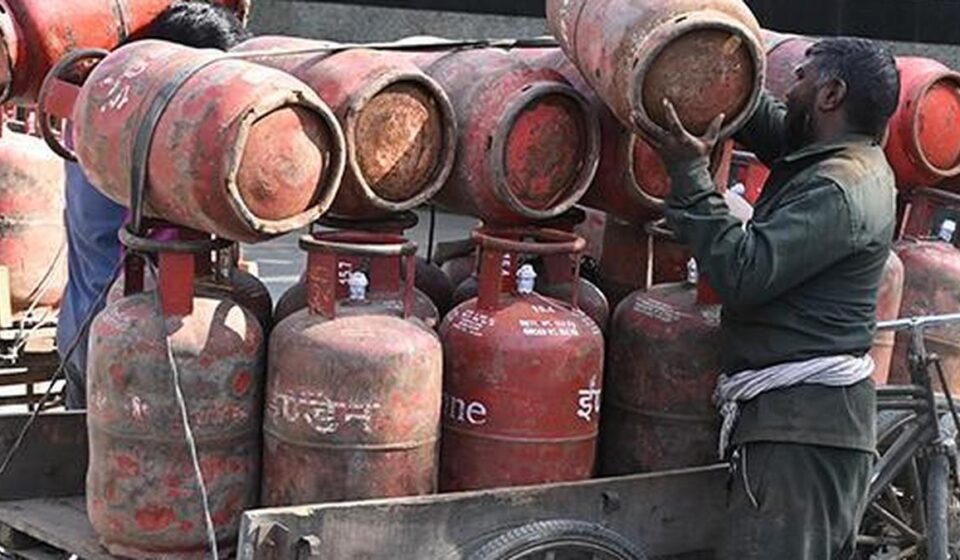
Delhi and multiple regions across India are grappling with a notable LPG gas cylinder crisis, marked by severe supply shortages, extensive queues at distribution points, and soaring black market prices. These challenges are largely attributed to ongoing supply chain disruptions in the Strait of Hormuz, causing significant strain on availability.
Despite assurances from the Delhi government that LPG supplies remain stable, on-the-ground realities paint a starkly different picture. Spot checks by The Hindu reveal that many restaurant owners are resorting to paying inflated prices on the black market to secure gas cylinders. This surge in costs is compounding financial pressures on eateries, with menu prices for a range of items-including everything from tea to dal makhani-seeing increases of approximately 15-20%. Owners express concern that these price hikes are likely to persist, regardless of any resolutions in the geopolitical landscape.
On April 13, Chief Minister Rekha Gupta claimed that the cooking gas distribution system in the city was operating “smoothly” and asserted that “adequate stock is available at all times.” However, data from the Chief Minister’s Office indicates otherwise: out of the daily allocation of 6,480 LPG cylinders (weighing 19 kg each) for commercial use, the average daily consumption over the past week was just 4,268 cylinders. This discrepancy suggests that supply is not meeting actual demand as presented by government statements.
The crisis has raised alarms among various stakeholders, including restaurant owners who are facing inflated operational costs due to the unavailability of affordable LPG. The black market phenomenon is not only driving prices up but also creating a sense of uncertainty among businesses that rely heavily on gas for their cooking needs. Reports indicate that as businesses grapple with this situation, consumers may also feel the ripple effects, as higher operational costs are typically passed down to customers.
Further complicating the issue is the broader context of supply chain vulnerabilities exacerbated by geopolitical tensions in major oil transit routes. This has led to widespread anxiety among both businesses and consumers, who are now questioning the viability of LPG supplies in the near future.
As the government asserts that supplies are adequate, the real experiences of individuals and businesses tell a different story. With escalating costs and potential shortages looming, the need for a viable solution has never been more urgent. Stakeholders across the board are calling for government intervention to stabilize prices and ensure a steady supply of LPG to mitigate the impact of these rising costs on everyday life.
In summary, Delhi’s gas cylinder crisis highlights a significant disconnect between government assurances and the realities faced by consumers and businesses. As the situation evolves, it remains crucial for authorities to address these concerns, ensuring that the necessities for cooking and food preparation remain accessible and affordable for all.
Original Source: https://www.thehindu.com/news/cities/Delhi/despite-govts-claims-delhis-eateries-continue-to-struggle-to-get-lpg-cylinders/article70908858.ece
Category : Delhi
Tags:
Publish Date: 2026-04-27 09:43:00