Protect Our Future: Urgent PIL Plea Seeks Ban on Toxic Chemicals in Sanitary Pads and Baby Diapers in Madras High Court

The Madras High Court has requested a response from the central government regarding a public interest litigation (PIL) aimed at banning the use of carcinogenic and hazardous chemicals in the production of sanitary napkins, tampons, panty liners, and baby diapers. The First Division Bench, comprising Chief Justice Sushrut Arvind Dharmadhikari and Justice G. Arul Murugan, issued notices to the Union Ministries of Health and Family Welfare and Textiles after considering arguments presented by the petitioner’s counsel.
The case was filed by Chennai-based advocate S. Subadra, who is pushing for the formulation of regulations that ensure full transparency regarding the raw materials used in these menstrual and hygiene products. During court proceedings, Subadra highlighted that individuals who menstruate spend approximately 60,000 hours of their lives on menstrual cycles. This significant period necessitates the use of non-toxic materials in sanitary pads to prevent harmful substances from entering the body.
Over the years, sanitary pads have evolved from cloth and cotton to modern designs featuring superabsorbent materials. Initially made from flannel, they transitioned to gauze and cotton, eventually incorporating cellulose for better absorption. Further advancements led to the introduction of beltless pads with adhesives, and more recently, fragrances have been added to enhance user experience. However, these developments have also seen an increase in plastic use, which predominantly features in the construction of contemporary sanitary products.
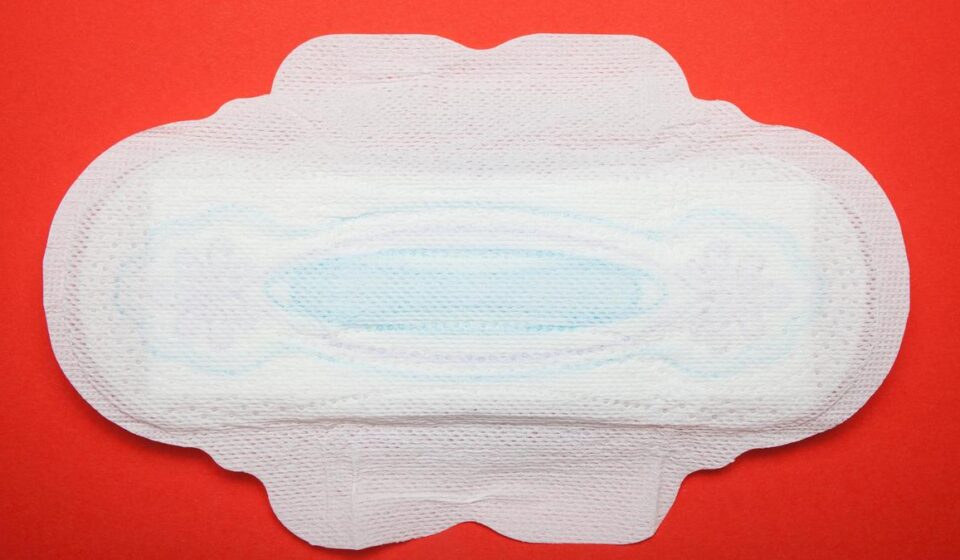
Subadra’s petition notes that a typical sanitary pad comprises four components: a fluid-permeable top sheet, an absorbent core, an acquisition layer, and an impermeable backing. She underlines that the primary material in many commercially available pads is plastic. “Manufacturers often include various chemicals to improve functionality and aesthetics. Synthetic plastics enhance absorbency and provide softness,” her affidavit claims.
Health experts have raised concerns regarding the impact of these plastic materials on women’s health, asserting that they may disrupt the vaginal microbiome and lead to issues such as urinary tract infections and skin irritations. Subadra highlighted problematic additives, including bisphenol, parabens, and triclocarban, which are recognized as endocrine-disrupting chemicals. She emphasized the link between parabens and breast cancer, along with the negative impact of Bisphenol A (BPA) on germ cell viability.
The court was informed that Toxics Link, a New Delhi-based environmental nonprofit, recently published a report revealing harmful chemicals in popular sanitary napkin brands in India. This report sparked questions in the Lok Sabha, where MP Kanimozhi asked the Union Minister of State for Health and Family Welfare, Anupriya Patel, whether the government was aware of this study and if there were regulations concerning permissible chemical levels in sanitary products.
In response, Patel mentioned that the Bureau of Indian Standards has established standards for sanitary napkins but acknowledged that these requirements need updating. Subadra urged the court to mandate revisions to these standards, advocating for stricter regulations that would prohibit hazardous chemicals in sanitary products.
This developing story underlines a growing concern about the safety and health implications of menstrual and hygiene products, highlighting the call for greater regulation in an industry that impacts millions of women across India. As the case progresses, its outcome may reshape the standards governing the production and safety of these essential items.
Tamil Nadu
Tags: sanitary pads, health regulations, public interest litigation, toxic chemicals
Original Source: https://www.thehindu.com/news/national/tamil-nadu/ban-use-of-toxic-chemicals-in-sanitary-pads-baby-diapers-pil-plea-in-madras-high-court/article70786964.ece
Category : Tamil Nadu
Tags:
Publish Date: 2026-03-26 15:46:00