U.S. Grants 30-Day Sanctions Waiver for Iranian Oil Sales at Sea: A Bold Move Amidst Rising Tensions

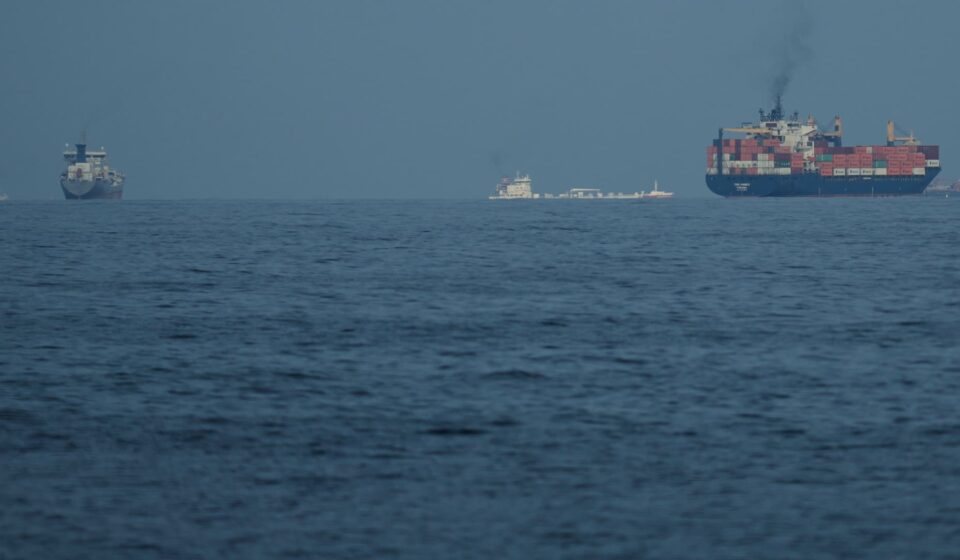
Ships have gathered in the Strait of Hormuz, visible from Khor Fakkan in the United Arab Emirates, amid heightened geopolitical tensions as the U.S.-Israeli conflict with Iran continues to unfold. In response to energy supply disruptions caused by the ongoing war, the Trump administration has issued a 30-day sanctions waiver for the purchase of Iranian oil at sea. U.S. Treasury Secretary Scott Bessent announced the waiver as a crucial step to ease pressures on global energy supplies.
This marks the third time in just two weeks that the U.S. has temporarily relaxed sanctions. Earlier, the administration had also eased restrictions on Russian oil. The newly announced general license permits the sale of Iranian crude oil and petroleum products loaded onto vessels from March 20 to April 19, as detailed in a statement on the Treasury Department’s website.
“By temporarily unlocking this existing supply for the world, the United States will quickly bring approximately 140 million barrels of oil to global markets,” Bessent stated in a recent update on X. He emphasized that this move aims to alleviate supply pressures exacerbated by Iran’s actions in the region. The release of these Iranian barrels is viewed not only as a means to stabilize prices but also as a strategic maneuver in what the administration has termed Operation Epic Fury.
The admin’s approach underscores a dual strategy: addressing immediate energy supply issues while exerting economic pressure on Iran. By making Iranian oil available in the market, the U.S. seeks to ensure that global prices remain stable amid fluctuating geopolitical dynamics. This proactive measure could mitigate the risk of further price hikes that often accompany military conflicts.
As the situation develops, industry analysts are closely monitoring market reactions to the increased availability of oil. Experts agree that the influx of Iranian crude could significantly influence oil prices in the coming weeks, potentially providing temporary relief to consumers and businesses alike.
These developments come at a time when energy security is paramount for many nations worldwide, particularly those dependent on Middle Eastern oil supplies. The U.S. administration’s decision to waive sanctions aims to strike a balance between supporting allies in the region while addressing global energy needs.
As the conflict continues and the geopolitical landscape shifts, the role of oil as both a strategic asset and a tool of foreign policy remains critical. The U.S. government’s clarity on its intentions and actions will be vital for stakeholders across the global energy market, from consumers to corporate leaders, as they navigate these turbulent times.
The U.S. move to ease sanctions is a reflection of the complexities involved in managing international energy supplies amid conflict. The ongoing dynamic in the Strait of Hormuz will be a focal point for energy markets, particularly as tensions persist. In the coming weeks, the world will likely watch closely to see how these developments play out and their implications for both regional stability and global oil prices.
As this story continues to evolve, staying informed through trusted news sources will be essential for grasping the full impact of these geopolitical shifts on the energy sector and beyond.
Categories: U.S. Politics, International Relations, Energy
Tags: Iranian Oil, U.S.-Israeli Conflict, Sanctions Waiver
Original Source: https://www.cnbc.com/2026/03/20/us-issues-30-day-sanctions-waiver-for-sale-of-iranian-oil-at-sea.html
Category :
Tags:
Publish Date: 2026-03-21 06:38:00