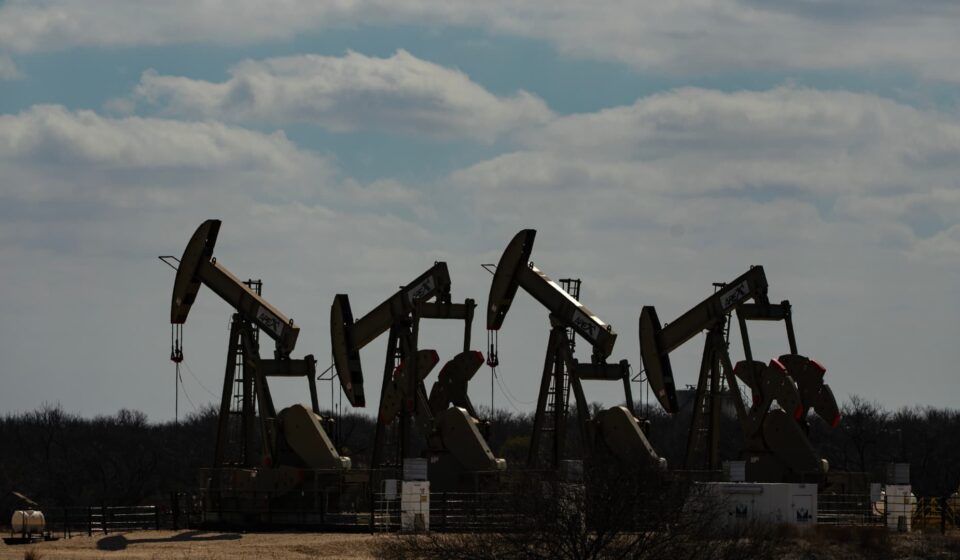

Oil prices have surged dramatically in recent days, with West Texas Intermediate futures skyrocketing by an unprecedented 35%, raising alarms about potential economic impacts. According to a recent report from Bank of America (BofA), if oil prices remain above $100 a barrel for an extended period, the U.S. economy could experience significant shocks. On Friday, U.S. crude closed at $90.90 a barrel-an alarming figure that BofA’s global economist Claudio Irigoyen identifies as the tipping point for “non-linear” economic effects.
Irigoyen expressed his concerns, noting that while the current status quo may lead to fewer inflation worries linked to oil, persistent prices above the $100 mark could become increasingly problematic. He highlighted that higher-income consumers, who are currently driving spending trends, could pull back if rising oil prices lead to a downturn in the stock market. This scenario could exacerbate economic challenges, particularly for lower-income households that are already struggling with escalating costs.
The national average price of gasoline has risen sharply, marking its most significant three-day increase since 2008. Recent data from AAA shows that the average cost per gallon reached $3.25 on Thursday, a notable 27-cent rise from the previous week. Irigoyen warned that as energy prices climb, lower-income consumers may face a further erosion of their real spending power. This scenario could lead to increased delinquencies on obligations such as credit cards and car loans, ultimately affecting their ability to spend.
Moreover, rising energy costs could create hurdles for capital investments in artificial intelligence, a sector that plays a pivotal role in driving GDP growth. BofA’s forecasts for economic expansion have been buoyed by anticipated investments in data centers from leading technology firms like Microsoft and Alphabet (Google’s parent company). However, Irigoyen cautioned that any delays in these projects, triggered by soaring energy prices, would negatively impact growth.
He further estimated that a sustained rise in oil prices above $100 per barrel could reduce GDP growth by over 0.60 percentage points. Should prices double, the possibility of a recession becomes more likely, showcasing the intricate relationship between energy costs and economic stability.
In summary, as oil prices escalate following recent geopolitical events, the ramifications for U.S. consumers and the economy could be profound. While high-income households may initially absorb some of the shocks, the long-term effects on lower-income consumers could exacerbate existing financial strains and slow down overall economic growth. As we continue to monitor these developments, the consequences of sustained high oil prices warrant close attention from both policymakers and consumers alike.
Original Source: https://www.cnbc.com/2026/03/07/will-iran-war-fallout-end-the-bull-market-when-investors-need-to-worry.html
Category :
Tags:
Publish Date: 2026-03-07 19:11:00