Celebrating 40 Years of American Girl: Unleashing Empowerment and Imagination in a New Era of Dolls!

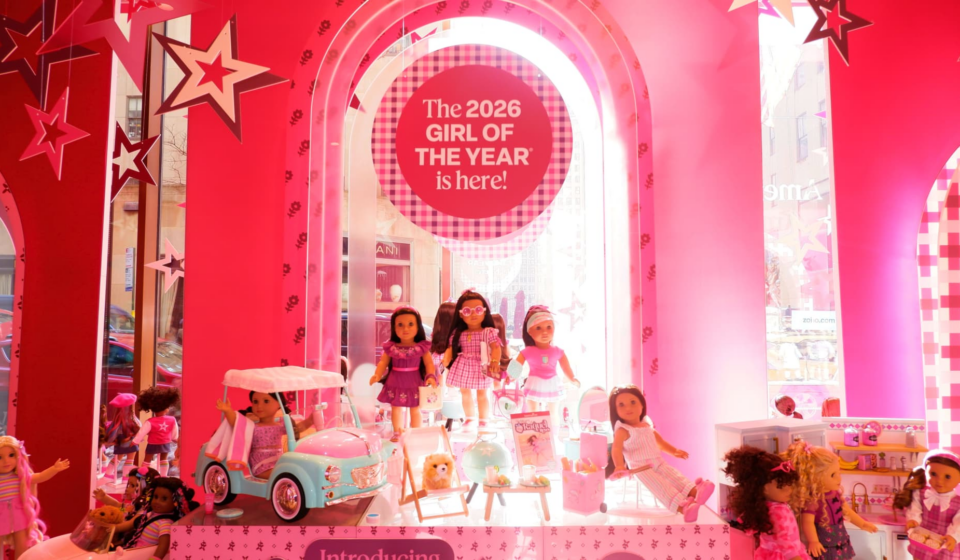
The American Girl brand is celebrating its 40th anniversary with a nostalgic look back at its original six historical characters: Kirsten Larson, Samantha Parkington, Molly McIntire, Felicity Merriman, Addy Walker, and Josefina Montoya. These dolls continue to draw crowds to the flagship American Girl Place in Rockefeller Center, New York City, where the ambiance feels almost enchanting. With the scent of vanilla in the air, young girls eagerly navigate through doll displays while clutching miniature outfits and accessories, all under the glow of glittering chandeliers.
Despite this festive atmosphere, the American Girl brand faces significant challenges in the modern market. Once a powerhouse that generated over $600 million in annual sales, figures have dwindled to around $200 million in recent years. Jaime Katz, a Morningstar analyst covering Mattel, the parent company of American Girl, noted that the anniversary comes at a pivotal moment. “Kids are more digital in play, and the brand has struggled,” she explained. This decline in sales highlights a transition during which children’s interests have shifted towards digital platforms, gaming subscriptions, and short-form video content.
In the years leading up to the pandemic, American Girl reduced its retail presence from 15 stores in 2019 to just seven locations today, all while fighting against cheaper alternatives found at big-box retailers like Target. The cost of an American Girl doll starts at $135, excluding accessories, which have become increasingly difficult for many families to justify in a tightening economic climate. Katz added, “Parents are more selective about discretionary spending right now. That price point looks steep to many households.”
The entire toy industry is grappling with how to entice children away from handheld devices. The definition of a “toy” has evolved; now, smart devices like iPads and gaming consoles directly compete with traditional dolls. Furthermore, pressures from activist investors like Barington Capital are prompting Mattel to rethink its brand portfolio amid declining sales for American Girl and Fisher Price.
While the sales figures tell a challenging story, inside the Rockefeller Center store, the brand’s emotional pull remains strong. Visitors still connect deeply with the characters, each representing historical moments and life lessons. Lisa Kandoski reminisced about her childhood experience with Molly McIntire, saying, “It’s not just a doll… she taught me that you could be brave even when the world was scary.”
American Girl’s unique model, which combines storytelling with its doll offerings, has fostered lasting loyalty among fans. The brand’s characters are linked to significant social issues, offering messages of inclusivity and empowerment. To commemorate its anniversary, American Girl plans to launch modernized versions of its original characters while also expanding its reach with new digital initiatives and adult-targeted products, like a forthcoming book centered on Samantha Parkington.
As Mattel navigates these modern challenges, the key will be balancing nostalgia with innovation. The question remains: how can the brand extend its emotional appeal into new generations while adapting to the evolving landscape of play? American Girl’s ongoing efforts to engage both children and adults indicate its commitment to retaining relevance in a crowded marketplace, as it seeks to strike a balance between honoring its rich history and appealing to contemporary audiences.
Original Source: https://www.cnbc.com/2026/02/22/american-girl-40th-anniversary-sales-mattel.html
Category :
Tags:
Publish Date: 2026-02-22 18:30:00