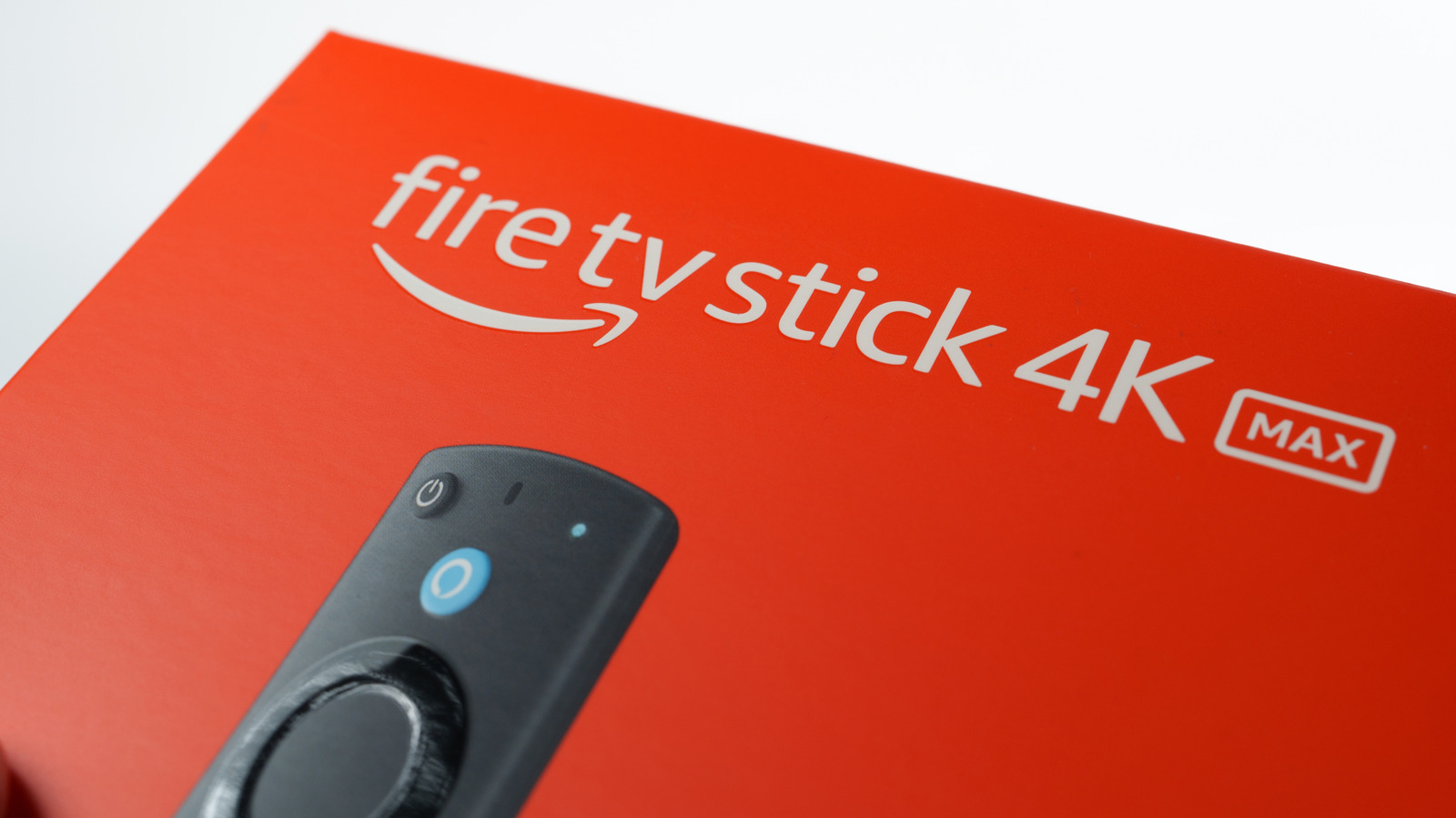

Embracing Smart Technology: The Case for Amazon Fire TV Stick
In an age where our devices barely keep up with our rapidly evolving content consumption habits, it’s worth contemplating the underlying strategy behind technology adoption. Are we merely upgrading for the sake of novelty, or are we investing in tools that enhance our overall experience? This applies succinctly to the discussion around devices like the Amazon Fire TV Stick.
Context
The Fire TV Stick, an affordable solution for enabling smart functionalities on older televisions, comes with a bevy of features worth considering. Its seamless integration of cloud gaming via Amazon Luna, upgraded software capabilities, and the enhanced user experience through the Fire TV mobile app all serve as compelling arguments for why it might be a worthwhile addition even for users with existing smart TVs.
Analysis
The introduction of devices like the Fire TV Stick serves as a stark reminder of the importance of software longevity and system integration in today’s digital landscape. While built-in smart TV systems can initially provide a satisfactory user experience, they often lag behind as software updates become less frequent and performance standards rise. The Fire TV Stick is not just a piece of hardware; it’s a strategic move towards a more agile digital ecosystem.
From an enterprise architecture perspective, decision-makers must weigh the trade-offs between building new capabilities within existing environments and integrating new solutions. The Fire TV Stick embodies a “Buy versus Build” mindset, highlighting a crucial decision for technology leaders. Short-term fixes can result in long-term symptoms of technological debt. Opting for well-supported external solutions can mitigate the risks associated with aging systems, allowing for immediate scalability and functionality.
In an era where cyber threats loom large, platforms like Fire OS actively receive regular security patches, thus safeguarding users from vulnerabilities that older, unsupported devices may face. This underscores the broader principle of maintaining a Zero Trust approach in enterprise security-balancing accessibility with protection.
The Localization: A Digital Infrastructure Imperative
In areas like Northeast India, where internet connectivity can be sporadic, solutions like the Fire TV Stick present a vital bridge to a richer media landscape. The challenge of maintaining resilient infrastructure while enhancing digital experiences is paramount. As technology providers push for solutions that are both innovative and user-friendly, it’s essential to approach problem-solving with a mindset of frugal innovation.
Incorporating devices that facilitate smoother navigation and access to cloud gaming or streaming can act as a catalyst for digital engagement among communities that may otherwise be left behind. They serve to democratize access to information and entertainment, thereby reinforcing the values of equality and opportunity.
Takeaways
- Watch for Upgrades: Regular software updates are crucial. Devices that receive ongoing support will perform better and remain secure longer.
- Build vs. Buy: Carefully evaluate the costs and benefits of integrating external solutions like the Fire TV Stick versus upgrading legacy systems.
- User Experience Matters: Technology should simplify, not complicate, user engagement. Tools that enhance usability can significantly improve customer satisfaction and retention.
- Local Connectivity is Key: In regions with limited infrastructure, smart devices can drive digital inclusion and enhance quality of life.
Closing Thought
As we advance technologically, let us remain mindful of how our choices shape user experiences and digital landscapes. The strategic decisions we make today will not only define our operational efficiencies but also impact the accessibility and democratization of technology in the future.
About the Author
Sanjeev Sarma is the Founder Director of Webx Technologies Private Limited, a leading Technology Consulting firm with over two decades of experience. A seasoned technology strategist and Chief Software Architect, he specializes in Enterprise Software Architecture, Cloud-Native Applications, AI-Driven Platforms, and Mobile-First Solutions. Recognized as a “Technology Hero” by Microsoft for his pioneering work in e-Governance, Sanjeev actively advises state and central technology committees, including the Advisory Board for Software Technology Parks of India (STPI) across multiple Northeast Indian states. He is also the Managing Editor for Mahabahu.com, an international journal. Passionate about fostering innovation, he actively mentors aspiring entrepreneurs and leads transformative digital solutions for enterprises and government sectors from his base in Northeast India.