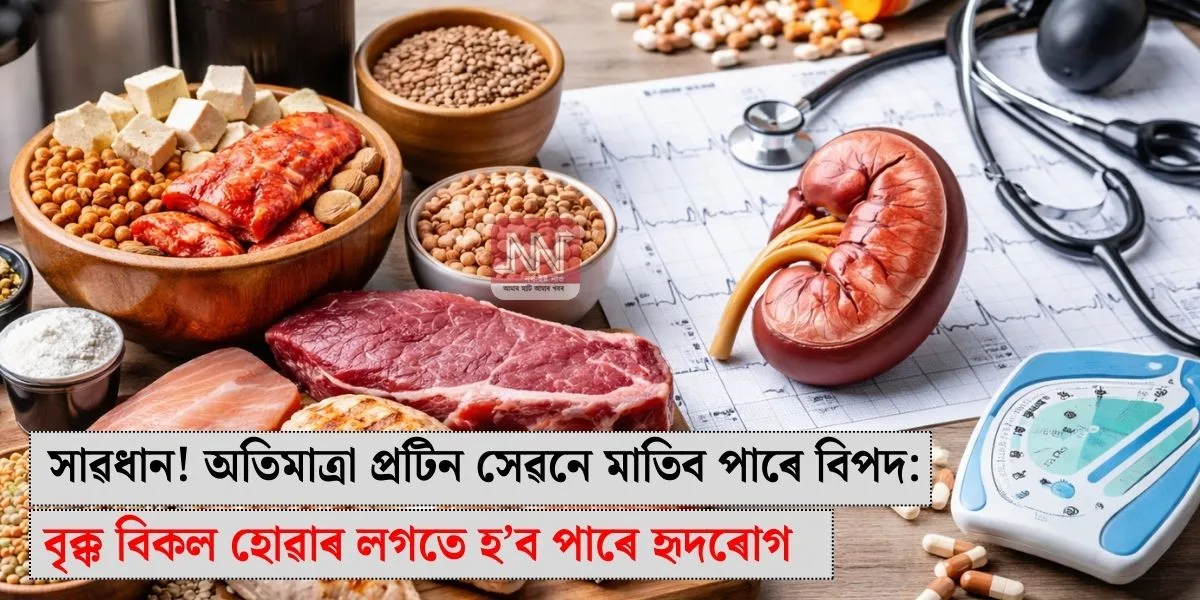

In today’s health-conscious society, high-protein diets have become a significant trend. Whether it’s young adults hitting the gym or individuals looking to lose weight, protein has become a top choice for many. Influenced by social media and promotional content from various supplement companies, there’s a common belief that increased protein leads to more energy and a better physique. However, recent studies and expert opinions have shed light on the potential downsides of consuming too much protein.
Protein is essential for muscle development, tissue repair, hormone production, and a robust immune system. Despite its importance, relying solely on protein without expert guidance can be counterproductive. Faraha Shanam, a senior nutritionist at Delhi’s Ganga Ram Hospital, warns that the body requires a balanced diet that includes carbohydrates, fats, vitamins, and fiber, not just protein.
Experts highlight four major dangers of excessive protein intake. Firstly, too much protein can put undue stress on the kidneys. When protein is broken down, it produces urea and nitrogenous waste that the kidneys filter out. An increased protein load can lead to overworking the kidneys, potentially causing kidney failure or even requiring dialysis. Secondly, high protein consumption can lead to dehydration. The body needs more water to eliminate the by-products of protein metabolism, causing frequent urination and feelings of dehydration, which can result in headaches and fatigue. Thirdly, excessive protein can weaken bones due to calcium loss. The resulting acid buildup from a high-protein diet forces the body to draw calcium from bones, leading to osteoporosis and higher fracture risks in the future. Lastly, experts caution that a diet focused solely on protein can increase the risk of heart disease. This imbalance can block arteries and nerves, potentially leading to heart attacks.
According to dietitian Faraha Shanam, individual protein needs depend on a person’s weight and level of physical activity. For the average person, the recommended amount is 0.8 grams of protein per kilogram of body weight. For instance, a person weighing 60 kilograms would need about 48 grams of protein daily. For those engaged in heavy lifting or rigorous physical labor, a slightly higher intake may be necessary. Overall, it is advisable to seek a balanced diet rather than chasing protein for optimal health.
Original Source: https://assam.nenow.in/excess-protein-intake-health-risks-kidney-failure-heart-disease-warning/
Category: জীৱনশৈলী,শীর্ষ সংবাদ,স্বাস্থ্য
Tags:
Publish Date: 2026-02-03 06:43:00