
From The Gambia’s legal team, Jessica Jones emphasized the longstanding hate speech and denigration faced by the Rohingya at the hands of Myanmar’s military. Referencing a disturbing video posted on Facebook in August 2017, she revealed how a soldier incited genocidal violence, stating, “We will clear the villages where those animals live. We have guns, we have bullets. That’s what we came with, with ammunition and the spirit to attack the animals.” This rhetoric starkly contravenes Myanmar’s obligations under the 1948 Genocide Convention.
The Gambia, a predominantly Muslim nation, has brought forth allegations claiming that Myanmar’s military committed heinous acts of genocide against the Rohingya between 2016 and 2018 in northern Rakhine State. The reported violations include mass executions and the indiscriminate killings of an estimated 10,000 civilians-many of whom were women and children. The military’s actions also extended to widespread sexual violence and the systematic destruction of hundreds of villages.
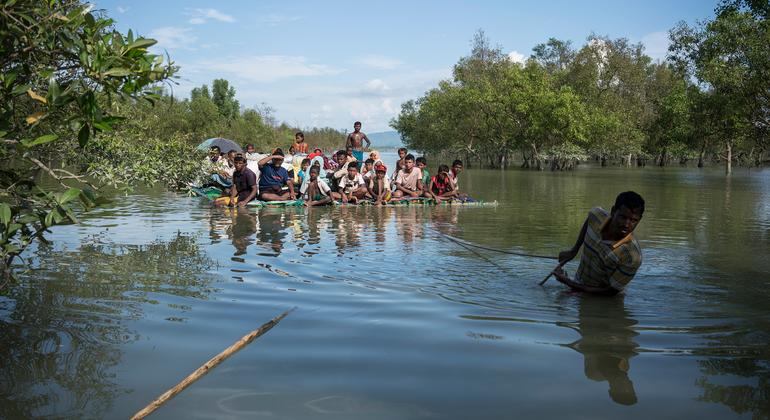
In 2017, the then United Nations High Commissioner for Human Rights, Zeid Ra’ad Al-Hussein, characterized the violence against the Rohingya as “textbook ethnic cleansing.” This brutal campaign led to approximately 700,000 Rohingya fleeing to neighboring Bangladesh, where they continue to live in precarious conditions.
In 2020, the International Court of Justice (ICJ) responded to a request from The Gambia, ordering Myanmar to halt its genocidal actions. The Gambia is now pursuing accountability for Myanmar while seeking restitution and compensation for the victims of these atrocities. Despite the overwhelming evidence, Myanmar has consistently denied any deliberate persecution of the Rohingya, framing its military operations as necessary counter-insurgency measures.
This landmark case holds significant implications as it marks the first instance where the ICJ is deliberating on a dispute brought forth by a nation not directly affected by the alleged crimes. Next week, the court will hear testimonies from three Rohingya witnesses, each sharing their harrowing experiences as “members of the wrong group at the wrong time and the wrong place.” Philippe Sands of The Gambia highlighted the weight of their accounts, which detail witnessing the killings of their loved ones.
The ICJ serves as the United Nations’ principal judicial body, tasked with resolving legal disputes between states and offering advisory opinions on international law. While it does not prosecute individuals, it is responsible for determining state accountability in matters of grave international concern.
The hearings in The Hague are set to continue until January 29, further drawing attention to the pressing issue of Rohingya rights and the urgent need for justice. As this significant legal battle unfolds, the world watches closely, hoping to see a measure of accountability for the atrocities committed against a vulnerable population.
Categories: World News, Human Rights, Legal Affairs
Tags: Rohingya, Myanmar, Genocide, International Court of Justice, The Gambia, Ethnic Cleansing
Original Source: https://news.un.org/feed/view/en/story/2026/01/1166764
Category :
Tags:
Publish Date: 2026-01-15 17:30:00