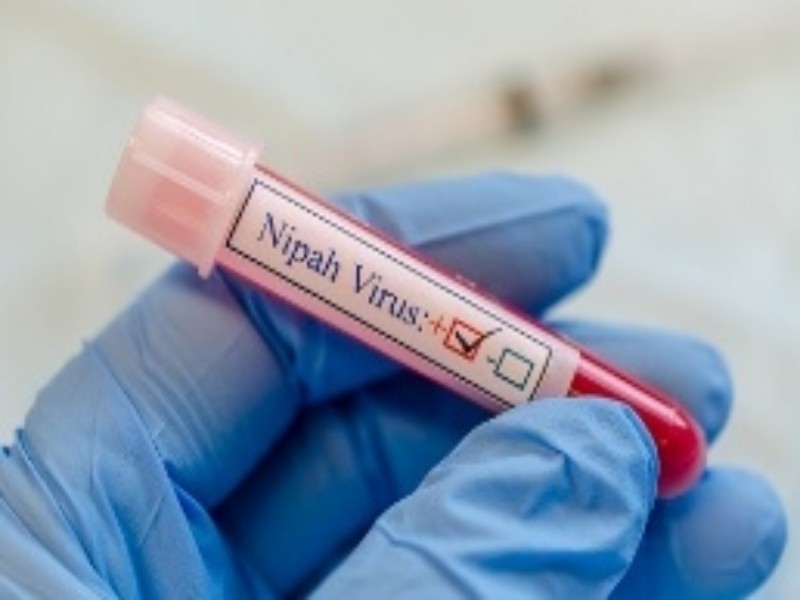

The detection of two suspected Nipah virus cases in West Bengal has raised alarms among health authorities, prompting the Indian government to deploy a National Joint Outbreak Response Team aimed at containment and public health measures. Healthcare professionals emphasize the virus’s rarity and unpredictability, noting that it can be deadly if not addressed promptly.
Dr. Rakesh Pandit, an expert in infectious diseases, explained that Nipah is a zoonotic virus, meaning it can be transmitted from animals to humans. “Fruit bats are the natural carriers of the virus. Infection can occur through contaminated food or direct contact with infected individuals,” he stated. Historical outbreaks have indicated that Nipah can also spread from human to human, especially in healthcare and domestic settings. Symptoms range from fever and respiratory issues to severe neurological complications, including encephalitis, which is a serious inflammation of the brain.
Although Nipah does not spread as quickly as airborne viruses like Covid-19 or influenza, it remains highly contagious in close contact scenarios. Dr. Sushrut Ganpule, a consultant pulmonologist, pointed out the heightened risks for medical personnel and caregivers when strict infection control measures are absent. “Preventing secondary transmission relies on early detection and isolation. Past infections have shown a death rate of up to 75 percent, indicating its severe nature,” he said. Survivors may suffer long-term neurological effects, such as seizures and personality changes.
Experts underscore the importance of early diagnosis in managing Nipah outbreaks effectively. Dr. Aakaar Kapoor noted, “With Nipah, time is crucial. Initial symptoms may resemble a common viral fever, but red flags like neurological signs or difficulty breathing should not be overlooked. Swift lab confirmation enables timely patient isolation and contact protection.” He added that rigorous testing protocols are essential, as sample handling requires extreme care.
“Samples should undergo RT-PCR testing and involve close coordination with reference labs to prevent delays in case confirmation,” Dr. Kapoor emphasized. Such diagnostics help evaluate the extent of organ involvement, and early detection of issues in the lungs or brain can significantly influence treatment outcomes. In severe instances, Nipah can affect multiple organs; Dr. Vineet Malhotra, a urologist, explained that advanced cases may include kidney involvement, complicating the prognosis.
Currently, no approved vaccine or antiviral treatment exists for the Nipah virus. Management focuses primarily on alleviating symptoms and preventing complications. Dr. Pranjit Bhowmik remarked, “Presently, there is no antiviral medication or vaccine for treatment or prevention; care remains largely supportive.”
The Centre’s decision to closely monitor the situation reflects the virus’s history of sudden outbreaks and high mortality rates. “Vigilance, early diagnosis, strict isolation, and public awareness are vital to preventing a localized outbreak from evolving into a larger health crisis,” officials stated.
Original Source: https://www.morungexpress.com/as-bengal-logs-nipah-cases-doctors-advise-people-not-to-panic-exercise-caution
Category: India
Tags:
Publish Date: 2026-01-14 15:45:00