
Rethinking Trust: What We Shouldn’t Rely on Our Smart Assistants For
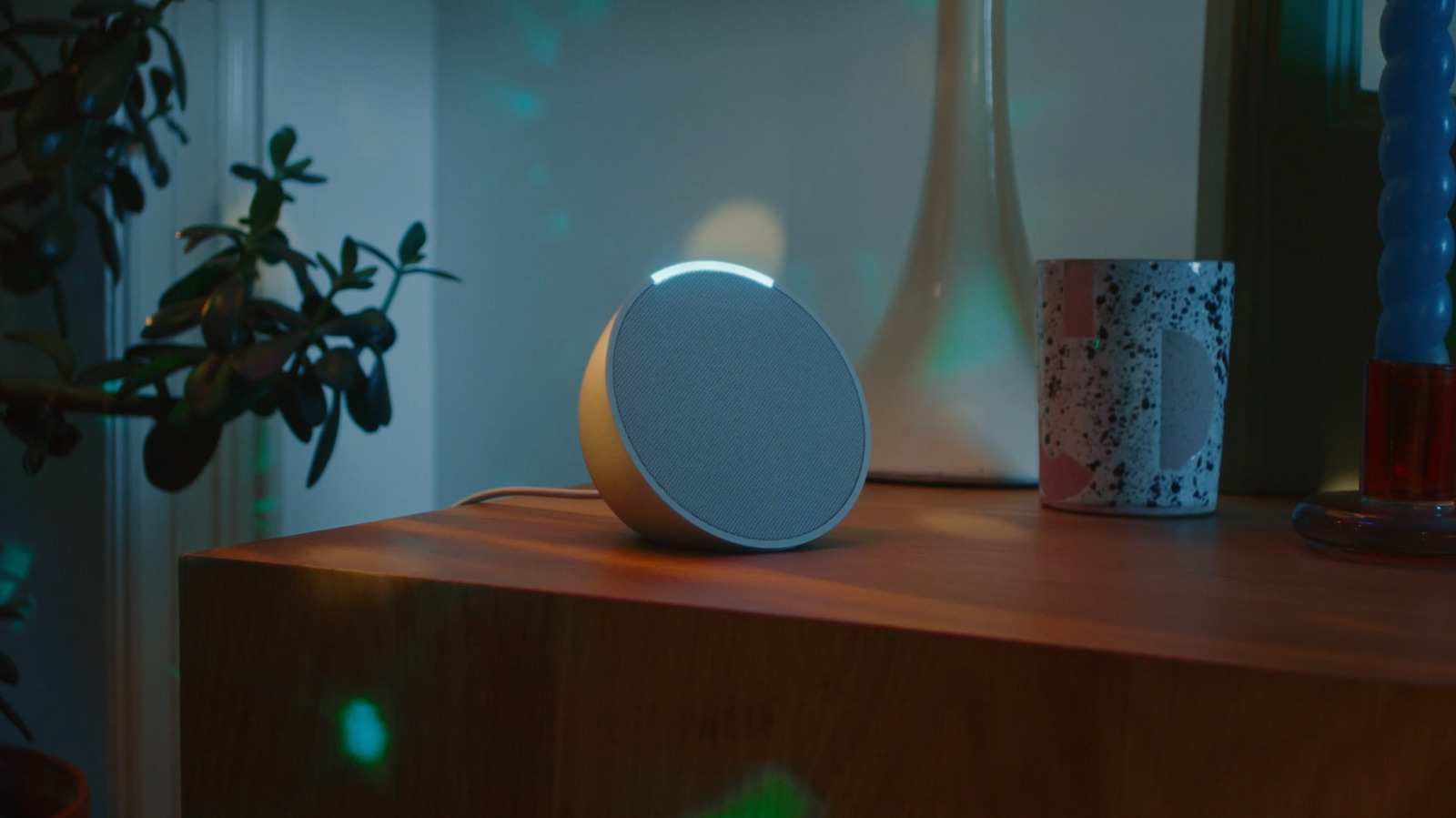
In an era where digital voice assistants like Alexa have become household staples, we often overlook the inherent limitations and risks associated with these technologies. Just as we wouldn’t entrust sensitive personal information to a casual acquaintance, it raises an important question: what boundaries should we maintain with our smart devices?
The insights gathered reveal that while voice assistants can augment daily tasks-setting reminders, playing music, providing weather updates-they should not be seen as reliable sources for sensitive or critical issues. This includes sharing personal information, seeking emergency assistance, and relying on them for legal or medical advice.
Context
The rise of smart home devices has redefined our interactions with technology. However, concerns persist regarding the potential misuse of shared data, the inaccuracy of provided information, and security vulnerabilities. The consensus suggests that while these devices might seem convenient, they are not infallible.
Analysis
From an enterprise architecture perspective, these challenges spotlight a crucial conversation about digital trust and security. As voice assistants evolve, organizations must prioritize user data protection and privacy. The reality is that investing in voice technology without a solid understanding of its limitations can create long-term liabilities.
Key trade-offs arise when considering the deployment of voice assistant technology. For instance, the lure of collecting extensive user data for improving machine learning models may compromise user privacy. Businesses must carefully evaluate the balance of immediate benefits against potential reputational risks and security threats. A Zero Trust approach, which treats every access attempt as potentially untrustworthy, is essential to safeguarding user information.
CTOs and founders should move toward rigorous validation and security checks while implementing voice technology solutions. Beyond compliance, organizations ought to build user-centric models that not only enrich experiences but also protect users’ rights and data integrity.
Takeaways
- Prioritize Privacy: Make data privacy a foundational aspect of your voice technology strategy.
- Implement Zero Trust: Design systems that continuously validate users and devices, enhancing security protocols around voice assistants.
- Lead with Transparency: Users should be transparently informed about how their data is used and protected.
- Test Limits: Regularly assess the capabilities of voice assistants to prevent overreliance on flawed data.
As we continue to integrate more technology into our lives, a shift in mindset is necessary. Relying on these smart assistants for critical information can lead to pitfalls, emphasizing the need for a more discerning approach.
Closing Thought
Trust is earned, not given freely. As we navigate this digital landscape, let us tread carefully, ensuring our systems not only enhance efficiency but also protect the sanctity of our personal and professional lives.
About the Author
Sanjeev Sarma is the Founder Director of Webx Technologies Private Limited, a leading Technology Consulting firm with over two decades of experience. A seasoned technology strategist and Chief Software Architect, he specializes in Enterprise Software Architecture, Cloud-Native Applications, AI-Driven Platforms, and Mobile-First Solutions. Recognized as a “Technology Hero” by Microsoft for his pioneering work in e-Governance, Sanjeev actively advises state and central technology committees, including the Advisory Board for Software Technology Parks of India (STPI) across multiple Northeast Indian states. He is also the Managing Editor for Mahabahu.com, an international journal. Passionate about fostering innovation, he actively mentors aspiring entrepreneurs and leads transformative digital solutions for enterprises and government sectors from his base in Northeast India.