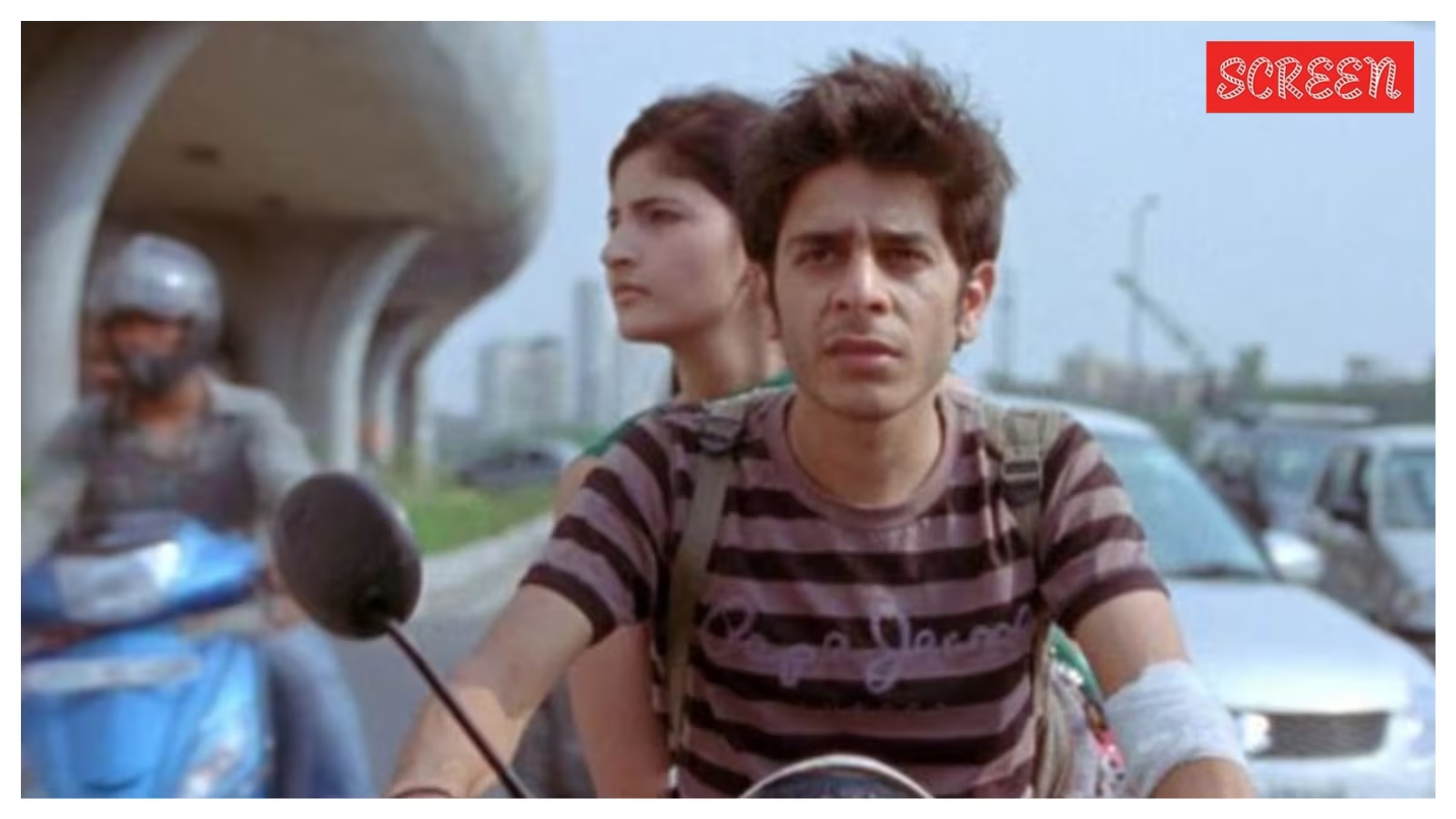

In 2015, Aditya Chopra’s Yash Raj Films (YRF) expanded its narrative horizon with a blend of projects, including the tender romance Dum Laga Ke Haisha and the gripping period thriller Detective Byomkesh Bakshy! directed by Dibakar Banerjee. The year culminated in a noteworthy venture: Titli, Kanu Behl’s acclaimed directorial debut. This independent film featured Ranvir Shorey, Amit Sial, and Lalit Behl, showcasing the inaugural performances of Shashank Arora and Shivani Raghuvanshi. Titli stood apart in YRF’s catalog, marking a shift in the studio’s backing of unconventional narratives.
Now, a decade later, Behl reflects on this impactful film in an exclusive interview, pondering its autobiographical essence and the current climate for small-scale films within the industry. He shared insights into the film’s title, Titli, stating that it was conceived early in the writing process. In Eastern Delhi’s neighborhoods, he explained, real names are often overshadowed by nicknames; for instance, Bawle’s real name, Pradeep, goes unheard throughout the film, just as Titli’s true name, Rohit, remains elusive. He believed that the title, which means “butterfly,” symbolized transformation, encapsulating the fragility of the protagonist.
When asked if Shyam Benegal’s Nishant impacted Titli, Behl rejected the idea, emphasizing that his inspiration stemmed from personal experiences and a compelling article about a gang of brothers involved in carjackings. This article was the seed that spurred his creative journey, placing his own narrative at the forefront.
Behl reminisced about his connection to the locality where Titli was filmed, noting how his upbringing in similar surroundings infused authenticity into the narrative. He fondly recalled stepping into a dilapidated drain at six years old, an incident that shaped his anxiety about such places and inspired many scenes in the film, including aspects of Vikram’s wife’s domestic life that mirrored his own experiences.
Regarding his time as an Assistant Director to Dibakar Banerjee, Behl acknowledged the invaluable lessons learned from him, particularly his unwavering passion and dedication to cinema. This devotion, he noted, was infectious and influenced both his own development and the writing process of Titli. He admired Banerjee’s calm demeanor on set, a contrast to the chaotic atmosphere he had experienced with his father, which taught him the efficacy of composure and focus.
One notable disagreement arose regarding the film’s ending; Behl favored a poignant top shot of Titli, while Banerjee advocated for a scooter ride to instill a sense of hope. Ultimately, the producer’s perspective prevailed, illustrating the collaborative tension often inherent in filmmaking.
Behl candidly addressed the complexities of casting his father, Lalit Behl, as the family patriarch, acknowledging their tumultuous relationship and the challenges associated with such a decision. Despite initial reluctance, he recognized the advantages of casting someone intimately familiar with the film’s emotional rhythms, allowing for a nuanced representation of familial violence.
Now reflecting on their past, Behl expressed a non-romanticized view of their relationship. He had intrinsically processed his feelings long before embarking on this project. His regret stemmed not from their fraught connection but from being unable to reunite before his father’s passing during the pandemic.
Discussing the absence of a matriarch in Titli, Behl acknowledged this absence’s potential impact on the household dynamics portrayed in the film. He argued that even in the absence of a dominating female presence, women in the film’s milieu wield significant influence, subtly navigating the masculinity and challenges present.
Finally, Behl articulated concerns about the diminishing viability of independent cinema, lamenting a lack of sustainable support systems for filmmakers. He recognized historical contexts where independent film thrived but expressed skepticism about the present landscape. He underlined the need for conversations that extend beyond personal struggles and reflect on broader socio-political issues impacting storytelling and the cultural landscape.
Original Source: https://indianexpress.com/article/entertainment/bollywood/kanu-behl-is-hopeful-yash-raj-films-would-back-an-indie-film-like-titli-today-10331616/
Category: Bollywood,Entertainment
Tags:
Publish Date: 2025-10-28 18:21:00