Why Convenience Stores Are Dominating Breakfast: The Surprising Shift Eating Away at Fast-Food Chains

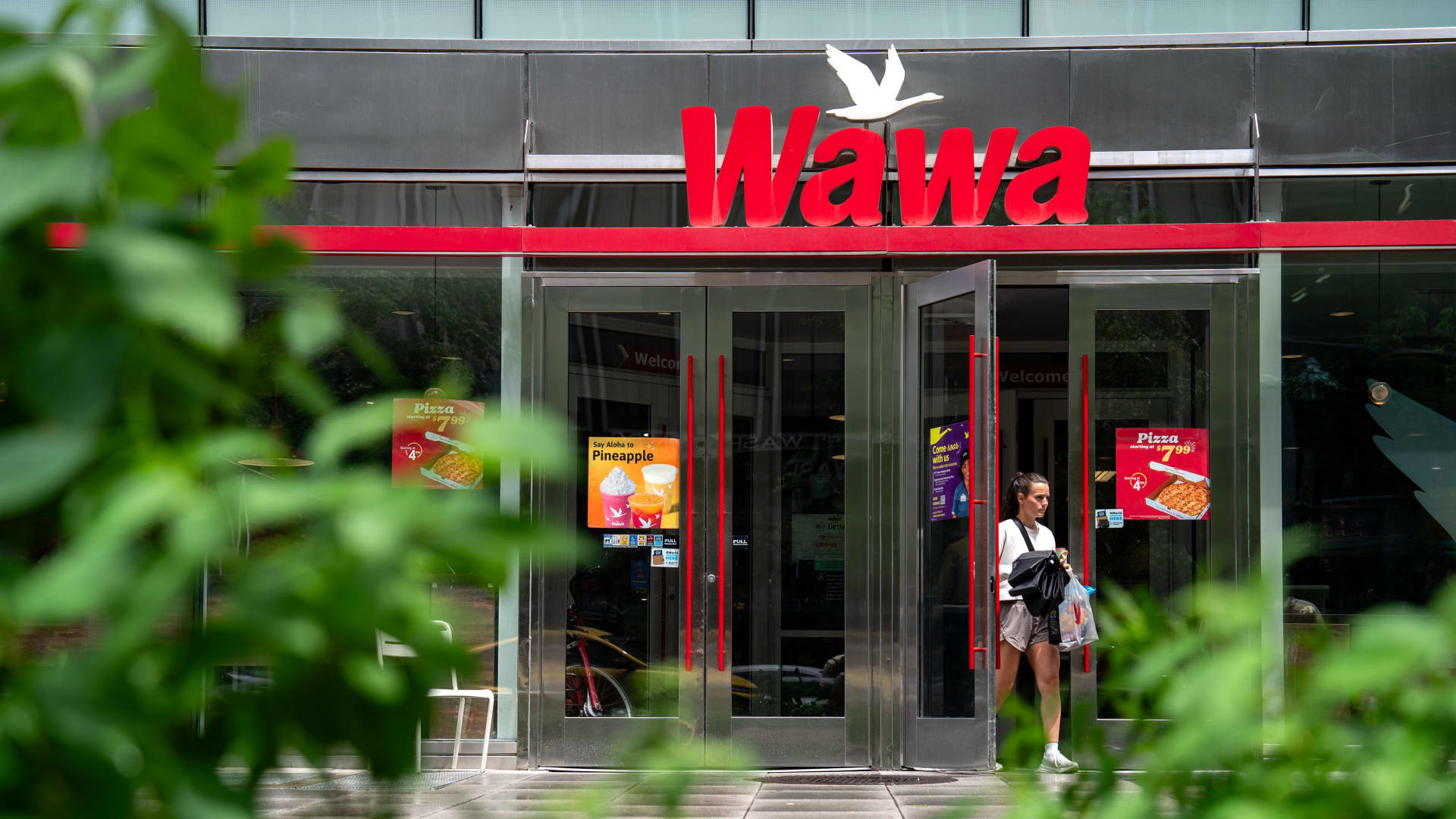
A Wawa store is seen in Washington, DC, highlighting a notable shift in breakfast habits among consumers. As traditional fast-food chains face a decline in morning meal traffic, convenience stores are seizing the opportunity to establish themselves as viable alternatives. According to Circana, visits to fast-food restaurants increased by only 1% in the three months ending July 2024, while foot traffic to food-forward convenience stores surged by 9%. David Portalatin, Circana’s senior vice president and foodservice industry advisor, noted that convenience stores have consistently gained market share, especially during breakfast hours, largely due to their focus on quality food options.
Historically, quick-service chains like McDonald’s have aimed to attract diners to their breakfast menus, but the reality is stark: 87% of consumers still prefer meals from their own kitchens. This trend presents a lucrative opportunity for fast-food outlets to innovate and capture a larger slice of the breakfast market. The pandemic initially disrupted convenience stores’ growth, but recent data indicates a revival in their breakfast offerings, with stores like Wawa and Casey’s General Store significantly enhancing their foodservice options.
The convenience store sector has often relied on gas sales, tobacco, and lottery ticket purchases, but as demand wanes in those areas, prepared foods are stepping in as a key revenue driver. Convenience stores now represent an estimated $121 billion in foodservice sales for 2024. A survey conducted by Intouch Insight found that 72% of consumers view convenience stores as a suitable alternative to fast-food chains, marking an increase from 56% the previous year.
Amid rising inflation and tightening budgets, many consumers are more discerning about their morning meal choices. Fast-food breakfast visits have declined consistently over the past three years, with a significant drop of 8.7% in the latest quarter. McDonald’s, which leads the breakfast segment, acknowledges that the morning meal is particularly sensitive to economic pressures. “The breakfast daypart is the most economically sensitive daypart,” asserted CEO Chris Kempczinski during a recent earnings call.
Convenience stores are capitalizing on this shift. Wawa, for example, has enjoyed an 11.5% growth in customer visits since 2022, contrasting with the combined 3.5% decline among major fast-food brands. As awareness of the fresh food offerings grows, 48% of consumers surveyed reported opting for convenience stores over fast-food spots when picking breakfast. While purchasing ready-made meals from convenience stores may not always be cheaper than home-cooked options, many consumers perceive it as offering better value, especially given the variety available.
The allure of convenience stores lies not only in breakfast sandwiches and coffee but also in their extensive range of choices, from energy drinks to snacks that complement morning meals. This variety often surpasses what fast-food chains offer, giving convenience stores a competitive edge. “The ultimate differentiator is the quality aspect,” emphasized Portalatin.
As convenience stores like Casey’s General Store expand their breakfast menus-such as the popular breakfast pizza-there’s growing recognition of their role in the breakfast market. The shifting preferences reflect a fundamental change in consumer behavior, emphasizing quality and variety over traditional fast-food offerings.
The evolving landscape in breakfast choices highlights the need for fast-food chains to innovate continuously, as they navigate a rapidly changing marketplace where convenience stores are emerging not just as competitors, but as formidable challengers to their breakfast dominance.
Original Source: https://www.cnbc.com/2025/09/13/convenience-stores-are-eating-fast-food-chains-breakfast.html
Category :
Tags:
Publish Date: 2025-09-15 17:26:00