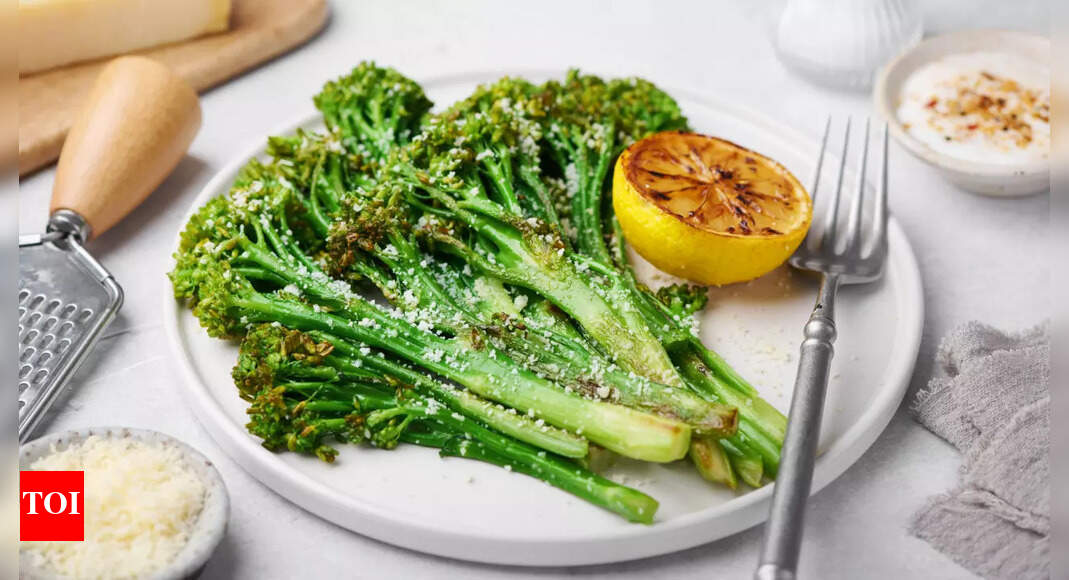

Broccolini, a hybrid of traditional broccoli and Chinese kale, is swiftly capturing the attention of health-conscious consumers as a nutritious alternative to its well-known counterpart. With its milder flavor and entirely edible structure from stem to tip, broccolini is being hailed as a new “superfood” that some individuals are even choosing over classic broccoli. According to the U.S. Centers for Disease Control and Prevention (CDC), only 1 in 10 adults consumes enough vegetables, highlighting the urgency of incorporating more greens like broccolini into our diets. But what makes broccolini stand out? Is it truly superior to broccoli in terms of nutrition? Let’s delve into this rising trend.
Originating from a cross-pollination between traditional broccoli and gai lan, or Chinese kale, broccolini-often dubbed “baby broccoli”—is not merely a younger version of broccoli. Developed in Japan during the 1980s and trademarked under the name Broccolini after eight years of research, this cruciferous vegetable bears the scientific name Brassica oleracea var. botrytis. It shares family ties with other vegetables like kale, cauliflower, and cabbage, reinforcing the nutritional benefits found in cruciferous greens.
In terms of nutritional value, a standard serving of 3.5 ounces (100 grams) of raw broccolini contains 35 calories, 6 grams of carbohydrates, and 3.5 grams of protein, with no fat content. It’s packed with 5 grams of fiber and provides a modest amount of calcium (4% of the daily value), iron (7% of the daily value), and potassium (6% of the daily value). Broccolini shines particularly in its high vitamins C and K content, antioxidants, and its anti-inflammatory properties which may contribute to heart health and protective effects against chronic diseases.
The flavor profile of broccolini sets it apart from broccoli; while the latter features dense, bushy heads, broccolini boasts long, slender stalks topped with small, loose florets. Its taste is described as tender, juicy, and mildly sweet, with subtle nutty and earthy undertones. This makes it appealing in numerous culinary preparations, as the entire vegetable can be consumed without waste, contrasting with broccoli which often involves more significant preparation and a slightly bitter flavor.
Nutritionally, the benefits of broccolini align closely with those of broccoli. Both are excellent sources of essential vitamins and minerals, aiding in immune function and overall health. Broccolini stands out with its notable potassium, manganese, and phosphorus levels, while remaining low in calories and high in fiber. However, for some, the high fiber content may lead to digestive discomfort like gas or bloating. Nonetheless, like other cruciferous vegetables, broccolini harbors antioxidants known for their potential anticancer properties.
With its rising popularity and undeniable health benefits, broccolini is an attractive addition to any grocery cart. As more people become aware of its nutritional perks, it might signal a shift in vegetable preferences. Whether you’re a dedicated vegetable lover or looking to diversify your greens, broccolini deserves a place on your plate, offering a fresh and nutritious option in today’s ever-evolving culinary landscape.
In a world where vegetable intake often falls short of recommended levels, broccolini stands out not only for its taste and versatility but also for its significant health benefits. So, if you haven’t yet explored this hybrid green, it might be time to consider giving broccolini a try in your next meal.
Original Source: https://timesofindia.indiatimes.com/life-style/health-fitness/health-news/broccolini-should-you-add-this-new-superfood-to-your-plate/articleshow/123870476.cms
Category :
Tags:
Publish Date: 2025-09-13 19:10:00