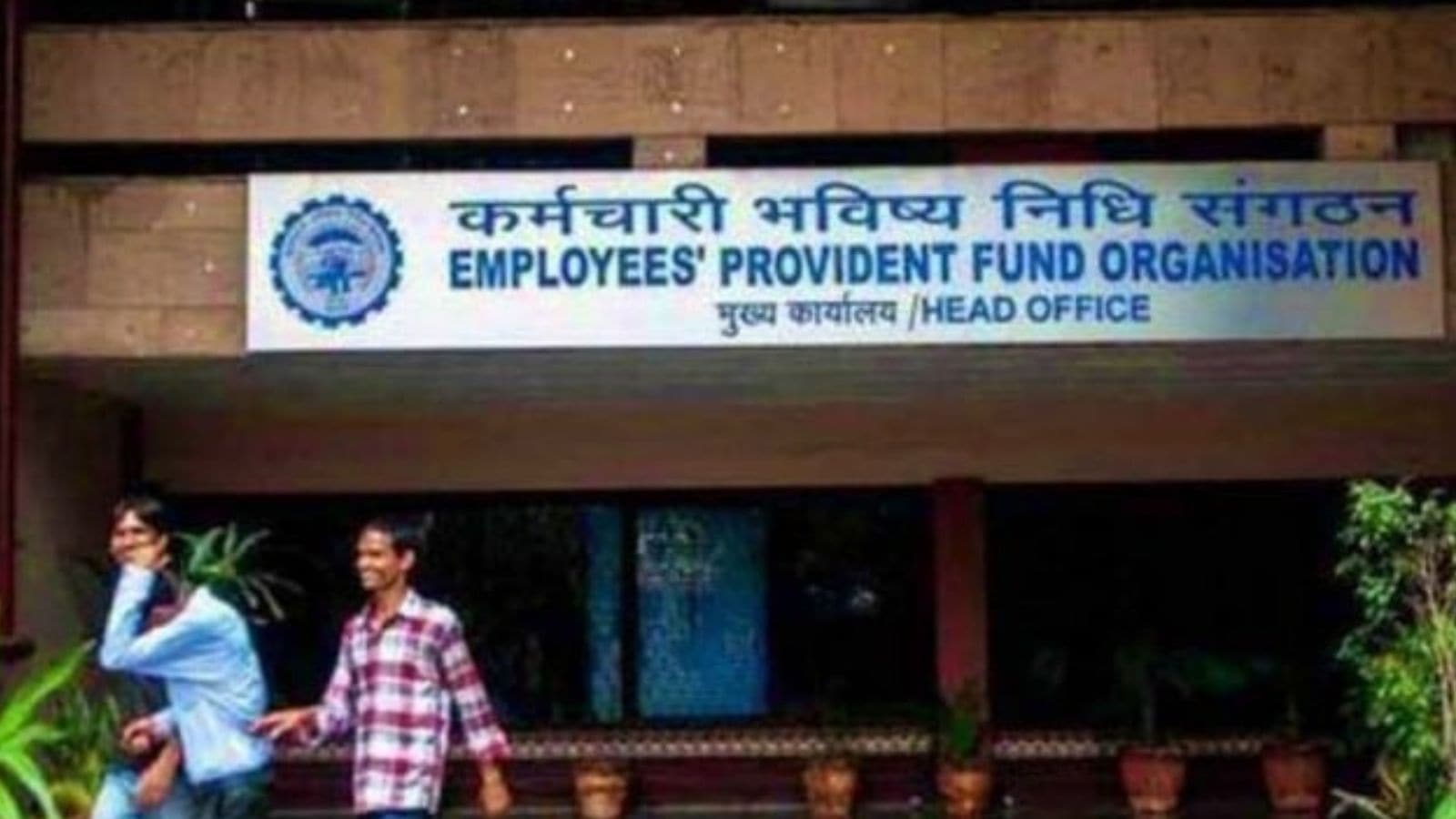

The Employees’ Provident Fund Organisation (EPFO) has mandated face authentication for generating new Universal Account Numbers (UAN), raising concerns among staffing companies about the potential for payroll disruptions and hiring challenges. On August 5, the Indian Staffing Federation (ISF), representing over 1.8 million contract workers across 135 companies, expressed these concerns during a communication to EPFO head Ramesh Krishnamurthi. A significant issue highlighted by the ISF is that many members’ mobile numbers are not linked to their Aadhaar cards, complicating the creation of a UAN recognized by the face authentication technology (FAT). The ISF pointed out that candidates are unfamiliar with how FAT operates, leading to confusion about whether their faces should be close or far from the app, along with varying settings on different phone brands.
The ISF emphasized that the new FAT requirement for updating member profiles, including KYC details, requires individual participation in the facial authentication process. With a transient workforce, implementing FAT for thousands of employees across multiple locations is both logistically taxing and time-consuming. Many employees lack access to smartphones or stable internet connectivity, making compliance further challenging. Delays in UAN generation result in postponed salary processing and provident fund contributions, particularly impacting micro, small, and medium enterprises (MSMEs) and sectors with high turnover.
In its letter to the EPFO chief, the ISF reported that members were unable to enroll over 1,000 candidates within two days due to newly imposed restrictions from the Unique Identification Authority of India (UIDAI) and the prohibitions on employers generating UANs through the existing process. The ISF noted that such restrictions significantly hinder staffing companies that manage large and dynamic workforces.
The EPFO assigns each employee a 12-digit unique number known as the Universal Account Number. Earlier in April, the EPFO introduced Aadhaar-based FAT for UAN generation and activation. A subsequent notification on July 30 specified that UAN generation would from August 1, 2025, only occur through the FAT in the UMANG app, aiming for error-free UAN generation. The existing UAN generation process remains available for exceptional cases, such as international workers and citizens of Nepal and Bhutan. The UMANG app serves as a single platform for Indian citizens to access various government services.
The ISF further stated that restrictions on generating UANs without immediate Aadhaar linking and the FAT requirement slow down the onboarding process. Many candidates do not recall which mobile number is linked to their Aadhaar, necessitating updates before obtaining a UAN. The ISF called for a long-term solution to this issue, emphasizing that it could severely disrupt the hiring process as UANs cannot be generated due to mandated restrictions. The ISF also suggested that the EPFO consider allowing employers to generate UANs for first-time employees and extend the compliance deadline for digital onboarding through FAT.
Original Source: https://indianexpress.com/article/business/banking-and-finance/epfo-face-authentication-norms-staffing-companies-flag-issues-with-implementation-of-new-rules-for-uan-generation-10180079/
Category: Banking and Finance,Business
Tags:
Publish Date: 2025-08-09 23:09:00