
South Africa’s President Cyril Ramaphosa has voiced significant concerns regarding the United States’ recent decision to impose a 30% tariff on South African goods entering the U.S. This move, part of broader updates to U.S. trade policy, has prompted Ramaphosa to emphasize the importance of continued negotiations with Washington to reach an amicable trade agreement. In light of the new tariffs, he stated that the South African government is finalizing measures to support affected companies, producers, and workers.
Ramaphosa reassured that all previously granted exemptions from earlier U.S. executive orders will remain intact. These exemptions apply to a range of products, including copper, pharmaceuticals, semiconductors, and stainless steel, among others.
Meanwhile, the European Union has also reacted to the updated U.S. tariffs. According to EU Trade Commissioner Maros Sefcovic, the new tariffs reflect the initial outcomes of a recently signed trade deal between the EU and the U.S. This agreement, confirmed after weeks of negotiations, includes a 15% all-inclusive tariff cap, which aims to enhance stability and competitiveness for EU exporters in the transatlantic market. Sefcovic expressed optimism about the current improvements in trade relations.
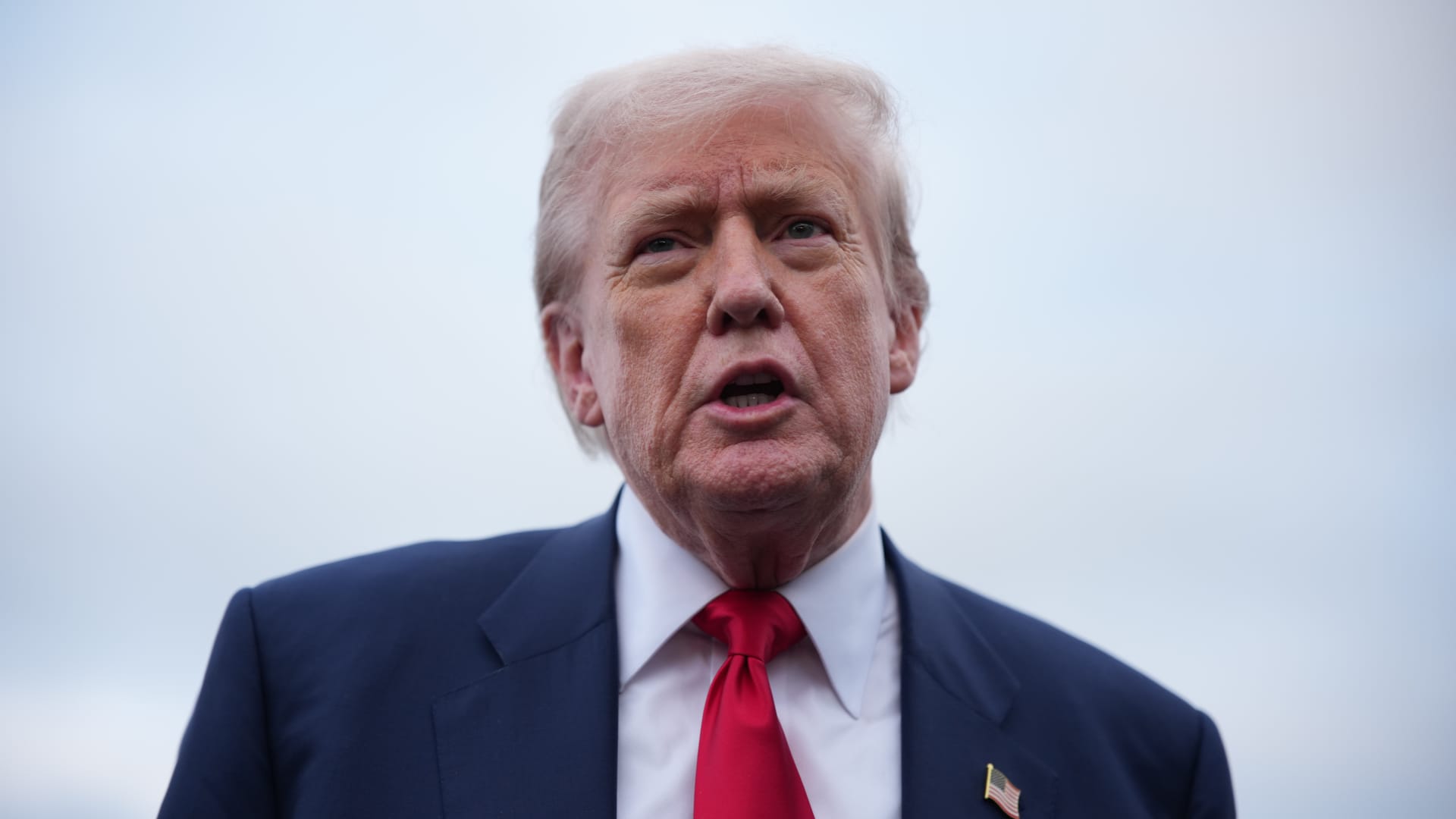
In the broader context of international trade dynamics, the repercussions of U.S. tariffs extend beyond South Africa and Europe. President Donald Trump’s executive order, which modifies tariffs for numerous countries, has raised concerns among analysts regarding the unpredictable nature of these trade measures. Wendy Cutler, a former deputy U.S. trade representative, highlighted the uncertainties partners may face due to the potential introduction of new sectoral tariffs. Such developments could further disrupt established trade rules that have governed international commerce for decades.
Stephen Olson, a senior fellow at the ISEAS-Yusof Ishak Institute and former U.S. trade negotiator, echoed Cutler’s sentiments, emphasizing that more tariff adjustments are likely to emerge. These increasing tariffs could heavily impact nations wishing to maintain trade relations with the U.S., especially given the current Administration’s unpredictable approach to trade agreements.
In a related development, Canadian Prime Minister Mark Carney expressed disappointment over the U.S. decision to raise tariffs to 35% on Canadian goods. He stated that while Canada will continue negotiations with the U.S., the government is focused on strengthening its economy internally. Carney underscored that while certain goods, protected under the Canada-United States-Mexico Agreement, remain unaffected, critical sectors like lumber, steel, and aluminum are set to bear the brunt of the new duties.
Mexico, however, received a temporary reprieve, securing a 90-day extension before the U.S. implements the 30% tariff on various goods. President Claudia Sheinbaum welcomed this opportunity for further discussions and a potential comprehensive agreement with the U.S.
The Swiss government has also begun assessing its position after facing a substantial 39% tariff rate. The Federal Council expressed regret over the U.S. decision, noting its constructive engagement in previous negotiations and reiterating a commitment to pursue a negotiated resolution.
In Asia, reactions have varied, with countries like Japan and Taiwan responding to the new tariff landscape. While some nations expressed optimism regarding lower tariff rates, others, including Australia, hailed its lowest tariff rate of 10% as a diplomatic success following their cool approach towards the U.S.
As the U.S. updates its tariff regime, the implications for international trade are profound, affecting established relationships with some of its closest allies and prompting a reevaluation of global trade dynamics.
Original Source: https://www.cnbc.com/2025/08/01/trumps-tariffs-rekindle-global-trade-tensions.html
Category :
Tags:
Publish Date: 2025-08-01 13:44:00