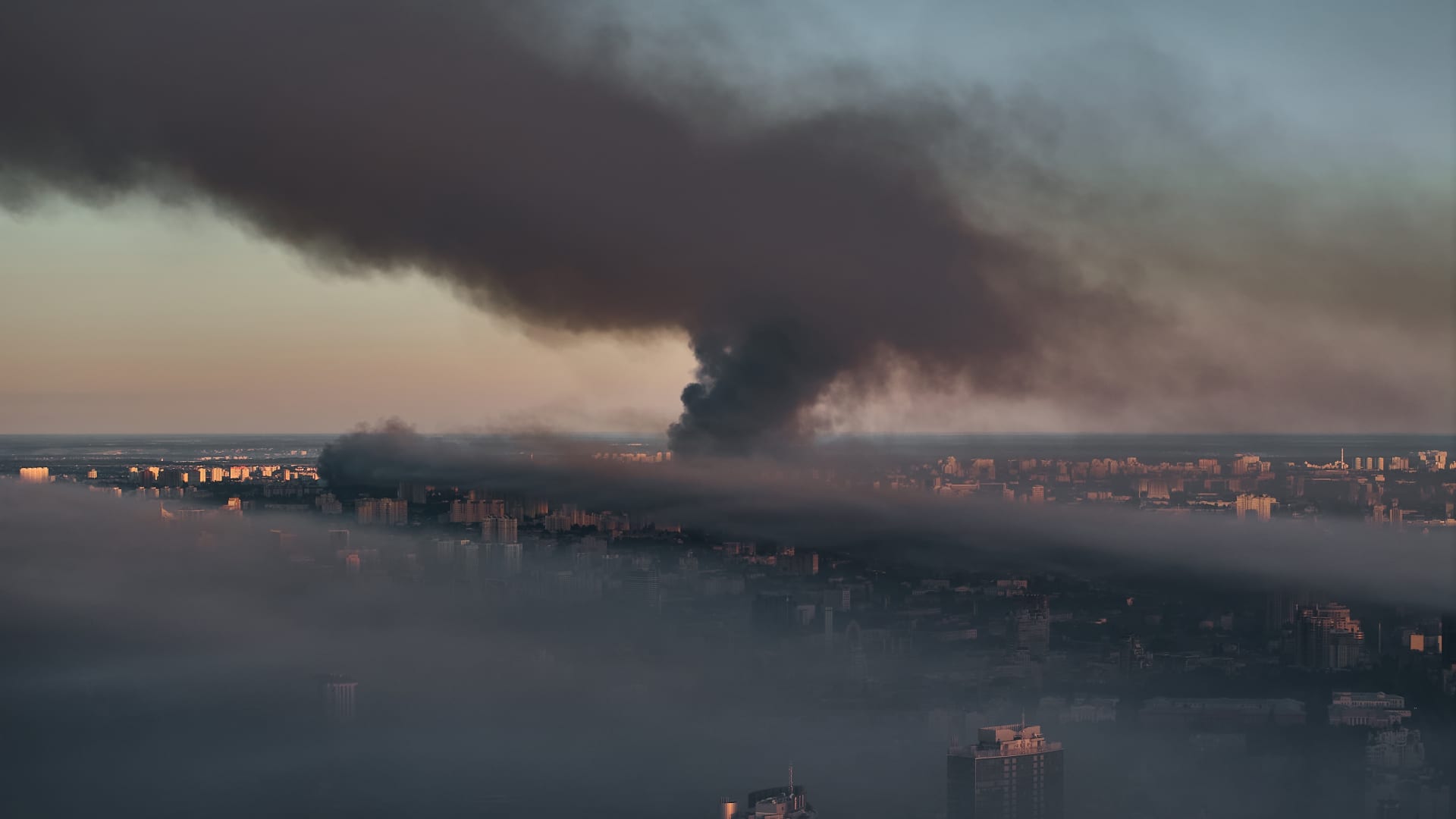

In the backdrop of escalating global tensions, the conflict between Russia and Ukraine continues to rage on, albeit with decreasing media attention. As trade disputes and challenges in Gaza dominate headlines, the ongoing struggle for territorial control in Ukraine has faded from the forefront of international discourse. Recent discussions in Istanbul between Russian and Ukrainian negotiators received scant coverage, leaving many to wonder about the future of the war and the prospects for peace.
Former U.S. President Donald Trump recently expressed impatience, suggesting on July 14 that Ukraine could receive additional American-made arms, provided NATO allies cover the costs. He also issued a stern 50-day ultimatum to Russia to negotiate a peace deal, warning of “very severe” sanctions if they fail to comply. This ultimatum could significantly impact Russia’s economy, especially given its reliance on trade partnerships with countries like India and China.
The clock is ticking for the Kremlin, with a deadline set for September 2 to demonstrate genuine commitment to a ceasefire. However, analysts remain skeptical about whether threats of further sanctions will prompt Russian President Vladimir Putin to approach negotiations with sincerity. Mykola Bielieskov, a research fellow at Ukraine’s National Institute for Strategic Studies, noted, “The Kremlin is banking on the United States under Trump lacking a systematic strategy to support Ukraine while pressuring Russia.” Bielieskov emphasized that imposing serious secondary sanctions would require a willingness to confront Russia’s trading partners, a move fraught with geopolitical implications.
Amid these international dynamics, Ukraine has shown increased willingness to negotiate, echoing Trump’s call for a ceasefire and even contemplating concessions in exchange for NATO membership. However, tangible gains on the battlefield by Russia, bolstered by a significant influx of conscripts and drone warfare, suggest that Moscow is unlikely to reciprocate with meaningful security assurances for Ukraine.
Domestic challenges are adding further complexity for Kyiv, where public dissatisfaction is rising. Protests erupted recently in response to government actions perceived as eroding the independence of anti-corruption agencies. European leaders expressed alarm, viewing this as a setback for Ukraine’s aspirations for EU membership, which hinges on addressing systemic corruption. Public discontent is further exacerbated by ongoing martial law and concerns about the consolidation of power under President Volodymyr Zelenskyy, especially following a recent government reshuffle.
According to Tatiana Stanovaya, a senior fellow at the Carnegie Russia Eurasia Center, Ukraine is entering a sensitive phase of internal consolidation amid growing external pressures. “The latest battlefield developments coincide with a cautious shift in American policy,” she stated, pointing out that Trump appears to prefer a strategy of tactical delay over decisive action. This shift allows Ukraine time to recalibrate internally, but it also reflects a growing concern among Western partners about the Ukrainian government’s commitment to democratic values.
As international support becomes more transactional-focused more on sustaining military efforts than fostering democratic reforms-Ukraine faces an uphill battle. With the prospects of meaningful diplomatic progress dimming, the path ahead remains uncertain for both Ukraine and its Western allies.
Original Source: https://www.cnbc.com/2025/07/27/how-trump-and-trade-wars-pushed-russia-and-ukraine-into-the-cold.html
Category :
Tags:
Publish Date: 2025-07-27 11:50:00