Reclaim Your Financial Freedom: Sevilla’s Empowering Forum Offers Hope for Overwhelmed Borrowers

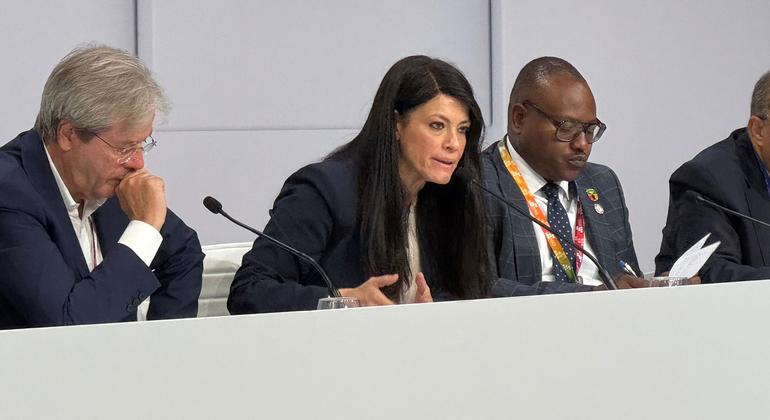
The recent launch of the Borrowers’ Forum has been hailed as a pivotal moment in the global effort to reform international debt structures, an initiative backed by the United Nations and emphasized in the Sevilla Agreement. Egypt’s Minister of Planning and Economic Development, Dr. Rania Al-Mashat, declared, “This is not just talk – this is execution.” She stressed that the forum embodies a collaborative strategy among nations to address pressing debt challenges effectively.
Rebeca Grynspan, Secretary-General of the UN Conference on Trade and Development (UNCTAD), underscored the plight of developing nations that often negotiate alone against creditor nations. “Voice is not just the ability to speak — it’s the power to shape outcomes,” she remarked. Currently, over 3.4 billion people reside in countries where debt servicing surpasses expenditures on essential services like healthcare and education.
The Borrowers’ Forum, one of the 11 recommendations from the UN Secretary-General’s Expert Group on Debt, aims to create a platform for nations to share experiences, gain technical and legal guidance, promote responsible lending practices, and strengthen collective bargaining power. Its establishment addresses long-standing demands by Global South nations for a more inclusive debt decision-making process, moving away from a framework primarily benefiting creditors.
Zambia’s Foreign Minister, Mulambo Haimbe, expressed optimism about the forum fostering “long-term partnerships, mutual respect, and shared responsibility,” adding that Zambia is prepared to host an initial meeting. Meanwhile, Spain’s Finance Minister, Carlos Cuerpo, referred to the current debt crisis as “silent but urgent,” dubbing the forum a “Sevilla moment” akin to the creation of the Paris Club nearly 70 years ago.
UN Special Envoy on Financing the 2030 Agenda, Mahmoud Mohieldin, emphasized that the forum directly addresses the isolation faced by debtor nations for too long. “This is about voice, about fairness – and about preventing the next debt crisis before it begins,” he stated. This initiative is launched amid rising debt distress throughout the developing world. The Sevilla Agreement, adopted unanimously at the conference, includes commitments for sovereign debt reform and underscores the need for increased debt transparency and better creditor coordination.
In contrast, civil society groups criticized the Sevilla Agreement as a missed opportunity for true reform in a global debt system that burdens many developing countries. Jason Braganza from the African Forum and Network on Debt and Development (AFRODAD) remarked that the final document lacked ambition and was significantly diluted. He pointed out that nearly half of African nations are grappling with debt crises, diverting crucial funding away from essential services such as health and education.
While some progress has been recognized, notably the initiation of a new intergovernmental process that may lay the groundwork for future improvements, concerns persist about “debt-for-climate swaps,” which some analysts deem as superficial solutions failing to create real fiscal space. Tove Ryding from the European Network on Debt and Development (Eurodad) echoed this sentiment, declaring systemic economic injustice to be the root of poverty and climate change issues.
In response to these pressing challenges, Spain also announced the Global Health Action Initiative, a program designed to reinvigorate the global health ecosystem by committing €315 million between 2025 and 2027, aiming to fill gaps in access to essential public services. This initiative is supported by various leading multilateral health organizations and over ten countries, marking a concerted effort to enhance global health outcomes in the face of economic adversity.
Original Source: https://news.un.org/feed/view/en/story/2025/07/1165196
Category :
Tags:
Publish Date: 2025-07-02 17:30:00