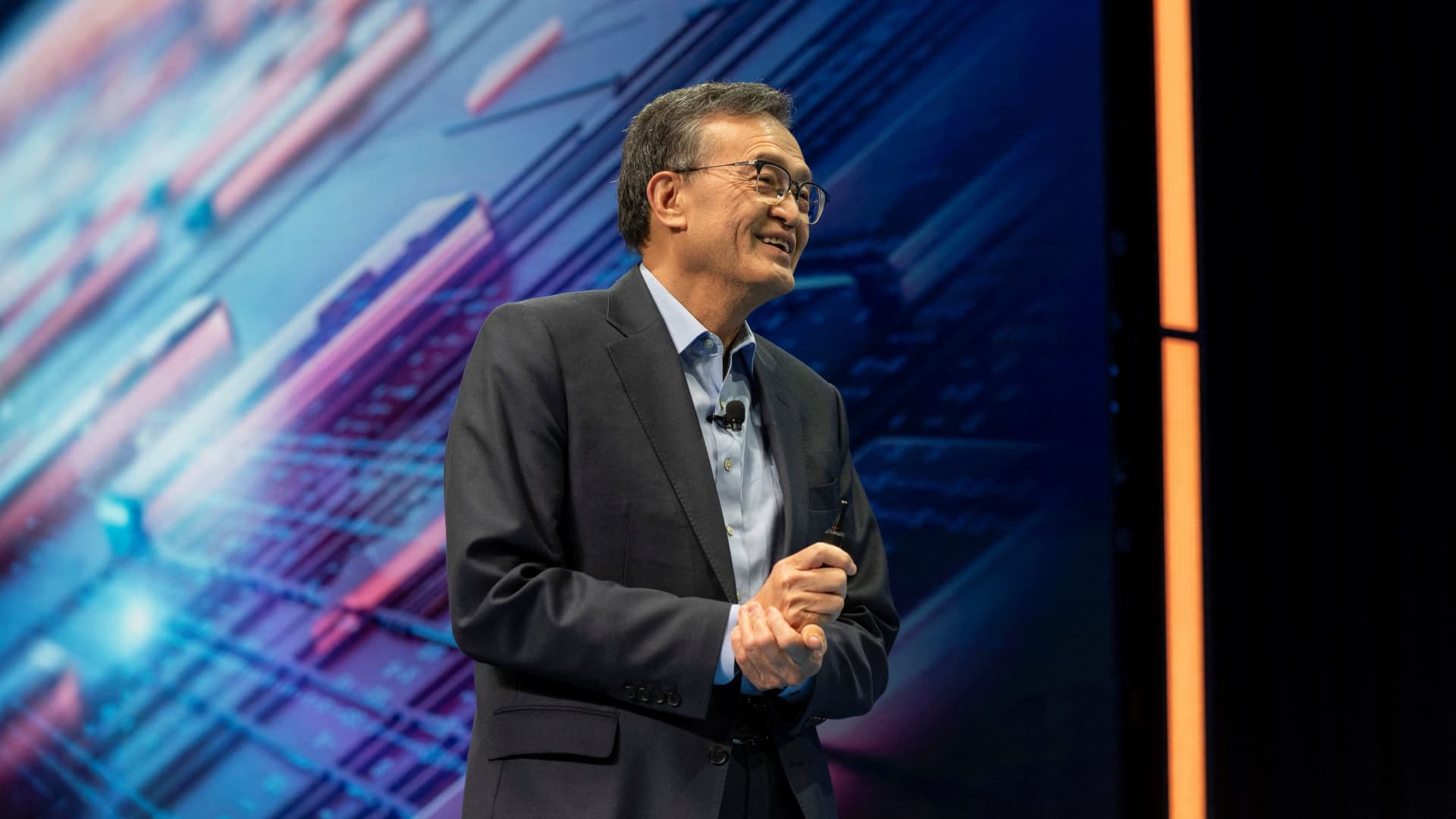

Intel’s new CEO, Lip-Bu Tan, is considering a significant shift in the company’s contract manufacturing strategy to attract major clients. This potential change could mark a departure from the plans set by his predecessor, Pat Gelsinger. According to sources familiar with the situation, Tan is contemplating ceasing the marketing of certain chipmaking technologies, specifically the 18A process, designed over years for external customers.
Since assuming leadership in March, Tan has acted swiftly to implement cost-cutting measures and seek a new direction for Intel, which has struggled in recent years. By June, he expressed concerns about the appeal of the 18A process to potential customers, indicating it may not garner the interest that Gelsinger hoped for. This reconsideration comes with significant financial implications; abandoning external sales of the 18A methodology could lead to a write-off amounting to hundreds of millions or even billions of dollars, as noted by industry analysts.
Intel has not publicly commented on these “hypothetical scenarios.” However, the company maintains that the primary customer for its 18A technology has traditionally been itself. Intel aims to escalate the production of its “Panther Lake” laptop chips by 2025, branding them as the most advanced processors produced in the U.S.
Winning external clients remains vital to Intel’s future. As delays in the 18A fabrication process mount, rival TSMC’s N2 technology is progressing steadily toward production. In response, Tan seems poised to shift focus to the next-generation 14A chipmaking process, which he believes will provide an edge over TSMC’s offerings. This pivot aims to attract significant clients such as Apple and Nvidia, who currently rely on TSMC for their chip production.
Tan is preparing options to present to Intel’s board, including the decision to halt the marketing of 18A to new clients. However, due to the complexities around this situation and the considerable financial stakes involved, a final decision may not be reached until later meetings in the fall.
Intel also noted that the company will continue to manufacture chips using 18A in projects already underway, including guaranteed volumes for Amazon and Microsoft, despite the ongoing review. These deadlines prevent a simple transition to the new 14A process.
Last year marked a troubling milestone for Intel, as it posted its first net loss since 1986, reporting an $18.8 billion deficit. The current deliberations under Tan’s leadership highlight the substantial risks Intel faces in regaining its footing in a highly competitive industry.
Tan’s overall strategy remains in its infancy. He has begun restructuring leadership by integrating new engineering talent and addressing inefficiencies within the company. Moving away from marketing the 18A process to foundry customers would signify a pivotal decision for Tan’s tenure, echoing the larger challenge of reinstating Intel’s once-dominant manufacturing capabilities.
The 18A manufacturing process offered unique enhancements aimed at rivaling TSMC capabilities. However, analysts suggest it may not substantially differ from TSMC’s established N3 technology, already in high-volume production. Should Tan follow through with this strategy, Intel would pivot its foundry focus toward 14A, potentially finding a more competitive footing in the market.
Ultimately, Tan’s extensive industry connections and insights will guide his approach to revitalizing Intel, grappling with the need for innovation in a rapidly evolving tech landscape. As the company navigates these critical decisions, its path forward hangs in the balance amidst mounting challenges.
Original Source: https://www.cnbc.com/2025/07/02/intels-new-ceo-explores-big-shift-in-chip-manufacturing-business.html
Category :
Tags:
Publish Date: 2025-07-02 18:12:00