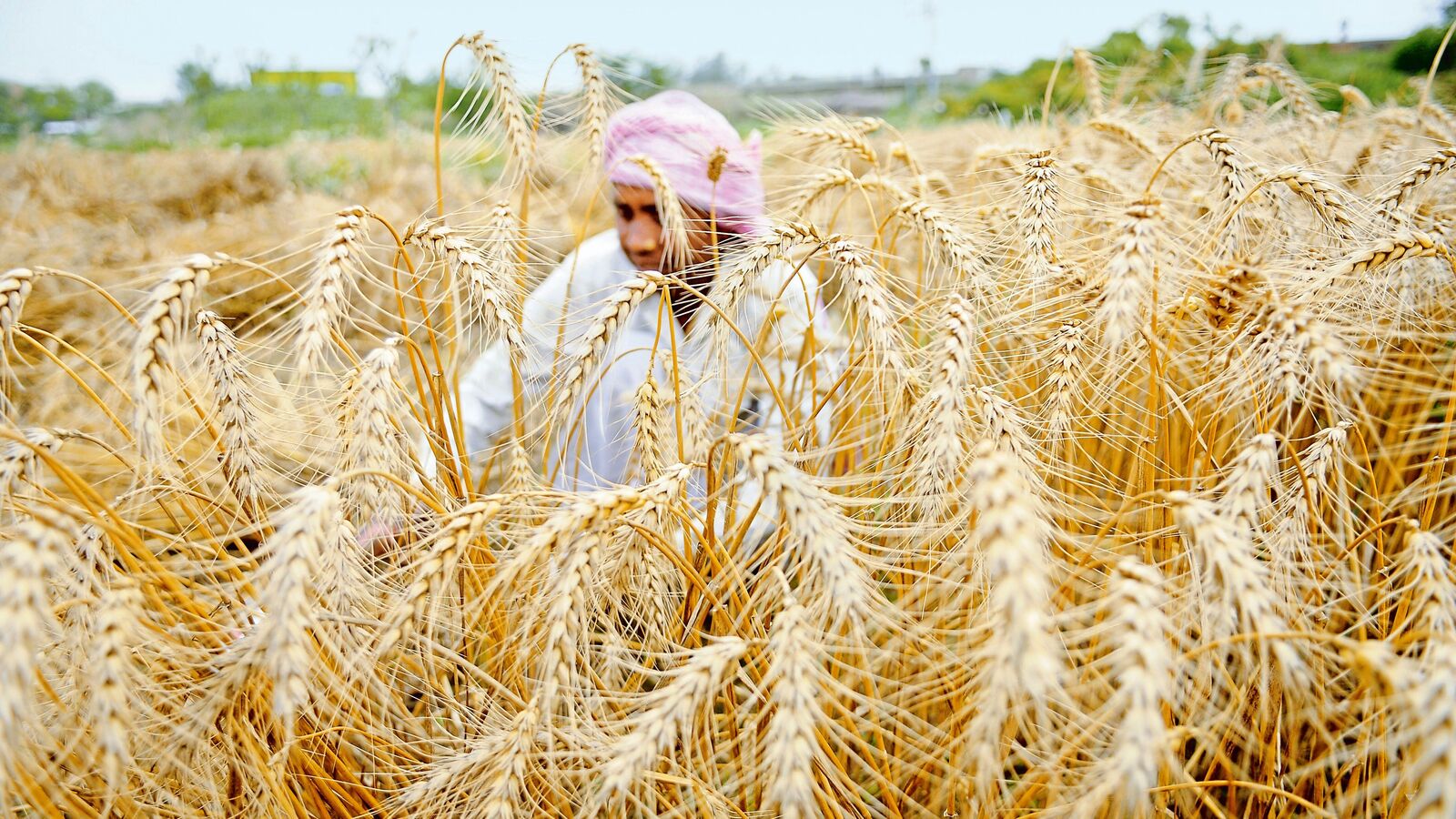

New Delhi has officially informed the World Trade Organization (WTO) that it will maintain its restrictions on wheat exports, citing food security concerns for both its population and neighboring vulnerable nations. In a submission to the WTO’s Committee on Agriculture, India reaffirmed that its temporary ban, first implemented in May 2022, will continue due to fluctuating global wheat prices and the necessity of ensuring domestic supply.
India clarified its stance by stating it has shifted its export policy from “free” to “prohibited” as per Article XI:2(a) of the GATT 1994 and Article 12.1 of the Agreement on Agriculture. This decision aims to safeguard food availability, especially as the country prepares for high-demand periods associated with upcoming festivals and state elections.
Despite the restrictions, India has left room for humanitarian and diplomatic exceptions, indicating that wheat exports may be approved based on specific government-to-government requests to address food security needs. The government’s recent communication highlights the rising wheat production expectations of 115.4 million tonnes for the 2024-25 rabi season, a 2% increase due to expanded cultivation areas.
The notification emphasizes the critical role wheat plays as a staple food for millions in India. “Ensuring its availability at affordable prices is crucial,” the statement read, as the global wheat market remains volatile due to various factors, including geopolitical tensions and climatic challenges.
India’s export ban, effective since May 13, 2022, was implemented in the wake of escalating global wheat prices driven by geopolitical conflicts, notably the Russia-Ukraine war, and increased global demand. The nation’s decision to limit wheat exports met with criticism from several WTO member countries at the time, particularly against the backdrop of worldwide shortages stemming from supply disruptions in the Black Sea region.
In the fiscal year 2023, India exported 4.7 million tonnes of wheat valued at $1.52 billion. However, these numbers plummeted dramatically to just 0.19 million tonnes in FY24 and further contracted to a mere 2,749 tonnes during the April-February period of 2024-25, according to data from the commerce ministry. Since the export ban, only small quantities have been permitted for humanitarian purposes and through diplomatic channels.
The ban on wheat exports does not specify an end date but indicates it will remain in effect as long as the circumstances that prompted it persist. With procurement targets achieved, the government is taking a cautious approach to avoid igniting retail food inflation, which is currently at its lowest point ahead of upcoming assembly elections.
Before the export restrictions, India predominantly shipped wheat and wheat products to South Asia, West Asia, and Africa, with key buyers including Bangladesh, the UAE, and Sri Lanka, among others. Countries such as Nepal, Bhutan, Oman, and Qatar were also significant importers of processed wheat products.
As India navigates the complexities of domestic demand and international obligations, its decision to restrict wheat exports underscores a careful balancing act between ensuring food security and engaging with global markets.
Original Source: https://www.livemint.com/news/india-wto-wheat-export-ban-food-security-agriculture-retail-food-inflation-russia-ukraine-war-black-sea-oman-qatar-11749659572720.html
Category :
Tags:
Publish Date: 2025-06-11 22:30:00