Uncover the Hidden Dangers of Fusarium Graminearum: Protect Your Health from This Menacing Crop Fungus!

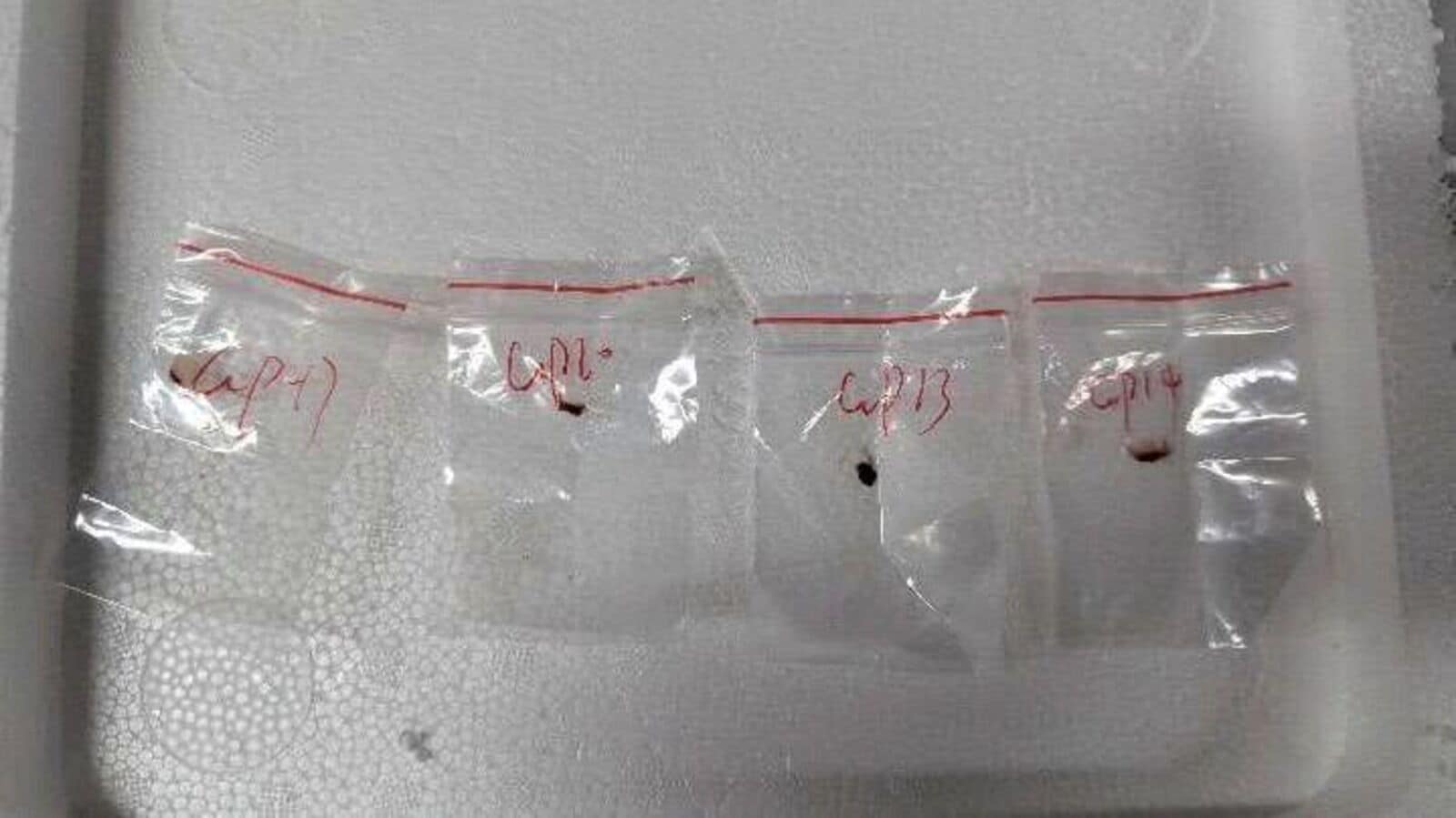
The recent arrest of several Chinese researchers for smuggling Fusarium graminearum, a notorious crop-devouring fungus, into the United States has reignited concerns about the dangers posed by this pathogen to agriculture and public health. This incident not only emphasizes the vulnerabilities in America’s food security but also adds tension to the already strained US-China relations.
Fusarium graminearum is infamous for causing Fusarium head blight, a significant disease that afflicts key cereal crops such as wheat, barley, maize, and rice. The agricultural ramifications are staggering, with losses surpassing $1 billion annually in the United States alone. Beyond crop damage, this fungus produces harmful mycotoxins, notably deoxynivalenol (DON), or vomitoxin, which can contaminate grains and pose serious health risks.
Unauthorized importation of Fusarium graminearum strains raises fears of introducing more aggressive or pesticide-resistant variations, which could worsen outbreaks and render control measures ineffective. This threat extends beyond agriculture, increasing the risk of toxic contamination in the food supply and heightening public health concerns. The incident underscores broader fears of agro-terrorism, wherein pathogens like Fusarium graminearum could be employed deliberately to harm a nation’s food supply, leading to economic repercussions and health crises.
While Fusarium graminearum does not directly infect humans, its significance lies in the potent mycotoxins it produces. These toxins can withstand food processing, infiltrating the human food chain and creating potential hazards when ingested through contaminated grains or grain-based products.
Humans primarily encounter Fusarium graminearum toxins via consumption of contaminated foods such as bread, cereal, pasta, and beer. Dust inhalation from contaminated grains during farming or processing and skin contact also pose risks. The principal toxin, deoxynivalenol (DON), affects the gastrointestinal and immune systems, with nausea and vomiting being the most common symptoms. Other effects can include diarrhea, abdominal pain, fever, and headaches. Notably, the immunotoxic nature of DON diminishes the body’s ability to combat infections. Exposure to contaminated diets may especially stunt growth in children.
Certain populations are more vulnerable to these risks. Infants and children, individuals with weakened immune systems, farmers, and grain handlers who inhale contaminated dust are at heightened risk. Additionally, communities in food-insecure areas with limited enforcement of food safety regulations face greater dangers.
As investigations into the smuggling case unfold, it reveals crucial knowledge gaps regarding biosecurity and the need for robust monitoring of agricultural imports. The incident highlights an urgent call to action for authorities to tighten regulations concerning pathogen importation and enhance awareness of the risks linked to crop pathogens.
The intersection of food safety and international relations makes this situation particularly complex. With agriculture being a cornerstone of the economy, threats to crop production must be rigorously addressed to safeguard not only food supplies but also public health.
As America grapples with these emerging risks, the need for vigilance in food safety and a proactive stance against unauthorized agricultural research cannot be overstated. Ensuring the safety of our food supply is a shared responsibility that transcends borders, demanding both local and global cooperation.
This ongoing situation emphasizes the critical intersection of agriculture, health, and international relations, encouraging vigilance and swift action to protect public safety and food security.
Categories: Agriculture, Public Health, Biosecurity
Tags: Fusarium graminearum, Food Safety, Agro-terrorism, Mycotoxins, US-China Relations
Original Source: https://www.livemint.com/news/us-news/fusarium-graminearum-how-this-crop-fungus-can-impact-your-health-11749142907450.html
Category :
Tags:
Publish Date: 2025-06-05 22:52:00