Empowering Farmers: Cabinet Approves Increased MSP and Extended Interest Subvention Scheme for a Brighter Tomorrow!

The Union Cabinet on Wednesday approved significant measures aimed at strengthening India’s agricultural sector, including substantial increases in support prices for 14 kharif crops and the continuation of a crucial interest subsidy scheme. This move coincides with ongoing farmer protests near the capital and the upcoming assembly elections in key agricultural states.
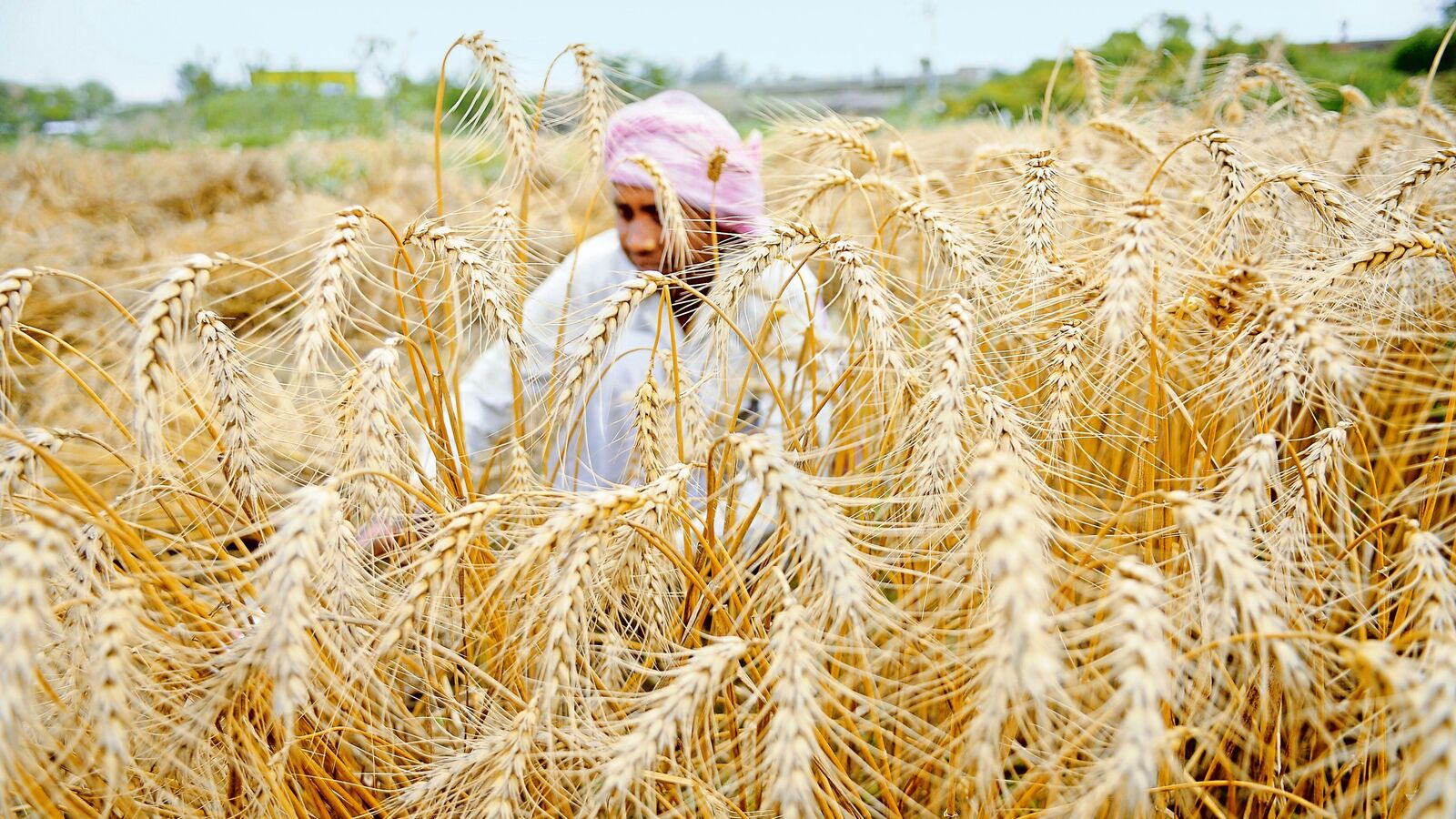
Among the major changes, the minimum support price (MSP) for pigeon pea, or tur, saw a notable rise of ₹450, bringing it to ₹8,000 per quintal. Additionally, MSPs for staples such as paddy and moong were also increased. These decisions are especially timely as Prime Minister Narendra Modi prepares to visit Bihar-an agricultural stronghold-shortly before the state elections.
This year’s MSP adjustments reflect a comprehensive approach, with hikes for other crops like moong, urad, and cotton. Nigerseed experienced the highest absolute increase, while ragi saw the most significant percentage rise, although the increase for moong was the least notable, ranging from 1% to 13.9% across various crops.
Union Agriculture Minister Shivraj Singh Chouhan emphasized that the MSPs have been increased to ensure they are at least 1.5 times the average cost of production nationwide. He stated, “This decision is a significant step towards empowering farmers, increasing their income, and making them more self-reliant,” crediting Prime Minister Modi for the changes.
Despite MSP adjustments being an annual practice, the timing of this increase is particularly strategic, occurring before elections in a state where crops like paddy, tur, moong, and maize are crucial. This year’s MSP dialogue has been heightened by previous farmer protests in Punjab and Haryana, demanding legal guarantees for MSPs after the contentious withdrawal of three farm laws by the central government.
The government had previously formed a committee led by former agriculture secretary Sanjay Agrawal to assess MSP issues, but the committee has yet to submit its findings. Notably, the National Commission on Farmers, under the leadership of M.S. Swaminathan, has advocated for an MSP that is at least 50% higher than the weighted average cost of production, although experts express concerns about the sufficiency of recent increases. Sudhir Panwar, a former member of the Uttar Pradesh Planning Commission, remarked, “The mere 3% hike in paddy MSP is insufficient, especially in light of rising inflation and input costs.”
An official statement highlighted that the MSP increase aligns with the FY19 budget commitment to maintain prices at a minimum of 1.5 times the national weighted average production cost. Expected profit margins for farmers are projected to be highest for bajra (63%), followed by maize (59%), tur (59%), and urad (53%), with most remaining crops estimated at around 50%.
In related decisions, the Cabinet also extended the Modified Interest Subvention Scheme (MISS) for FY26, which provides affordable short-term credit to farmers via Kisan Credit cards (KCC). Under this scheme, farmers can access loans of up to ₹3 lakh at a subsidized rate of 7%, benefiting from a 1.5% interest subvention for eligible lending institutions.
In addition to agricultural measures, the Cabinet approved the construction of the Badvel-Nellore rail corridor-spanning 108 km-at a cost of ₹3,653.10 crore. This development aims to enhance connectivity within Andhra Pradesh’s industrial corridors.
The government’s recent decisions highlight a commitment to bolstering the agricultural sector while addressing infrastructure needs, with a cumulative clearance of projects valued at ₹4.5 trillion aimed at improving transport efficiency and reducing logistics costs.
Original Source: https://www.livemint.com/news/cabinet-approves-higher-msp-extension-of-interest-subvention-scheme-for-farmers-bjp-bihar-elections-farmer-protests-11748440733238.html
Category :
Tags:
Publish Date: 2025-05-28 21:24:00