Devastating Terror Camp Strikes Diminish Pakistan’s Morale: Key Insights from the Parliamentary Panel Meeting on the Suspended Indus Waters Treaty

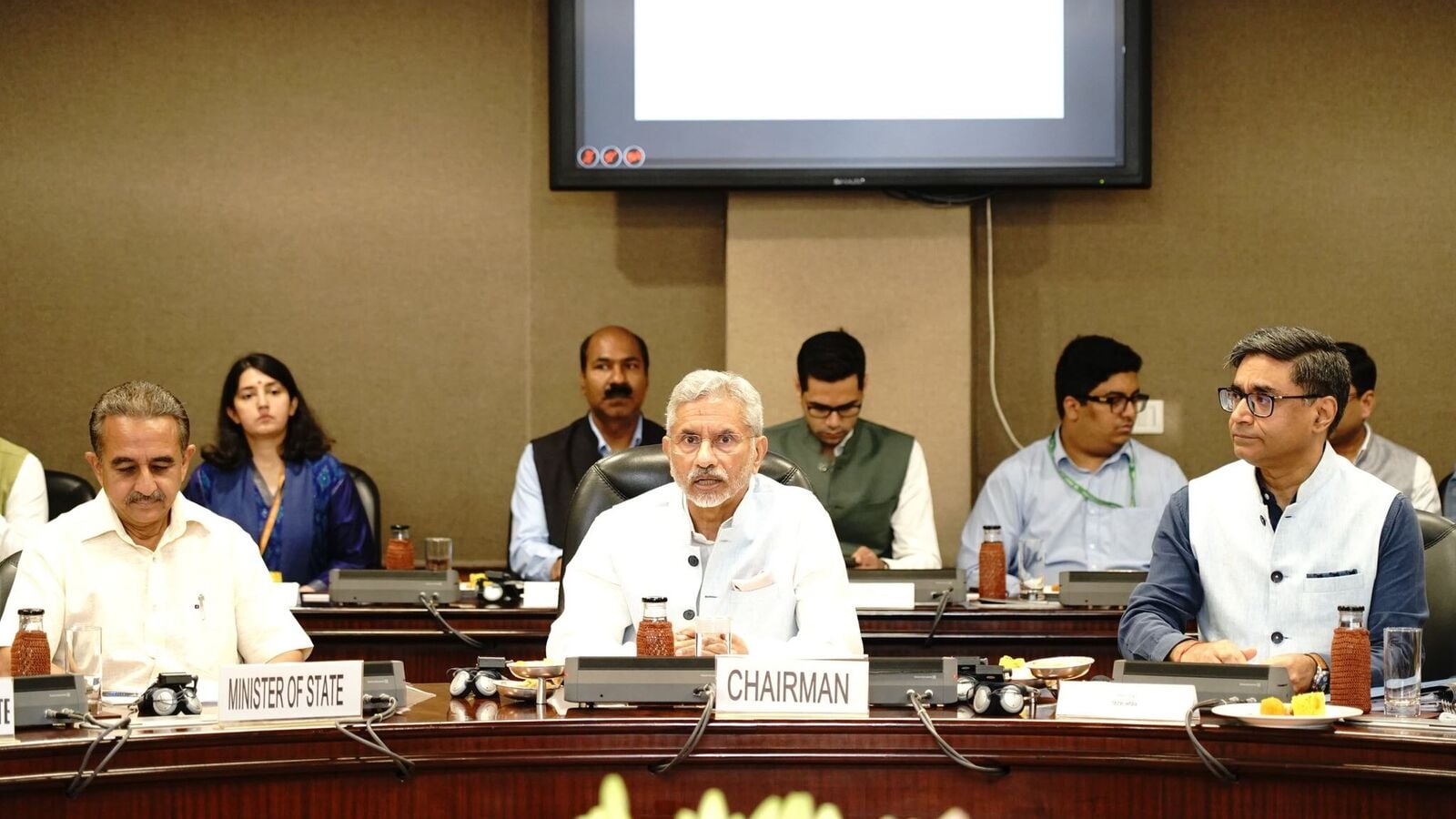
External Affairs Minister S. Jaishankar chaired a significant meeting of the Consultative Committee of the Ministry of External Affairs (MEA) on May 26, focusing on the ongoing India-Pakistan tensions. According to reports, the meeting revealed that recent strikes on three major terrorist training camps within Pakistan have significantly impacted the morale of the country’s armed forces.
The parliamentary committee was informed that India’s proactive stance in combating terrorism has garnered support from the international community. “Because we made it a fight against terror, the support came from all countries except for Turkey, Azerbaijan, and China,” sources quoted Jaishankar. This emphasis on the operation being directed against terrorism rather than a conflict with Pakistan itself is central to India’s diplomatic strategy.
The meeting also addressed allegations raised by the Congress party, which claimed that Jaishankar had prematurely informed Pakistan about the strikes. In response, the government clarified that there was “absolutely no conversation between India and Pakistan” aside from communication at the Director General of Military Operations (DGMO) level, which occurred only after the strikes. “The sequence of events was clear: the terror hubs were targeted, the Press Information Bureau (PIB) issued a statement, and then the Indian DGMO contacted his Pakistani counterpart,” the government stated. Jaishankar labeled the Congress’s accusations as “dishonest and a misrepresentation of events.”
Further discussions included the status of the Indus Water Treaty, which the government confirmed remains in abeyance. Additionally, the panel addressed former U.S. President Donald Trump’s recent assertions regarding his role in brokering peace between India and Pakistan. The government acknowledged that while the U.S. and other nations have encouraged dialogue, they firmly stated that “terror and talks will not go together.”
The Congress party raised concerns about what they termed an increasingly troubling “hyphenation” of India-Pakistan relations and questioned the government’s inability to clarify this development. They also brought attention to the International Monetary Fund (IMF) loan granted to Pakistan, expressing discontent regarding India’s abstention from participating in discussions related to it. Moreover, Congress sources highlighted the deepening military and strategic ties between Pakistan and China as a growing concern in the context of regional security.
As the committee concluded, the urgency of addressing these multidimensional issues became evident, highlighting not just the complexities of India-Pakistan relations but also the broader geopolitical implications involving regional players and global support dynamics.
The ongoing discussions reflect the multifaceted challenges facing the Indian government as it navigates a path through delicate international relations and regional conflicts, underscoring the critical need for strategic diplomacy while combating terrorism effectively.
This meeting underscores India’s commitment to maintaining a firm stance against terrorism, while also addressing the ramifications of its actions within the intricate framework of international partnerships and rivalries. As these developments unfold, they will likely shape not only the future of India-Pakistan relations but also the broader security landscape in South Asia.
Original Source: https://www.livemint.com/news/terror-camp-strikes-hit-pakistan-morale-indus-waters-treaty-stays-suspended-takeaways-from-parliamentary-panel-meet-11748252101087.html
Category :
Tags:
Publish Date: 2025-05-26 15:49:00